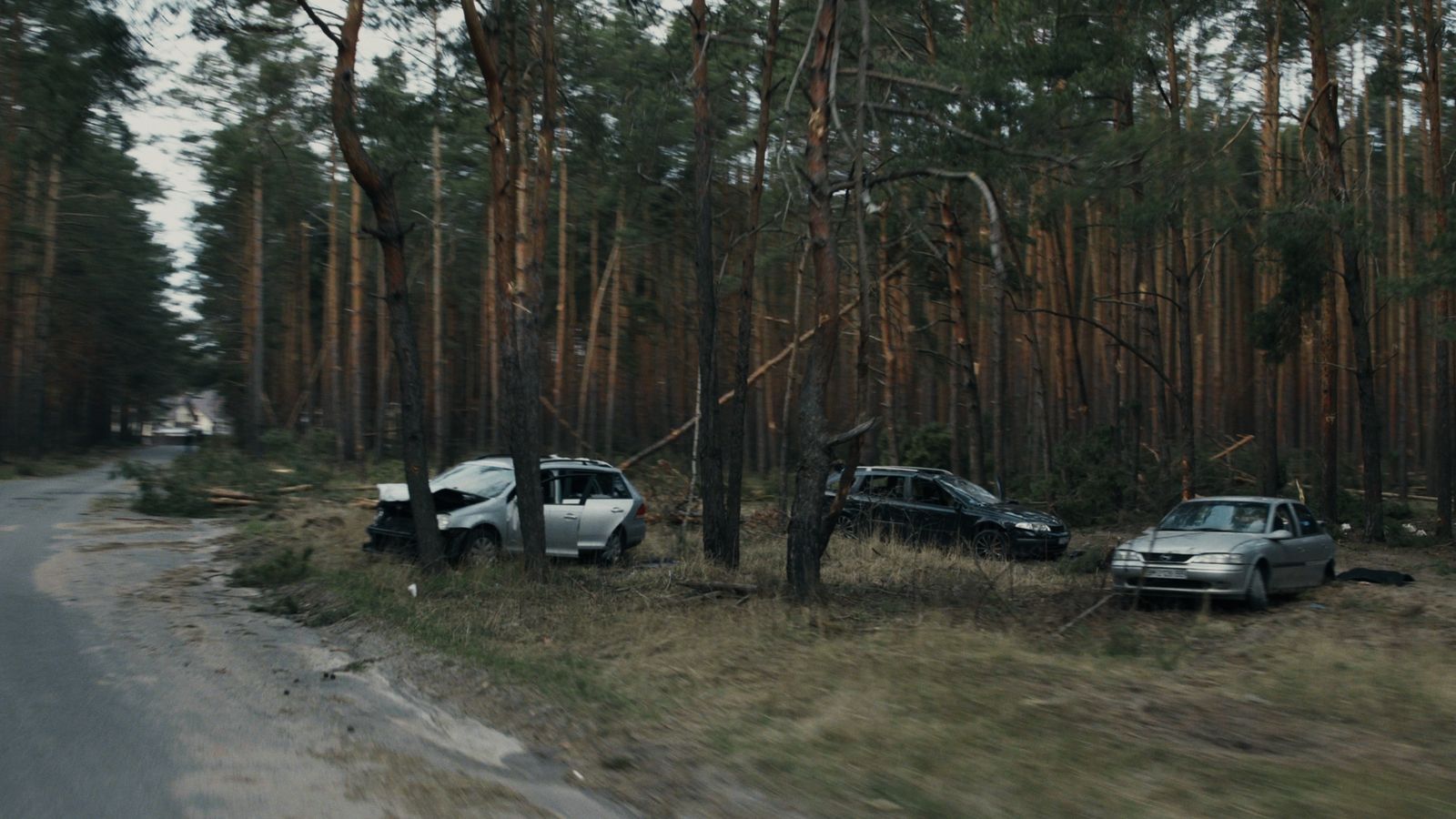
Even a small collision is unsettling. Your heart is racing, traffic is moving around you and there are a dozen things to remember. This checklist is the one we give our own families. Keep it in your glovebox or save it on your phone.
Make it safe
If anyone is hurt, call 911 before anything else. If the cars can be driven and nobody is injured, move them out of traffic to a parking lot or the shoulder and turn on your hazard lights.
North Carolina law asks you to stop, and to call the police when someone is injured or the damage looks to be over $1,000, which today is most collisions. A police report also makes the insurance claim faster.
Take photos before the cars move again
Photograph both cars from all four corners, the damage up close, the other plates, the road and any skid marks or debris. Take more photos than you think you need; they cost nothing and they settle arguments later.
Photograph the other driver’s licence and insurance card too, with their permission. It is quicker than writing and you will not mix up a policy number.
Say little, write down a lot
Be polite, but do not discuss who was at fault. Write down names, phone numbers, the time and location, and the names of any witnesses who stopped. If a police officer comes, ask for the report number.
Then make one call
Report the accident to your insurer, or call us and we will help you open the claim. If the car is not safe to drive, we arrange a tow to our shop so you do not have to choose a tow yard at the roadside.
You do not need to collect three estimates or decide anything today. Go home, rest and let us take it from there.
Over the next day or two, keep any receipts for towing, rides or medication, and write down anything you remember about the accident while it is fresh. Small details, like which lane each car was in, can matter when the insurers compare notes.