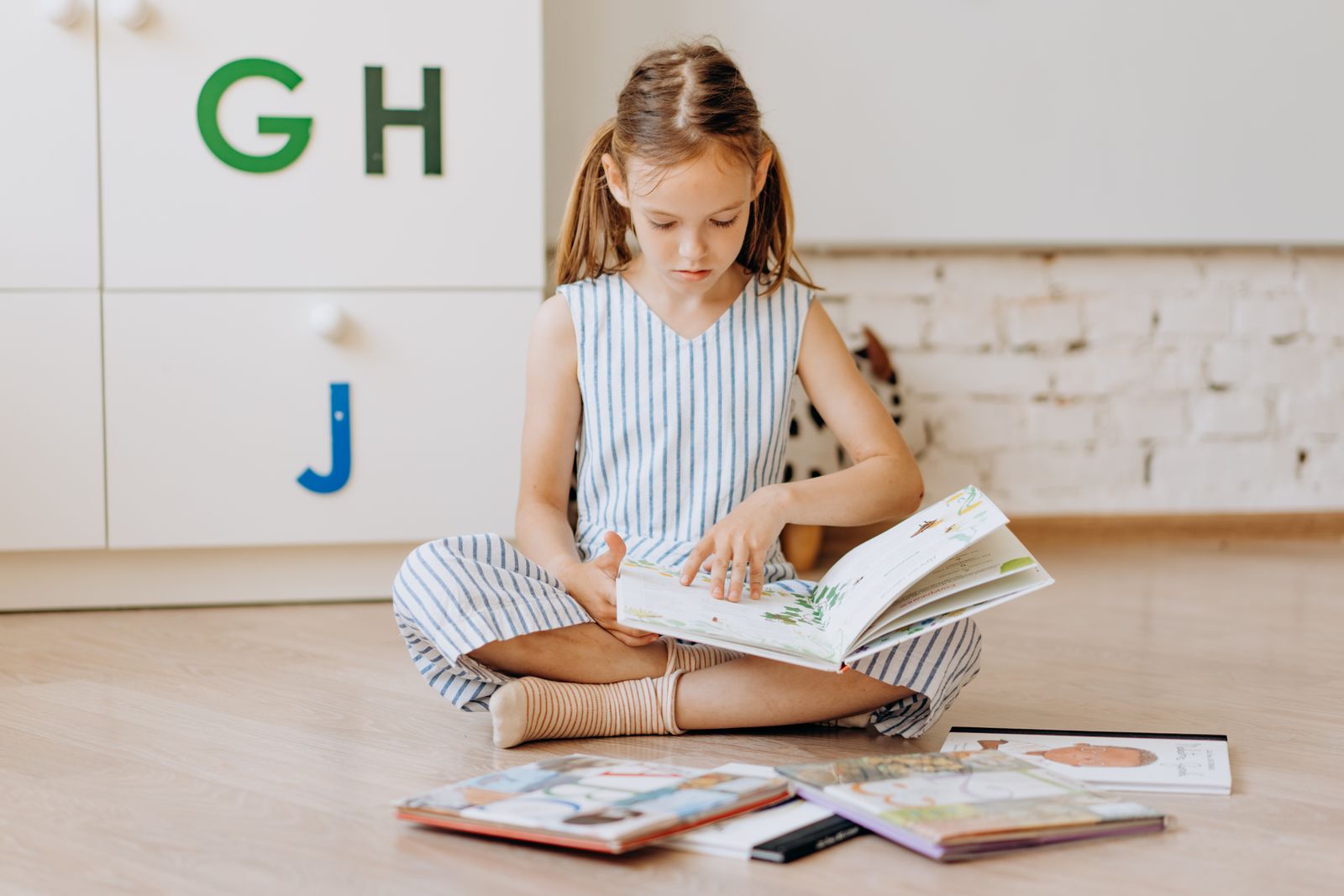
Every week a parent asks Priya, who runs our kids corner, the same question: my child can read a little on their own, so what comes next? The answer is rarely a single book. It is a gentle ladder of books that each ask a little more.
Look for the bridge books
Between picture books and chapter books sits a group of early readers: short chapters, large print, plenty of white space and a picture on most pages. They let a child finish a whole book alone, and that feeling matters more than the reading level printed on the back.
Follow the interest, not the age
A seven-year-old who loves trucks will push through a harder book about trucks than an easy one about anything else. Ask what they talk about at dinner and start there.
Nonfiction counts as much as stories. Books about animals, space or how things work draw in many children who are less excited by made-up adventures.
Series help too. Once a child knows the characters, each new book feels easier, and they ask for the next one themselves.
Keep reading aloud
Children who read alone still benefit from being read to. A chapter book read aloud at bedtime can be a step or two above what they manage on their own, which builds vocabulary and gives them something to look forward to.
Take turns: you read a page, they read a page. It keeps the story moving when they get tired.
And let them stop a book that is not working. Abandoning a story is a reader’s right, and it keeps reading from feeling like homework.
Come and browse with us
Our early reader shelves are sorted by how much a child is reading alone, not by age, with handwritten notes on what each book asks of a reader. Bring your child on a Saturday after story time and let them choose. A book they picked is a book they will try.