For our first fifteen years, every family who came to Kindred Table left with the same box: two cans of beans, a bag of rice, pasta, peanut butter and whatever produce we had that week. It was fast and it was fair, and a lot of it went in the trash.
What we noticed
Volunteers started finding unopened cans of beans left on the bench outside. A grandmother told us she could not eat peanut butter. A young dad said his kids would never touch canned spinach, but they would eat every apple we gave him.
We did not need more food. We needed the right food in the right kitchen.
How the choice pantry works
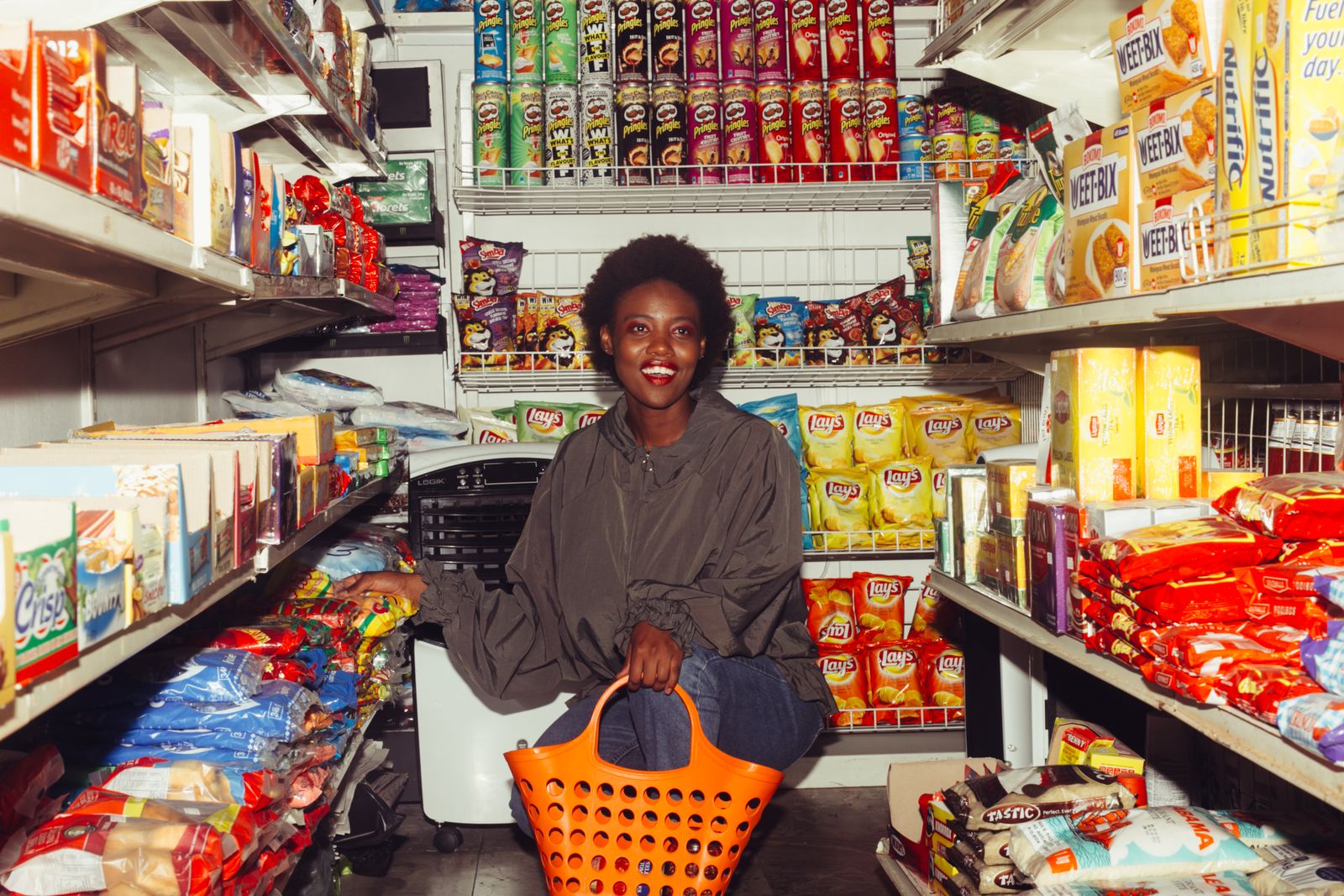
In 2019 we turned the front of the warehouse into a small store. Shelves are grouped like a grocery: produce, protein, dairy, grains, canned goods and household items. Each family gets a cart and a simple guide that says how many items from each shelf they can take, based on household size.
A volunteer host walks with first-time visitors, but nobody watches over your cart. You pick what your family will eat.
What changed
The first thing that changed was waste. We used to throw out about one box in ten from the bench and the parking lot. Now it is close to none.
The second thing was the mood. People chat in the aisles, swap recipes and tell us what they would like to see on the shelves. Our pantry coordinator keeps a request list, and we buy to it when we can.
What it costs us
A choice pantry needs more volunteers than a box line: about twelve per shift instead of six. That is why we always need pantry hosts on Tuesdays, Thursdays and Saturdays. If you have a free morning, it is one of the most rewarding shifts we offer.