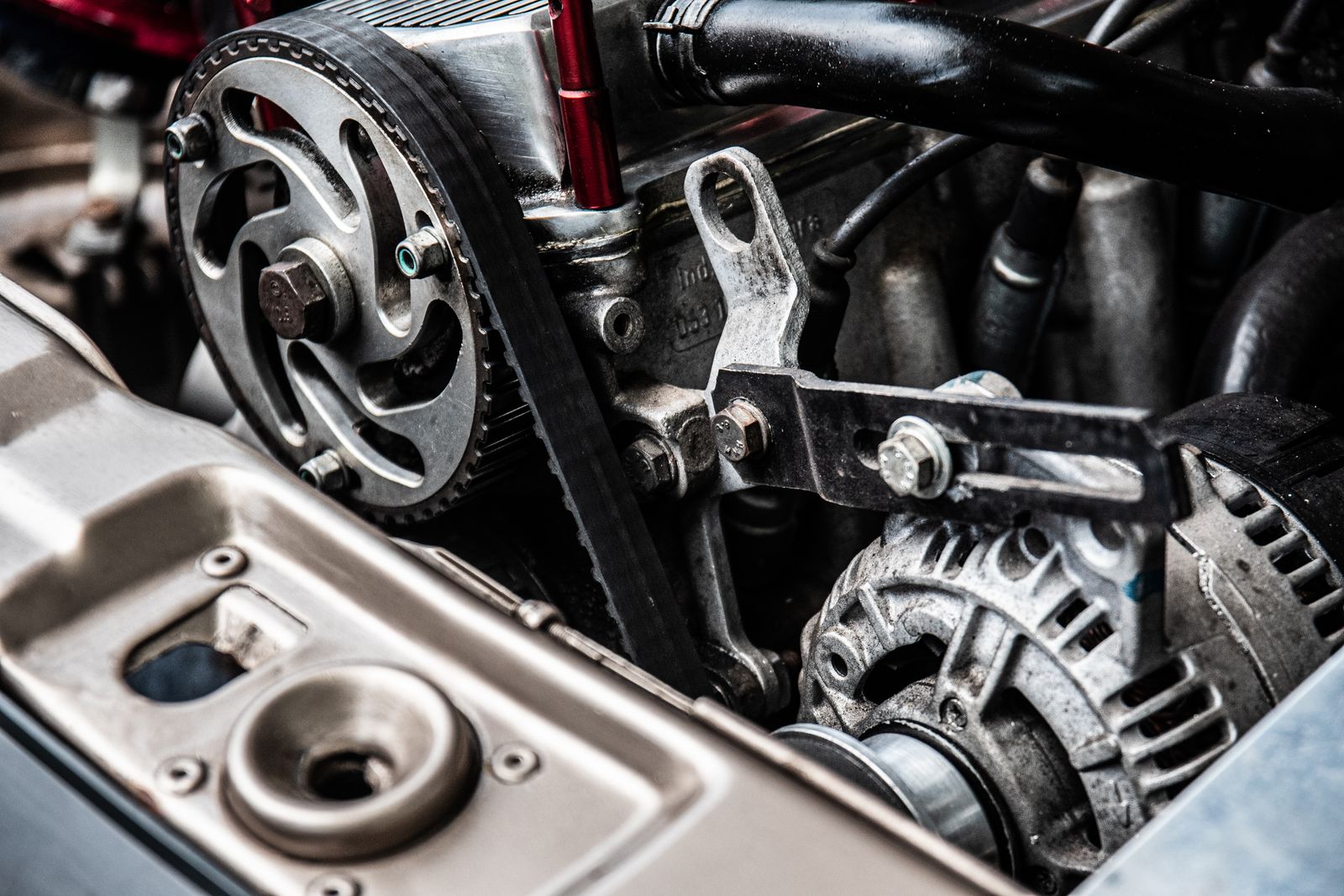
The battery starts the car and the alternator keeps it running and recharges the battery. When one fails, the other often gets blamed, and plenty of drivers have bought a new battery only to be stranded again a week later.
Clues that point to the battery
The car cranks slowly or just clicks, but once it starts with a jump it runs normally for days. The battery is more than three years old. The problem is worst after the car has sat for a while. These all suggest a battery that can no longer hold a charge.
Clues that point to the alternator
The battery light comes on while you drive. Headlights dim at idle and brighten when you rev the engine. The car starts after a jump but dies again within minutes, or electrical items start acting strangely on the drive home. A whining noise from the front of the engine or a burning smell can also come from a failing alternator or its belt.
The causes people forget
Sometimes neither part is bad. A corroded terminal, a loose main ground strap or a stretched belt can stop the charge from reaching the battery. A parasitic drain, something that stays on after the car is locked, can flatten a good battery overnight.
These faults are cheap to fix and easy to miss, which is why we check cables and grounds before we condemn an expensive part.
How we settle it
Our free test measures the battery at rest and under load, then measures the alternator output with the engine running and the lights and fans on. A healthy charging system shows about 13.9 to 14.5 volts. You get the readings, and a price only for the part that actually failed.