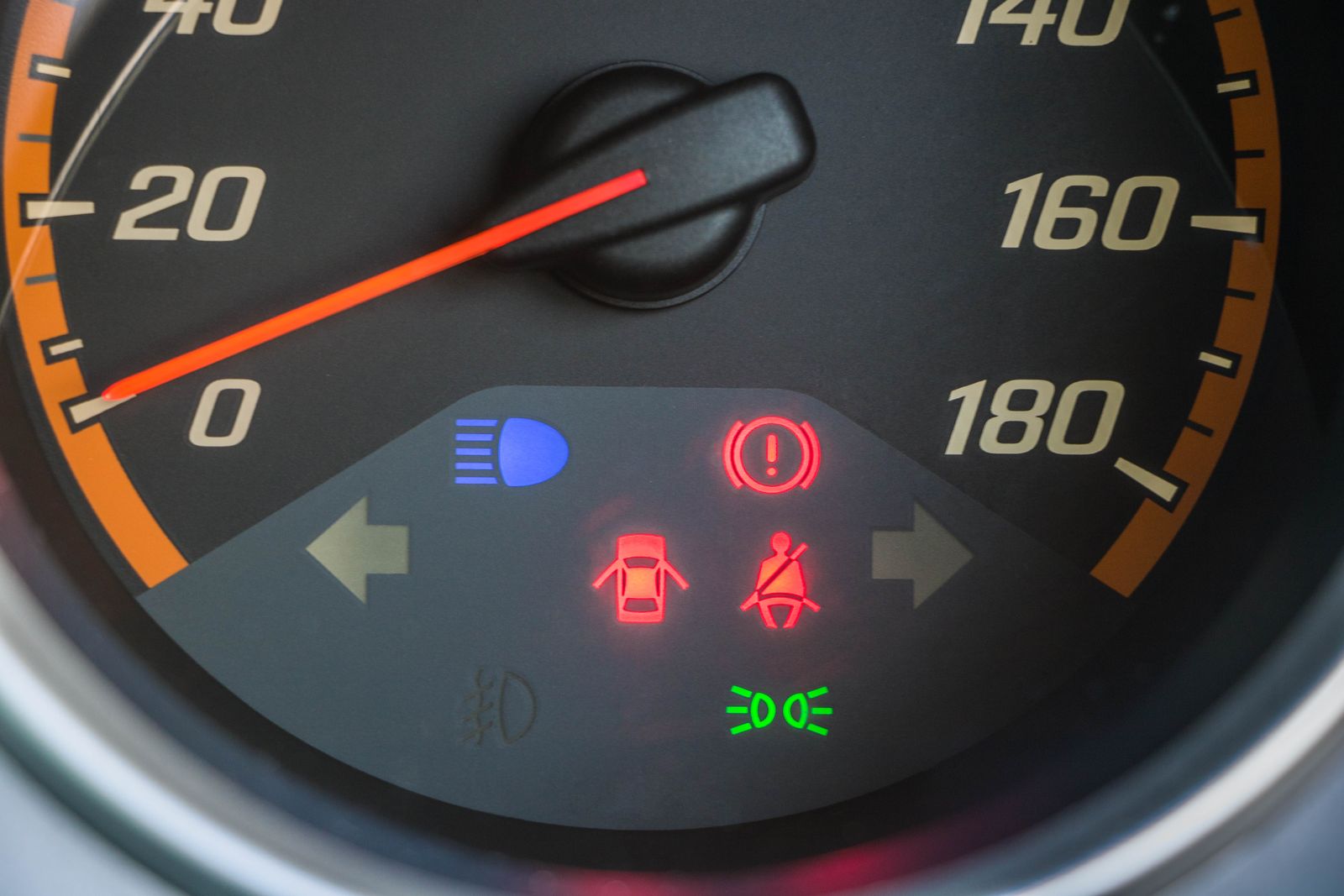
Modern cars have dozens of computers, and when the battery is disconnected they all lose power at once. Most cope without a problem. Some forget what they learned, and a few store fault codes on the way back up, which is why a battery change can be followed by a check engine light.
Relearning after power loss
The engine computer adapts the idle speed and fuel mixture to your engine over time. After a battery change it may start from the factory settings, so the idle can be a little rough or uneven for the first few drives. Usually this settles by itself within twenty to fifty miles.
Power windows, sunroofs and some steering angle sensors also need a simple reset. On many cars you hold the window switch up for a few seconds after it closes. Your owner’s manual lists the steps.
Codes stored during the change
A voltage dip as the battery is removed can make several modules record low-voltage codes. Some clear on their own, while others keep the warning light on until they are erased with a scan tool.
Why a memory saver helps
When we change a battery we connect a memory saver first, which keeps the car’s computers powered while the old battery is out. It saves radio presets, learned settings and most resets, and on many newer cars it is the difference between a quick job and a long one.
When it is not the battery change
If the light stays on after a few days of driving, or the car runs badly, the battery change may have only revealed an existing fault. Our diagnostic scans every module and tests what the codes point to, and it costs $109, credited if we do the repair.