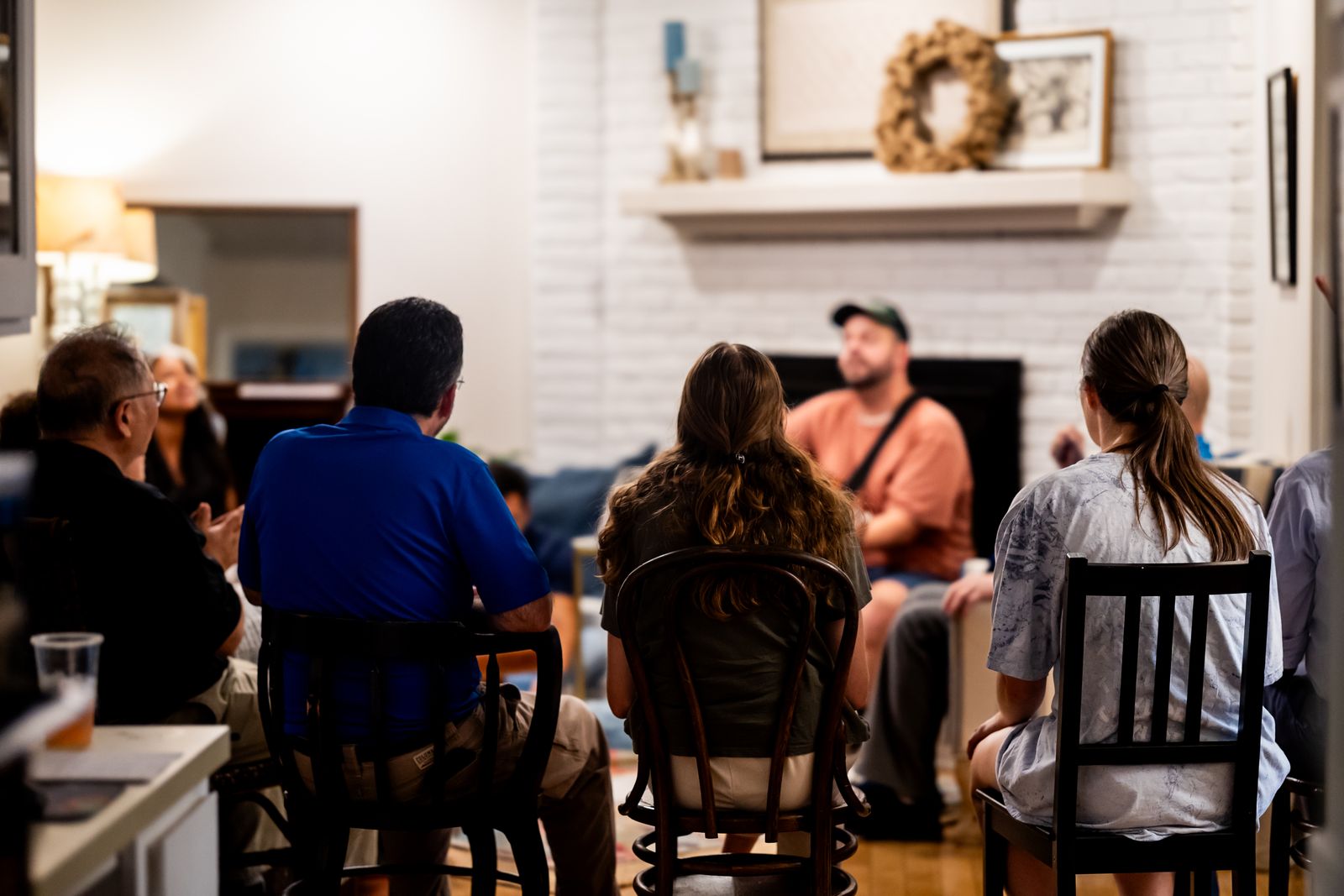
Every month the Maple Room hosts three or four block club meetings, and the office sees which ones fill up again the next month. The good ones have little to do with how big the problem is. They have a lot to do with how the hour is run.
Start with an agenda that fits on a postcard
Three items is plenty. Put them on the flyer and the group chat a week ahead so people know why they are coming. If someone wants to add a topic on the night, write it on a sheet called next time and keep going.
Name a chair and a note-taker before the meeting, not during it. The chair keeps time; the note-taker writes down decisions and who agreed to do what, not every word that was said.
Promise an end time and keep it
Most people will give an hour on a weeknight. They will not give an hour that turns into two. Say when you will finish, and finish then, even if the last item moves to next month.
A good rhythm is ten minutes of welcome and news, forty minutes on the agenda and ten minutes to agree the next steps and the next date.
Leave with one decision
People come back when something happened because they came. It does not need to be big: a date for a clean-up, a letter to the city about a broken street light, a volunteer to ask the landlord about the alley gate.
Read the decisions out loud before people leave, then send the notes within a week. A short summary on the lobby noticeboard helps neighbours who could not make it.
Use the room you already have
Block clubs and neighbourhood groups that are members of the association can book the Maple Room free once a month for meetings. Ask the office for the projector, the coffee urn or the large-print sign-in sheet, and we set them out before you arrive.