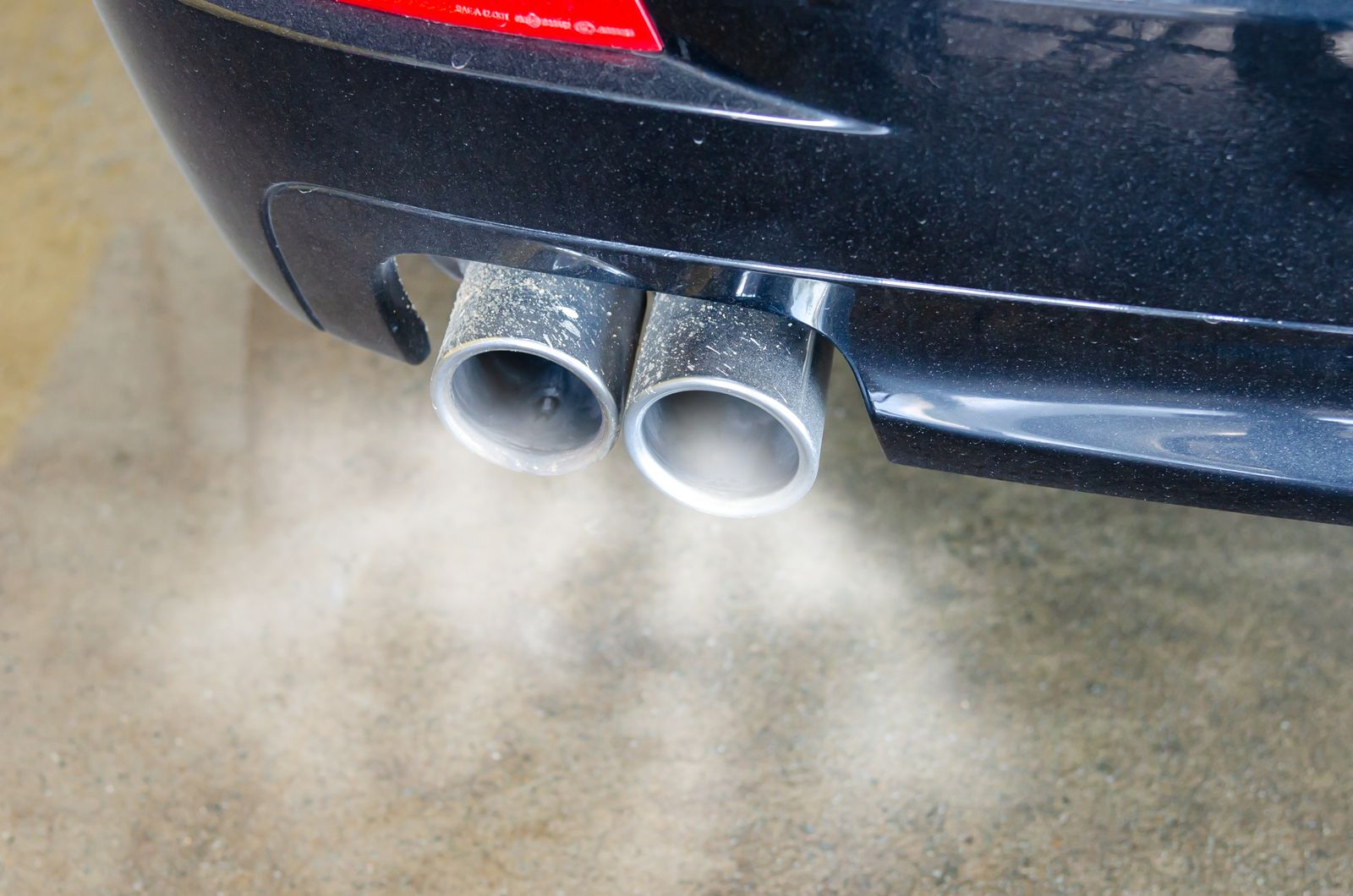
A diesel particulate filter catches the soot your engine makes and burns it off as it goes. When a truck needs a parked regeneration every few days, the filter is rarely the real problem. Something upstream is making too much soot, or the truck never gets hot enough to clean itself.
Soot and ash are not the same thing
Soot is unburned carbon. At highway load the exhaust gets hot enough to burn it off on its own, which is called a passive regen. When soot builds faster than that, the engine raises exhaust temperature on purpose: an active regen.
Ash is what is left of the oil additives that reach the cylinders. It does not burn. It slowly fills the filter until the only fix is to take the DPF off and clean it in a kiln and air station, usually every few hundred thousand miles, sooner on trucks that burn oil.
The usual causes we find
Long idling and short runs are the most common. A box truck that spends its day at 20 mph between stops never gets the exhaust hot enough, so soot piles up and active regens get interrupted every time the driver shuts down.
Next come engine faults: a leaking injector, a weak turbo, a cracked EGR cooler or a stuck EGR valve. Each one adds soot, and the cooler leak also sends coolant into the exhaust, which glazes the filter.
Finally, sensors. A differential pressure sensor with a cracked hose can report a full filter that is actually clean.
What a forced regen fixes
A parked or forced regeneration burns out the soot that is there today. It is the right move after a run of short trips. It does nothing for ash, for a glazed face or for the fault that made the soot in the first place, and repeated forced regens on an oil-soaked filter can crack it.
What we do before cleaning anything
We read the regen history, check soot and ash load, test the pressure sensor and hoses, and look at injector balance and EGR flow. Then you get a written plan: a regen, a clean, a repair upstream, or a change in how the truck is used. Our forced regen is $195 and includes those checks.