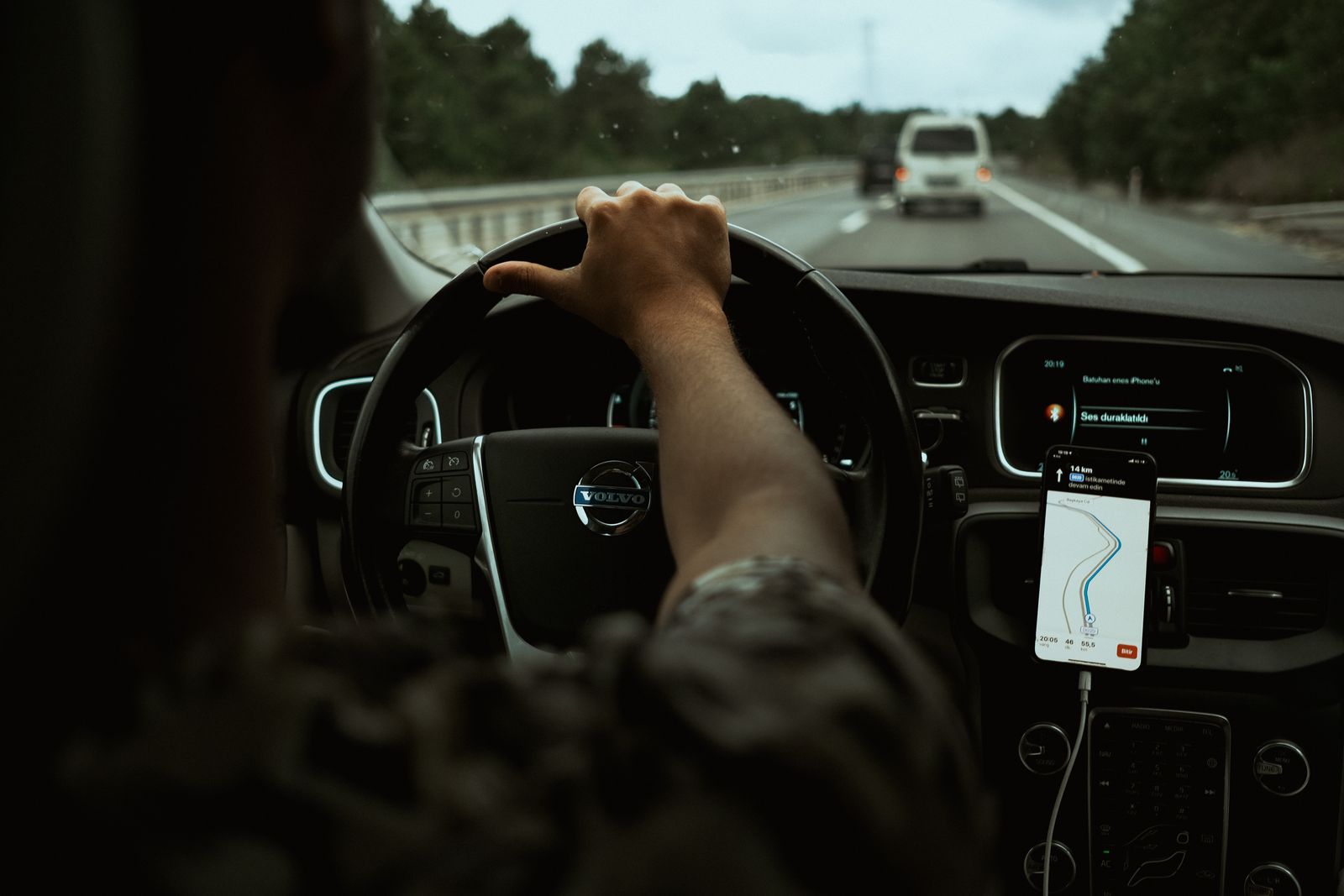
Most cars built in the last few years have a camera mounted behind the rear-view mirror. It reads lane markings, spots cars and pedestrians ahead and feeds systems such as lane-keeping assist, automatic emergency braking and adaptive cruise control. That camera looks through your windshield, so when the glass changes, the camera has to be aimed again.
What goes wrong without it
A new windshield sits a fraction of a millimetre differently from the old one, and the bracket that holds the camera moves with it. One degree of error sounds small, but it shifts where the camera thinks the lane is by several feet at highway distances.
The result can be a lane-keeping system that nudges you towards the line, or a braking system that reacts late. Many cars give no warning light at all, so you cannot tell from the dashboard.
Static and dynamic calibration
A static calibration happens in the shop. We park the car on a level floor, set printed targets at exact distances that the carmaker specifies, and let the camera aim itself at them using a scan tool.
A dynamic calibration happens on the road. The technician drives at set speeds on well-marked roads while the camera learns the lane lines. Some cars need one method, some need both.
How long it takes
Most calibrations take forty-five minutes to an hour. If your car needs a static calibration, we do it at our Kietzke Lane shop after a mobile replacement or as part of an in-shop visit. You get a printed report showing the pre-scan, the calibration result and the post-scan.
Will insurance pay for it?
When the windshield replacement is covered, the calibration is usually covered as part of the same claim, because the carmaker requires it. We include it on the claim and confirm with your insurer before we start.