Oklahoma weather can swing from shorts to frost in a week, and the first night the heat kicks on is when we hear about furnaces that sat quiet all summer. A few checks in October make that night far less dramatic.
Test the carbon monoxide alarms first
Before anything else, press the test button on every carbon monoxide alarm in the house and replace batteries that are more than a year old. A gas furnace that is working properly vents its exhaust safely outside, and the alarm is your backup if something has changed, such as a cracked heat exchanger or a blocked flue.
If an alarm ever sounds, get everyone outside, then call 911 or your gas utility from there.
Run the heat for fifteen minutes
Set the thermostat a few degrees above the room temperature and listen. You should hear the inducer fan, then the click of the igniter, then the burners lighting with a soft whoosh. A smell of burning dust is normal for the first few minutes as the summer dust burns off the heat exchanger.
A loud bang when the burners light, a rumble after they shut off, or a smell that lasts more than half an hour are reasons to book a check.
Look at the flame and the filter
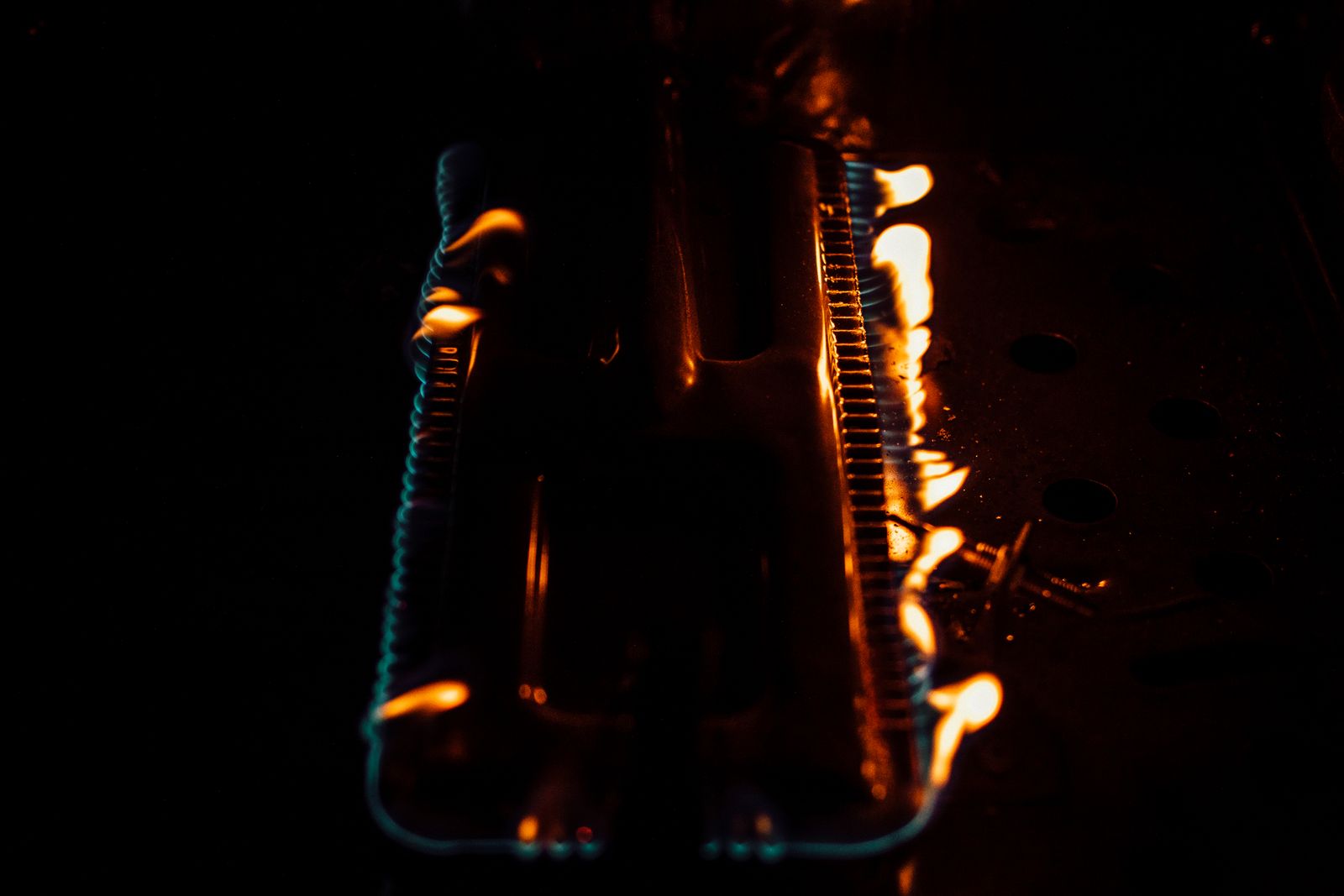
If your furnace has a viewing window, the burner flames should be mostly blue and steady. Flames that are lazy and yellow, or that dance when the blower starts, can mean poor combustion and should be looked at.
Fit a fresh filter at the same time. A blocked filter makes the heat exchanger run hotter, and a safety switch may shut the furnace down mid-cycle.
What our tune-up adds
Our $119 furnace tune-up includes a flame sensor clean, gas pressure and temperature rise readings, a heat exchanger inspection with a camera, a flue and venting check and a carbon monoxide test at the furnace. Comfort Club members get it as part of their plan.