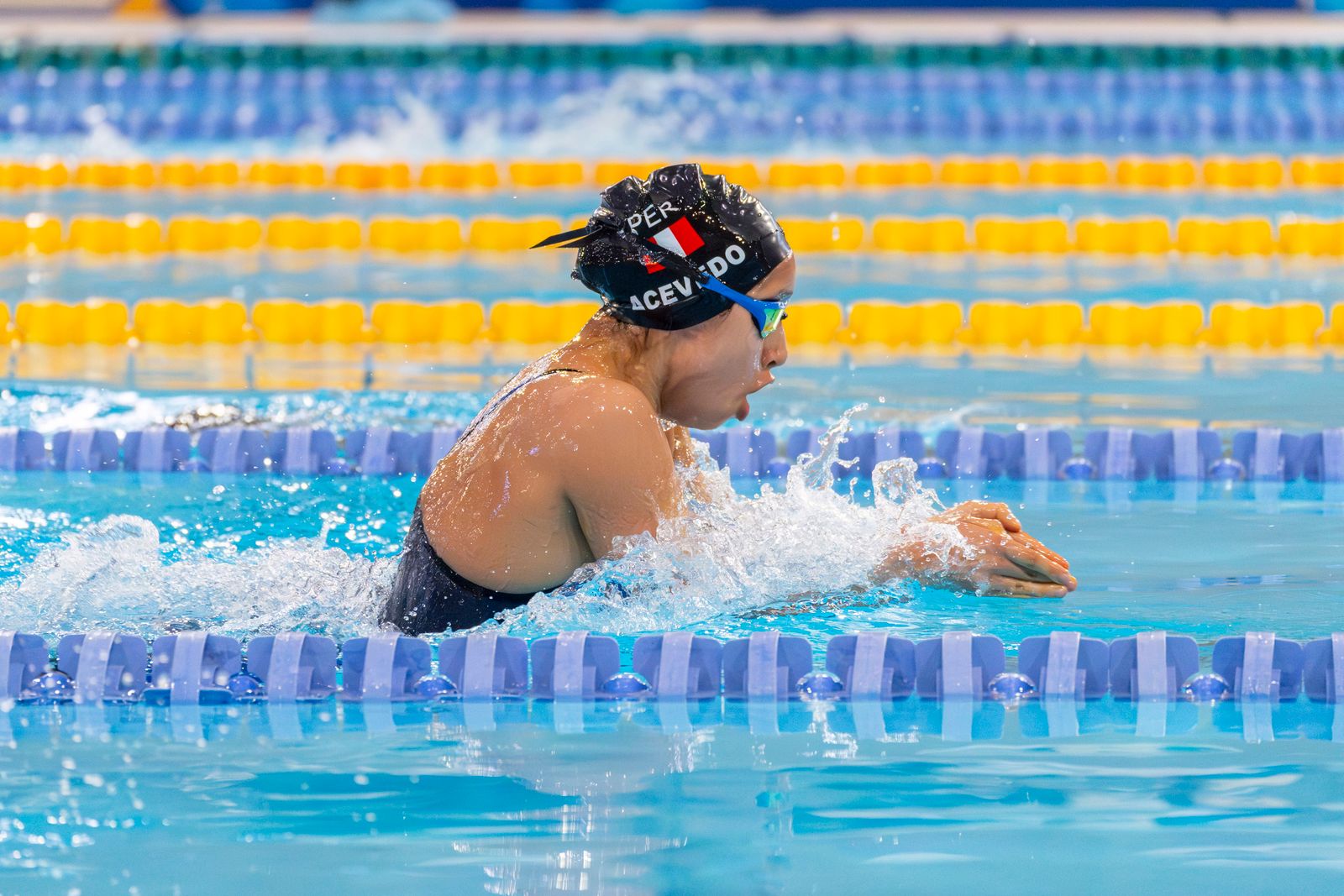
Ask any group of new lap swimmers what stops them after one or two lengths, and the answer is almost always breathing. The arms and legs can be fine; the breathing is what runs out first.
Breathe out under water
The most common habit is holding the breath with the face down, then trying to breathe out and in during the short moment the mouth is clear. There is no time for both. Breathe out steadily through the nose and mouth while your face is in the water, so the turn to breathe is only an inhale.
Turn, do not lift
Lifting the head forward to breathe makes the hips sink and the stroke stall. Instead, roll the head with the body until one goggle stays in the water and the mouth finds the pocket of air beside the bow wave. Think of looking at the side wall, not the ceiling.
A simple drill is to kick on your side with one arm forward, rolling to breathe every six kicks. It feels slow, and it works.
Find a rhythm
Breathing every two strokes suits many beginners. Breathing every three strokes, on alternate sides, helps the stroke stay balanced. Pick one pattern for a whole length rather than breathing whenever you panic.
If you feel short of air, slow the arms down rather than breathing more often. A relaxed stroke uses far less oxygen than a fast one.
Come to a clinic
Our stroke clinics are small, focused sessions with one certified swim instructor and up to six swimmers. On Thursday evenings we work on adult freestyle and backstroke; on Sundays the clinic moves on to butterfly and turns. Sessions are $28 each, no membership needed.