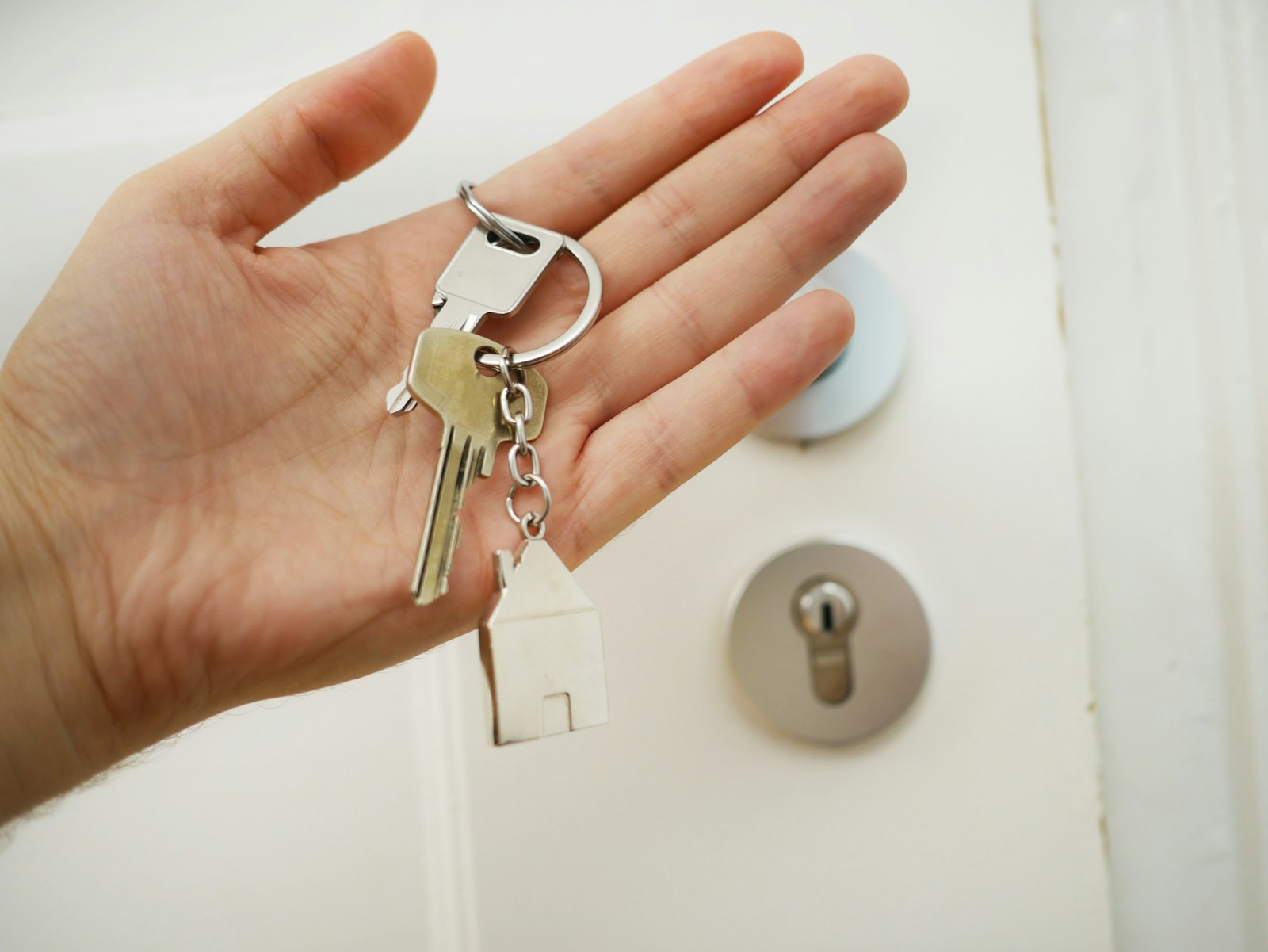
When you buy or rent a home, you inherit every key that was ever cut for it: the previous owners, their dog walker, a contractor from three summers ago. The first job on the moving-in list should be the locks.
What rekeying does
Inside every pin tumbler lock is a row of small pins cut to match one key. Rekeying means taking the cylinder apart and replacing those pins with a new set, so the old keys stop working and new ones do.
The lock body, the handle and the finish on your door stay exactly as they are. It is quick, it is tidy, and it costs much less than new hardware.
When replacing is better
Replace a lock when it is worn, sticky or damaged, when you want a stronger deadbolt, or when you are switching to a smart lock. Very cheap builder-grade locks are often worth replacing too: their pins wear quickly and they are easy to force.
If you like your locks but want one key for every door, we can rekey them all to match, as long as they share the same keyway. Most homes have two or three brands mixed together, and we tell you on the spot which can be matched.
Check the rest of the door
A good lock in a weak door does not help much. Look at the strike plate on the frame: if it is held by short screws, three-inch screws into the stud make a big difference. Check the hinges on outward-opening doors, and the garage entry door, which is often the weakest door in the house.
What it costs with us
Rekeying starts at $65 for the first lock and $18 for each extra cylinder, with two new keys for each. A typical house with a front door, a back door and a garage door is rekeyed in under an hour.
If we find a lock that is worn out, we show you and quote a replacement before we touch it. You can always say no.