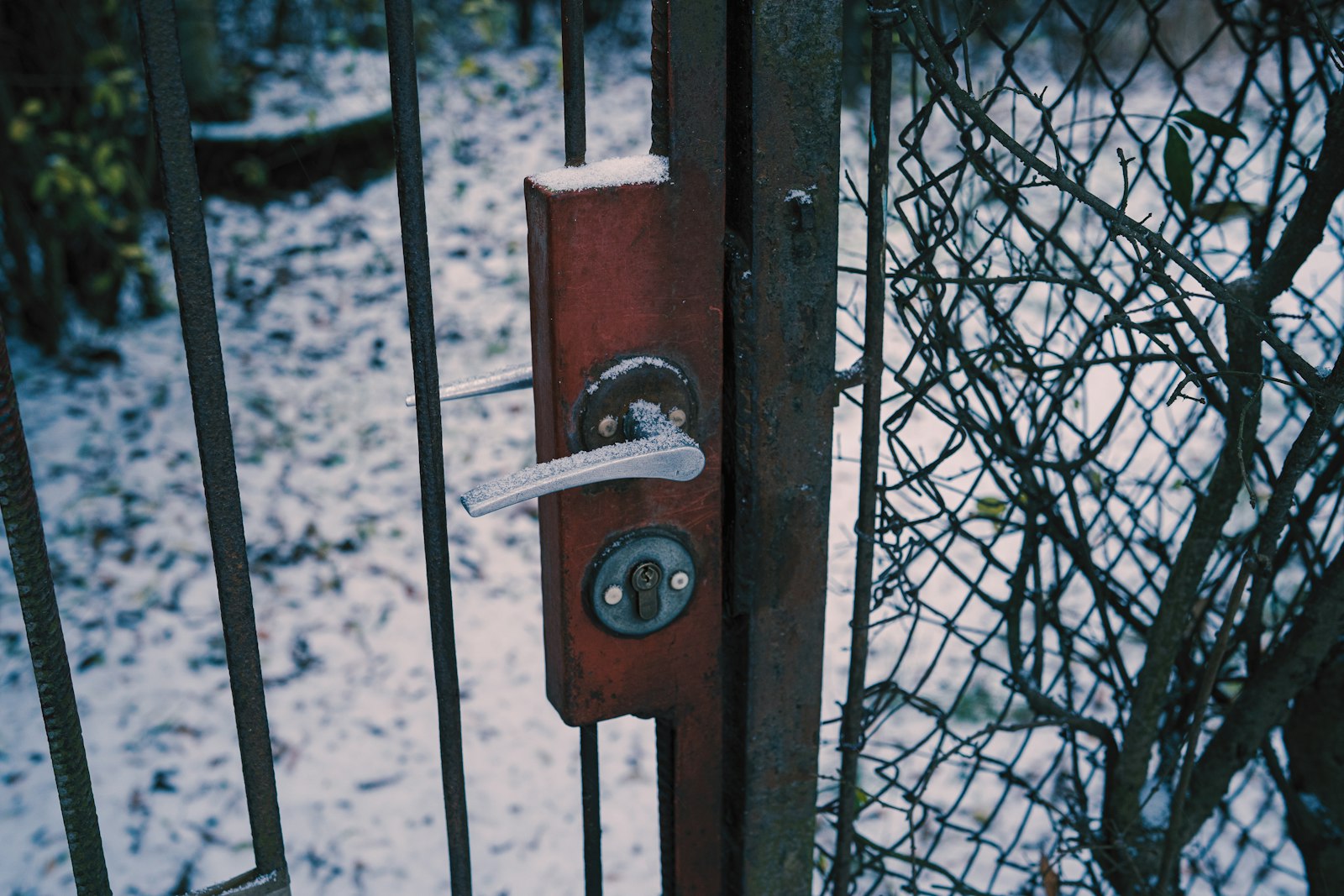
Every cold snap brings us the same calls: a key that will not turn in a front door, a car door that will not open, and too often, half a key stuck inside a frozen lock. Water gets into the cylinder, freezes around the pins and holds them in place.
Do not force it
A key is made of soft brass. If it will not turn, twisting harder is the quickest way to snap it off inside the lock, which turns a five-minute problem into a call-out. Never pour hot water on a lock either: it refreezes, often worse than before.
Warm the key, not your hands
Warm the key with a lighter or in your hands for a few seconds, then insert it gently and wait. Repeat a few times, and the heat melts the ice around the pins.
A hair dryer on a long extension cord works for house doors. A de-icer spray made for locks works well on cars: spray a little into the keyway, wait half a minute and try again.
Stop it happening again
Once the lock works, dry it and add a puff of graphite powder or a dry PTFE lubricant. Avoid oil-based sprays: they collect dust and grit that turn into a paste in the cold.
On house doors, check that water is not running down the door into the lock. A small drip edge above the door or a fresh bead of caulk around the frame often fixes the cause.
If the key does snap
Do not try to dig the broken piece out with a pin or a knife; it pushes the piece deeper and damages the pins. Call us: we extract broken keys with thin hooked tools, cut a new key from the pieces and check the lock, usually in under half an hour.