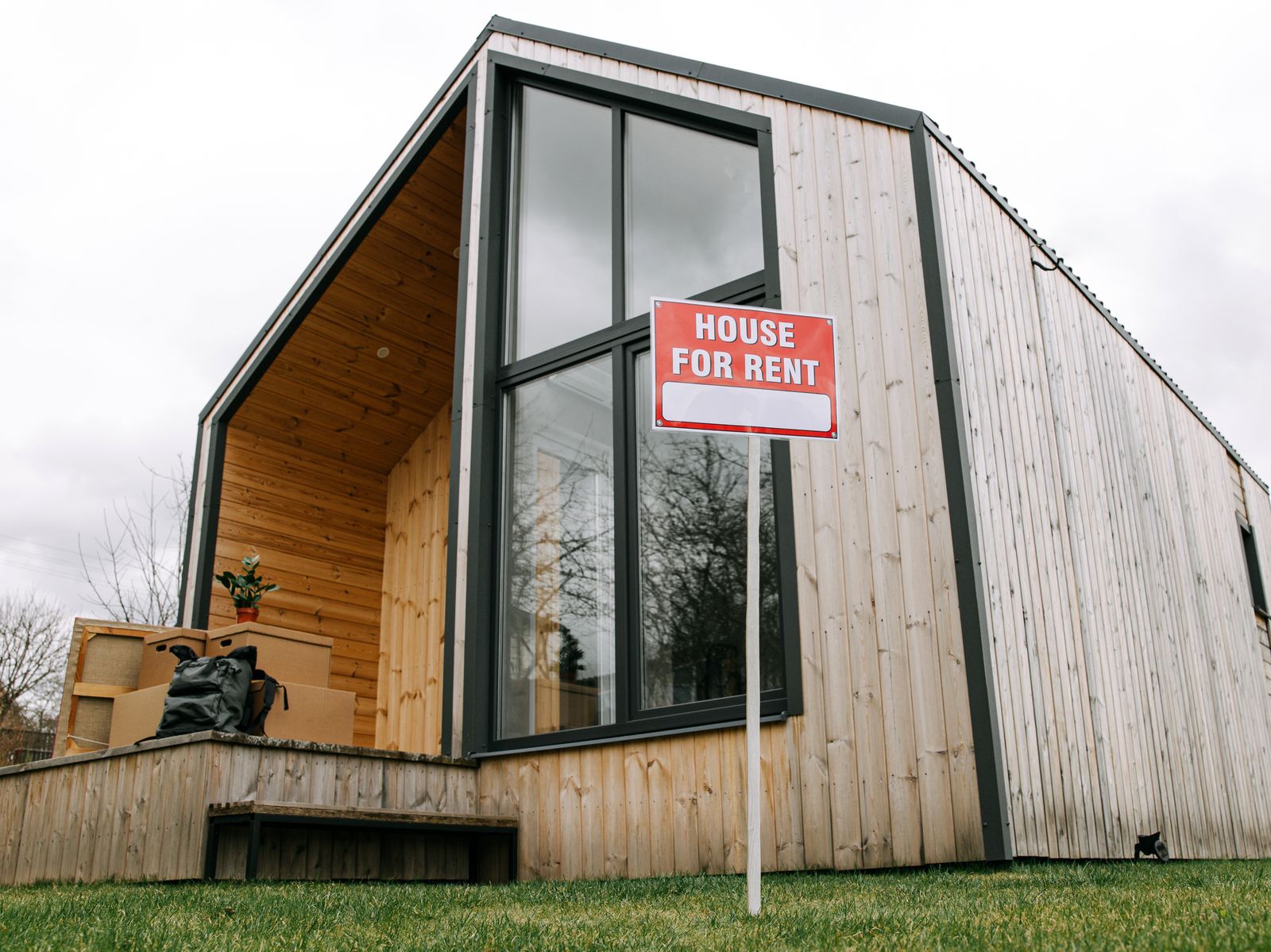
Many of the owners we work with never planned to be landlords. A job moved them to another city, they married and kept one house, or they inherited a home they want to hold on to. If that is you, this is the list we go through at our first meeting.
Insurance and the mortgage
Tell your insurer the home will be rented. A homeowner policy usually does not cover a rented home; you need a landlord or dwelling policy instead. Check your mortgage terms as well, since some loans require you to live in the home for a set time.
The HOA and the city
If the home is in an association, read the rules on leasing. Some limit the number of rentals or require a minimum lease length, and most want the tenant’s contact details. Check whether your area has any city registration requirements for rental homes as well.
Repairs before photos
Fix what a tenant will notice in the first week: dripping taps, sticking doors, missing blinds, dead bulbs. Fresh neutral paint and a professional clean pay for themselves in a shorter vacancy and a better first impression. Service the A/C and replace the smoke alarm batteries.
Setting the rent
Rent should come from recent leases of similar homes nearby, not from what the mortgage costs. We compare at least five recent leases within a mile and show you the numbers. A home priced right usually leases faster, and an empty month costs more than a slightly lower rent.
The paperwork
Gather the warranties, appliance manuals, paint colours, the alarm code and the HOA contacts in one folder. Decide on pets before you list. Then let us know what you want to approve yourself and what you would rather we handle. We write those choices into the agreement, so nothing is left to memory.