Crabgrass is the wide, pale green weed that sprawls across thin lawns in July. Once it is up, it is hard to get rid of. The better approach is a pre-emergent barrier applied in late winter, before the seeds sprout.
What a pre-emergent does
A pre-emergent forms a thin barrier in the top layer of soil that stops weed seeds from rooting as they germinate. It does nothing to weeds that are already growing, so timing is everything.
Crabgrass seeds start to germinate when the soil reaches about 55 degrees for several days in a row. Around Greensboro that is usually mid-March, earlier in a warm year.
Watch the forsythia
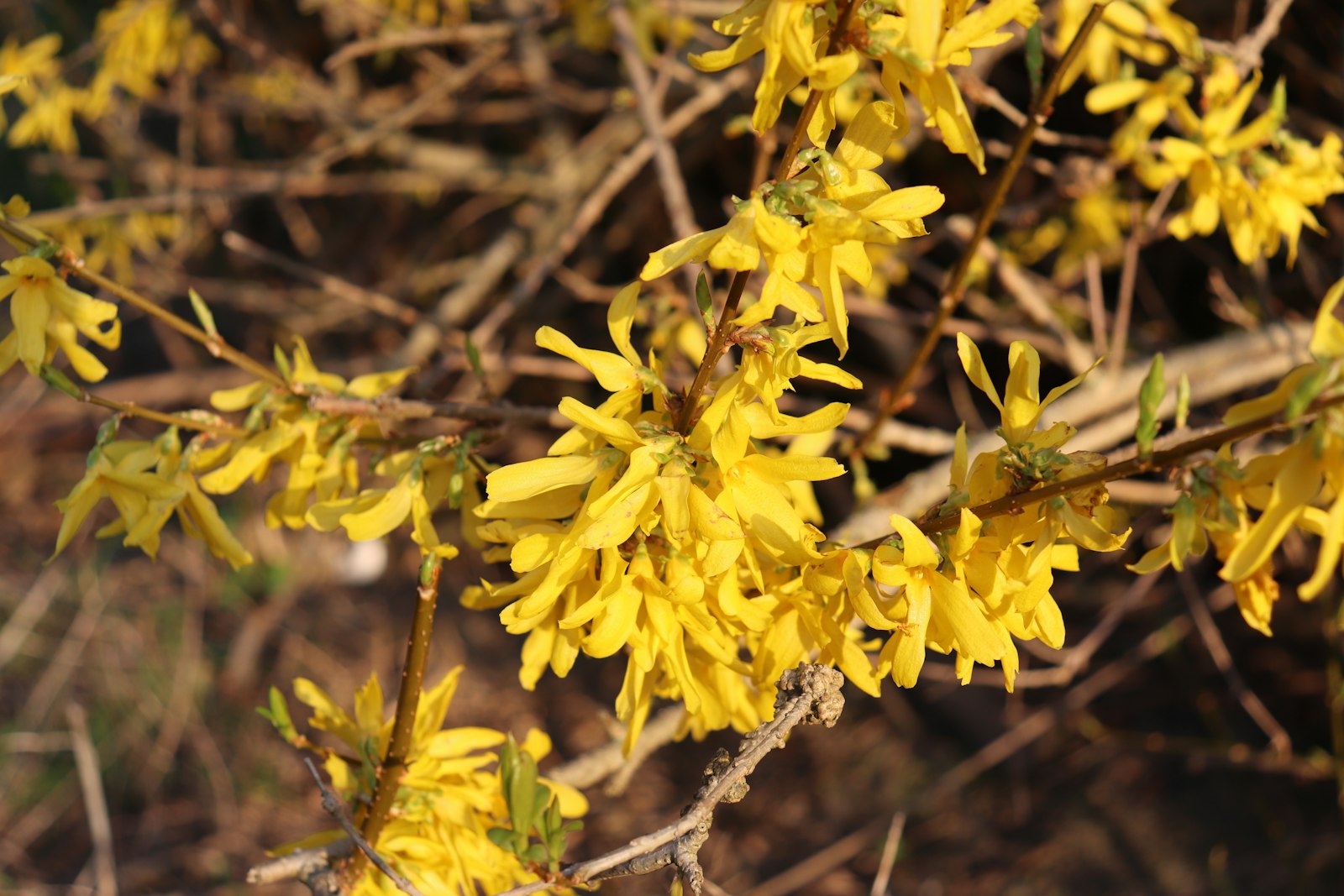
Gardeners have used a simple sign for generations: when the forsythia bushes turn yellow, the soil is warming and it is time to put the pre-emergent down. We apply ours in late February or early March, and a second, lighter application in May extends the barrier into summer.
After it goes down, the barrier needs about half an inch of rain or irrigation within a few days to move into the soil. Once it is in place, avoid raking hard or aerating the treated areas, which breaks the layer and lets seeds through.
The catch with overseeding
Most pre-emergents also stop grass seed from growing. If you plan to seed bare patches in spring, either skip the pre-emergent in those spots or use a product made for seeding, and expect to fight a little more crabgrass that year.
This is one more reason we prefer to overseed fescue in the fall, months after the spring barrier has worn off.
Thick grass is the long-term fix
A dense lawn mowed at three and a half to four inches shades the soil so crabgrass seeds struggle to sprout at all. Pre-emergent buys you time; good mowing height and fall overseeding make the change last.