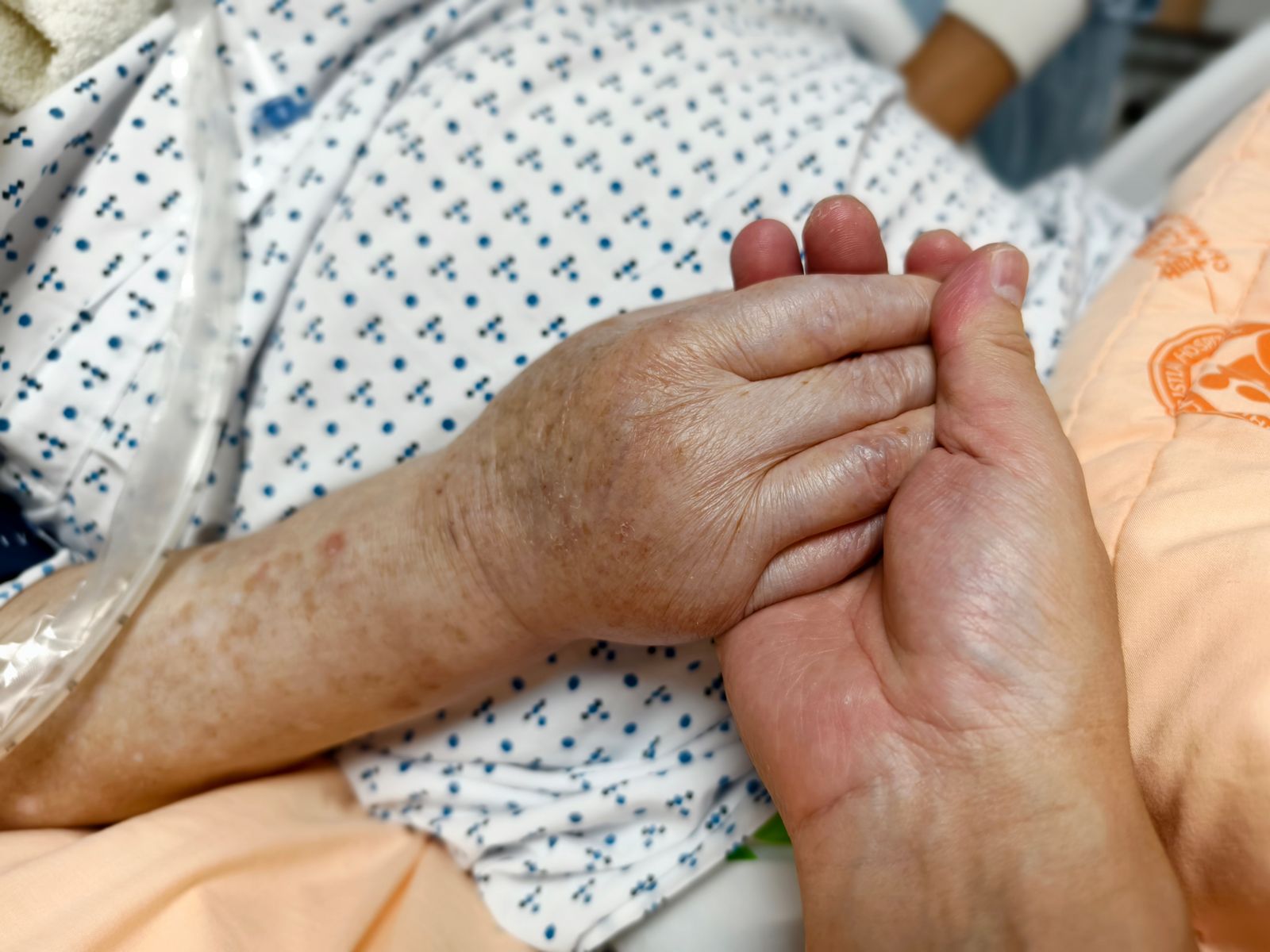
When someone is in hospital or a care home, families sometimes need documents signed quickly: a power of attorney, a health care form or an affidavit. We do bedside signings every week, and these are the questions families ask us most.
The signer must be able to take part
A notary has to be satisfied that the signer knows what they are signing and is signing willingly. At a bedside we talk with the signer directly, without hurrying, before anything is signed.
If the signer is not able to communicate that day, we cannot go ahead, even if the family is ready. We will gladly come back another time. This protects the signer and the document.
Plan around the ward
Call the ward before you book us. Ask about visiting times, whether the patient will be having tests, and whether a quiet room is available. Late morning and early evening are often calmer.
Tell us the room number, the parking and how to find the ward. Hospitals are large, and five minutes of directions saves twenty minutes of searching.
ID and witnesses
The signer still needs a current photo ID. If it is at home, ask someone to bring it before we arrive. Hospital wristbands are not ID.
If the document needs witnesses, check with the hospital whether staff can act as witnesses; many cannot. We can bring two witnesses with us if you ask when you book.
Who prepares the document
We do not prepare legal documents or advise on which form to use. Your attorney prepares the document; we make sure it is signed and notarized properly at the bedside.
Ask the attorney for the final version, printed and complete, before you book us. A draft with changes still to come means a second visit, and at a bedside every visit counts.
On the day, Marcus usually arrives ten minutes early, checks in at the nurses’ station and waits until the family says the signer is ready.