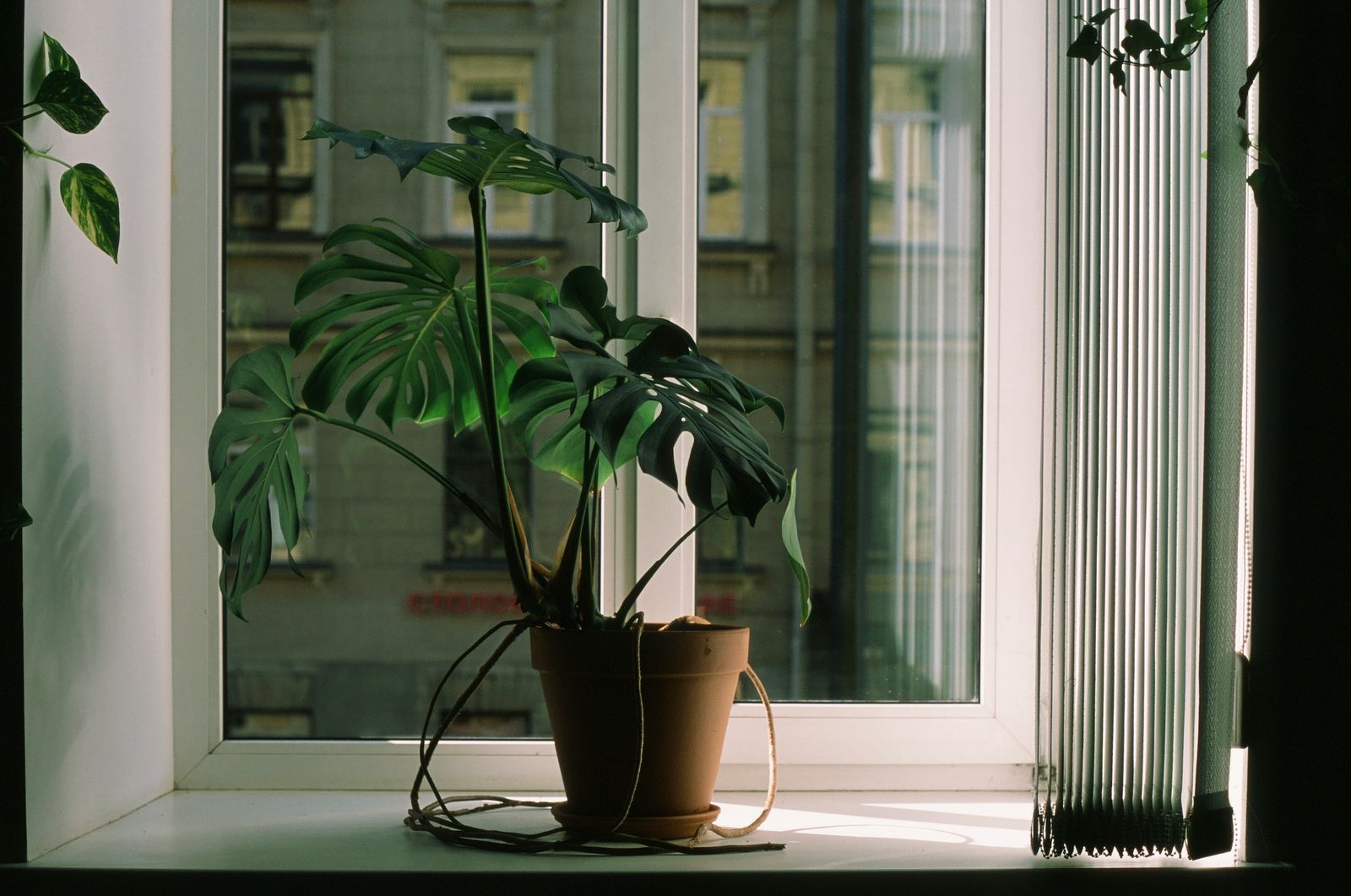
From November to February, houseplants in the valley get less than half the light they had in June, and most homes switch from humid summer air to dry heat. Plants slow down, and the care that worked in summer starts to hurt them.
Move them closer to the light
Light fades quickly with distance from a window. A plant three feet back from a south window in summer may need to sit right on the sill in winter. East and south windows are best; north windows only suit low-light plants like snake plants and ZZ plants.
Wipe the dust off broad leaves once a month so they can use every bit of light. If a plant leans hard toward the glass, give it a quarter turn each week.
Water less, but not on a schedule
Slower growth means plants drink less. Most houseplants that needed water weekly in summer need it every ten to fourteen days in winter. Check the soil instead of the calendar: water when the top inch or two is dry, then water thoroughly until it runs from the drainage hole.
Overwatering in winter is the most common reason houseplants come to our plant doctor desk with yellow leaves and soft stems.
Watch the cold glass and the heat vent
Leaves touching a cold window can get damaged on frosty nights, and a plant beside a heating vent dries out fast. Keep a gap between leaves and glass, and move plants away from radiators and vents.
Grouping plants together raises the humidity around them a little. A pebble tray helps ferns and calatheas more than misting does.
Hold off on feeding and repotting
Skip fertilizer from November to February; plants that are barely growing cannot use it. Repot in March or April, when new growth starts. If a plant truly cannot wait, bring it to the nursery and we will repot it at the potting bench while you shop.