Walk into any perfume shop in winter and you will be offered something warm. Half the time it is called an amber, half the time a gourmand, and they often smell similar on a paper strip. They are different families, and knowing which one you like saves money.
Gourmand: you could almost eat it
A gourmand is built around notes that smell edible: vanilla, tonka, caramel, praline, coffee, honey, chocolate, even milk. The effect can be sweet and playful or dry and toasty, but the heart is always something from the kitchen.
Amber: warmth from resins
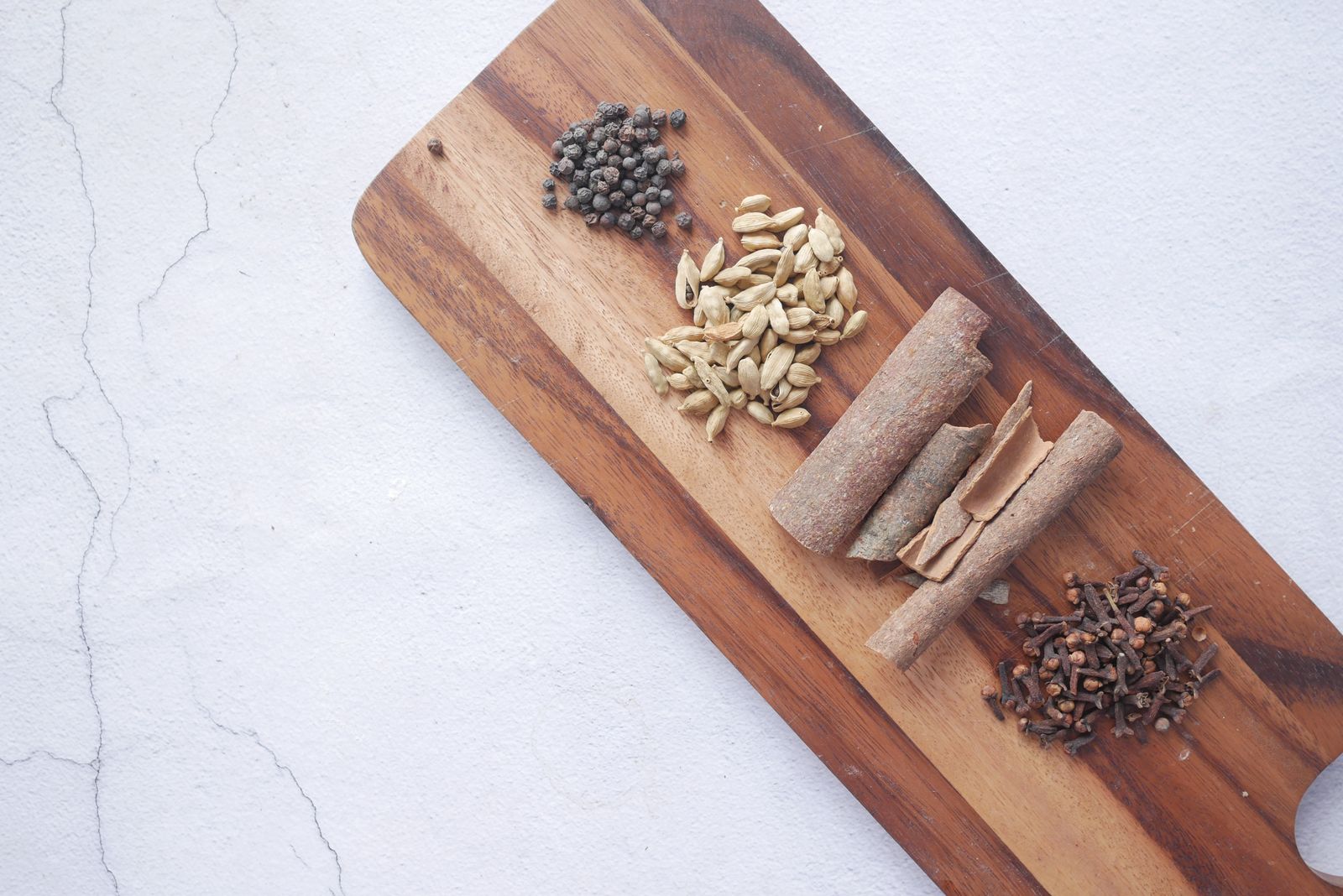
An amber, sometimes called oriental in older guides, is built around resins and balsams: benzoin, labdanum, myrrh, tolu. It usually adds spice such as cinnamon or clove, and often some vanilla, but the main feeling is golden, glowing and slightly smoky.
Quick comparison
- Gourmand heart: vanilla, tonka, coffee, praline.
- Amber heart: benzoin, labdanum, myrrh, spice.
- Gourmand mood: bakery, cafe, kitchen.
- Amber mood: lamp light, wooden box, old church.
- Both: long-lasting, best in cold weather.
The test
Smell the strip and ask yourself one question: does it make you hungry? If yes, it is probably a gourmand. If it makes you think of candles, incense or a warm room, it is probably an amber.
Gourmands invite you to the table. Ambers invite you to sit by the fire.
Why it matters
People who love sweet gourmands often find ambers too smoky; people who love ambers find gourmands too sugary. Knowing which side you are on narrows the counter quickly. My reviews of Pellam Tonka Study and Thessaly Row Lamplight show one of each.
When you shop, read the notes list on the box or the house’s page. Vanilla, tonka or coffee near the top of the heart suggests a gourmand; benzoin, labdanum or myrrh suggests an amber. The notes glossary explains each one in a line.
And if you love both, that is easy: look for an amber with a tonka base, the cosiest corner of both families.