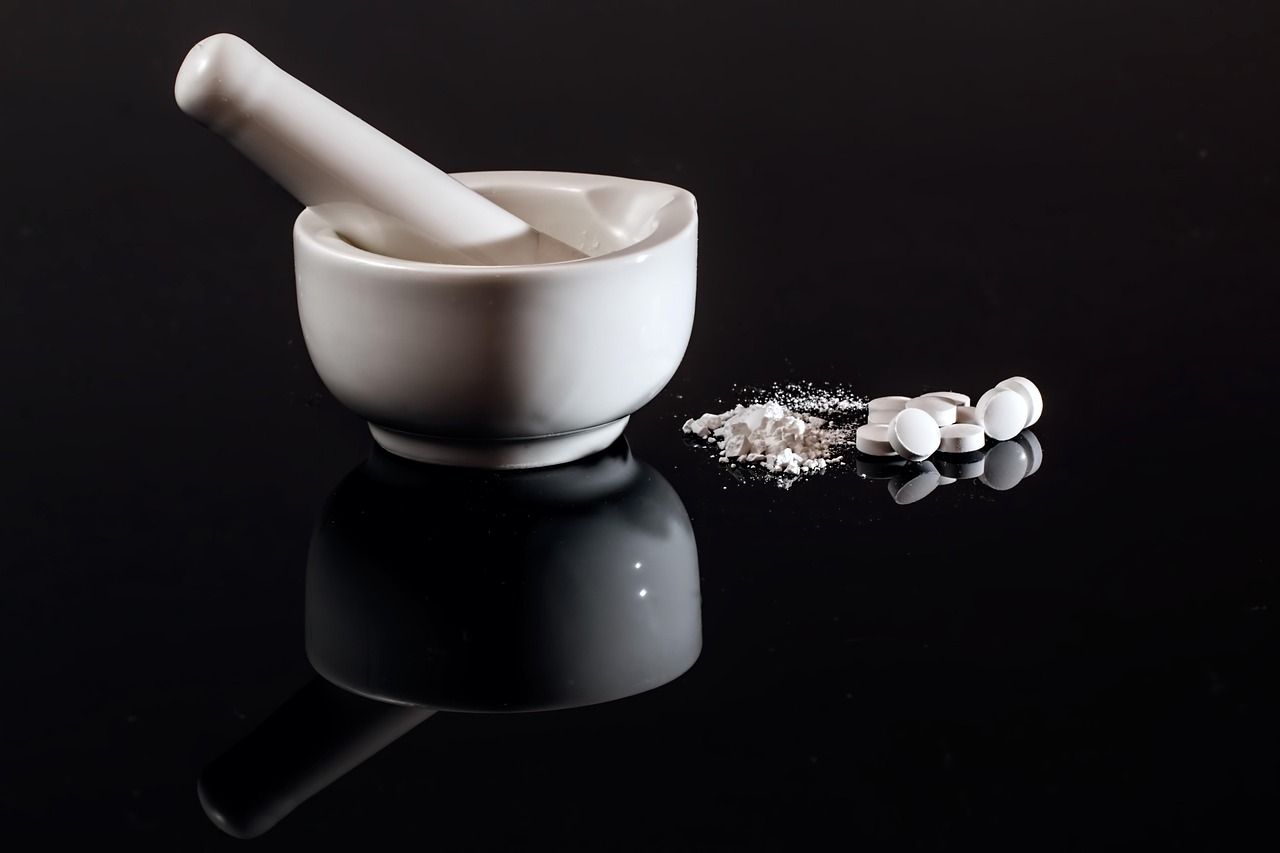
Most medicines arrive at the pharmacy already made. Compounding is different: a pharmacist prepares the medicine for one person, following a prescription written for them. It is one of the oldest parts of pharmacy work, and we still do it in our own compounding room.
When prescribers ask for it
A prescriber may ask for a compounded medicine when a ready-made version does not suit a patient, for example when a different strength is needed, when someone cannot swallow tablets and needs a liquid, or when a base without a certain ingredient is needed.
Compounding always starts with a prescription. We do not choose or change a medicine ourselves; we prepare what the prescriber has ordered.
How we prepare it
Our compounding pharmacist checks the prescription and the formula, weighs and measures each ingredient, and records every step. A second team member checks the finished medicine and its label before it goes on the shelf for you.
Most compounded prescriptions are ready in one or two working days. When you pick it up, the pharmacist explains how to store it and how long it keeps, because compounded medicines often have a shorter shelf life than ready-made ones.
Price and insurance
Every compounded prescription is priced on its ingredients and preparation time, and we tell you the price before we start. Some prescription plans cover compounded medicines and many do not. We check your plan and explain your share before you decide.
How to ask us
If your prescriber mentions compounding, ask their office to send the prescription to us, or call the counter with any questions first. We are happy to talk with your prescriber’s office about what we can prepare.
This article is general information, not medical advice. Call us to talk about your situation.