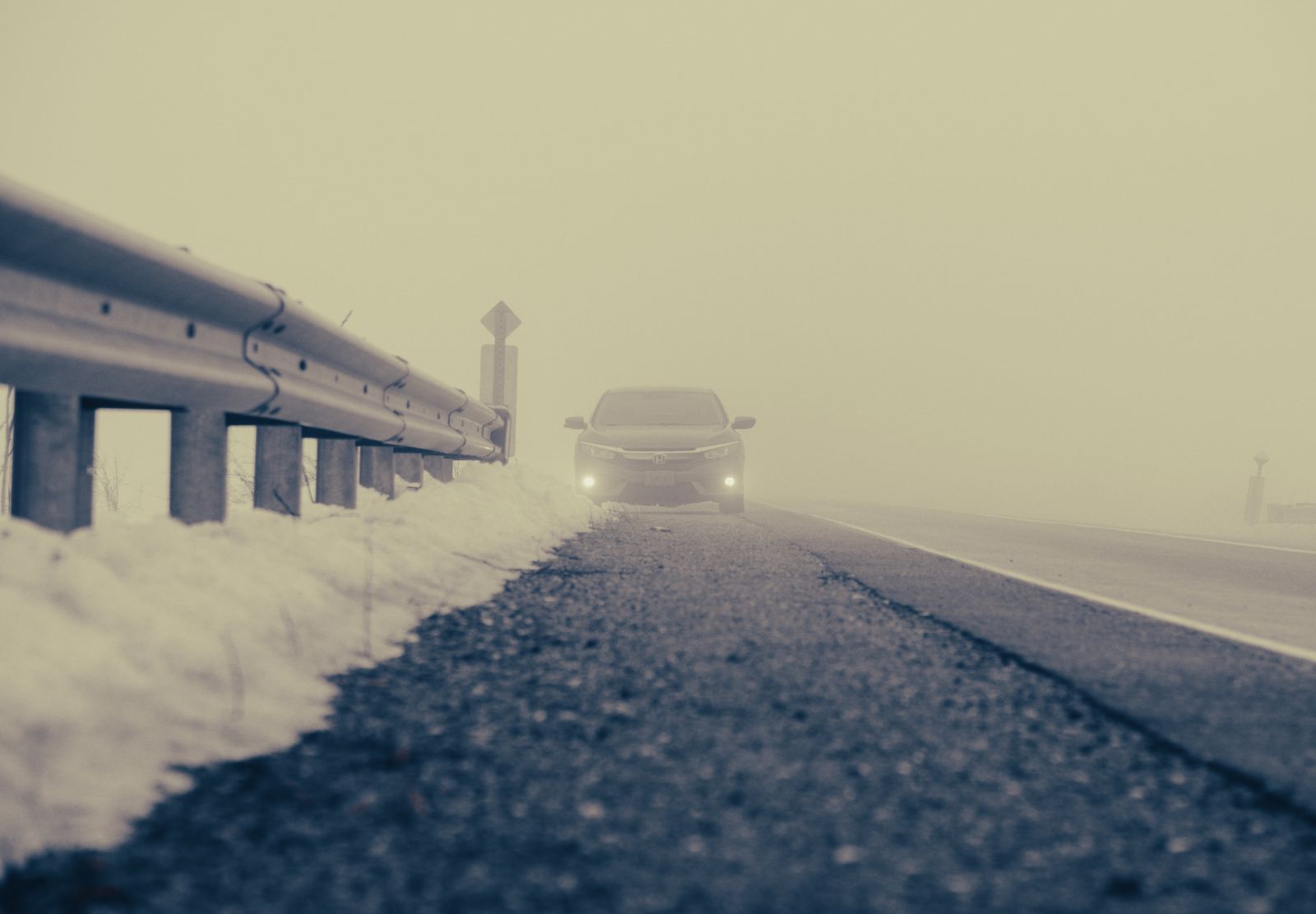
Most breakdowns are not dangerous because of what went wrong with the car. They are dangerous because of where the car stopped. Every year our drivers see near misses on the shoulders of I-10 and I-17, and nearly all of them could have been avoided with a few simple habits.
Get as far right as you can
The moment you feel something wrong, a shudder, a warning light or a loss of power, signal and move right. If the car is still rolling, aim for an exit, a wide shoulder or a gore area rather than the narrow strip by a barrier.
Turn the wheels away from traffic once you stop, so that if the car is hit from behind it rolls off the road instead of into the lane.
Hazards on, then think about getting out
Switch on the hazard lights straight away, and at night leave the parking lights on as well. On a busy freeway it is usually safer to wait behind the barrier than inside the car, but only climb out on the side away from traffic.
If there is no barrier and traffic is fast, stay inside with your seat belt on and call for help. Never stand behind or in front of the car.
Tell dispatch exactly where you are
Freeway mile markers are small green signs every mile, and the last exit you passed narrows it down further. Your phone’s map app can also share a pin. Tell us the direction you were driving, as the two sides of a freeway can be miles apart by road.
Wait for the truck, not a stranger
When we take your call, you get a text with the driver’s name and the truck number. If someone else stops and offers a tow, politely decline: unlicensed tow operators sometimes work freeway shoulders and charge whatever they like.
Our driver sets cones and lights before getting out, so you will see the truck long before it reaches you.