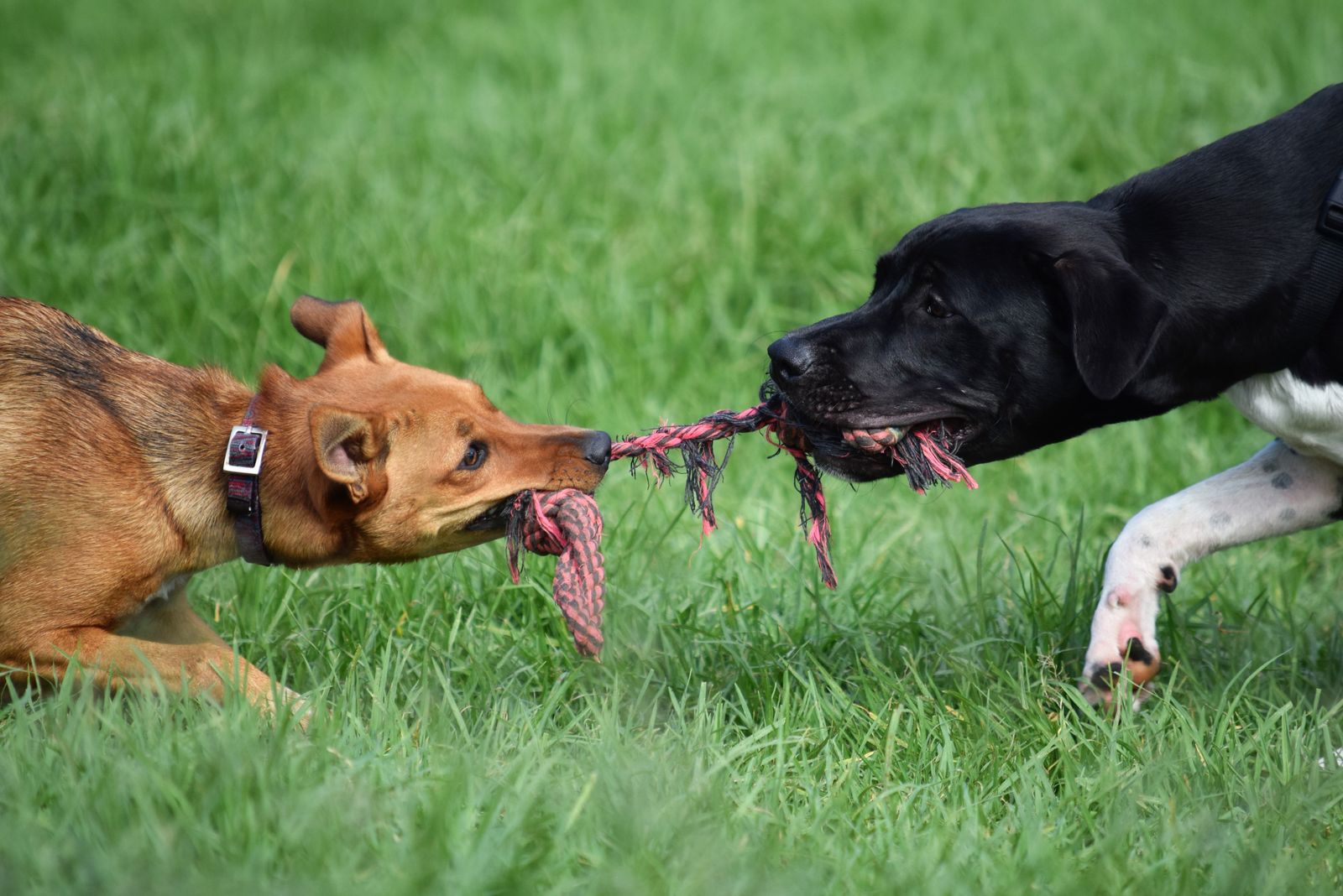
Not every dog enjoys daycare, and that is fine. Dogs have play styles just like people have social styles. Our job at the trial day is to find out what your dog actually enjoys, not to push them into a group that suits our schedule.
Signs a dog enjoys the group
Loose, wiggly bodies, play bows and taking turns in a chase are good signs. So is a dog who plays, wanders off to sniff, and comes back. Breaks are healthy; constant play without pauses is something we manage with nap time and enrichment.
Dogs who enjoy daycare usually walk in with interest, greet a carer and look towards the yard. After a few visits many pull towards the door.
Signs a dog needs something else
Hiding, tail tucked, staying glued to the fence or to a carer for long periods tells us a group is too much right now. So does a dog who cannot settle, or who keeps correcting other dogs.
That does not mean your dog is difficult. A smaller group, a half day or a quieter room may suit them better, and some dogs are simply happier with a walker and their own sofa.
How we sort groups
We sort by size, energy and play style, not only by weight. The Meadow is for small and shy dogs, the Big Yard for confident runners, and the Sun Room for seniors and slow sniffers. Each group has at least one carer for every ten dogs.
We review groups every week, and we always tell you if we move your dog and why.
What you can do as an owner
Tell us about your dog’s friends at the park, the dogs they avoid and the games they love at home. A dog who loves tug but hates being chased needs a different group from a dog who lives for a chase. Our carers use that information on the trial day and in the weeks after.
And trust what you see at pick-up. A relaxed, sleepy dog who walks out wagging is a good sign; one who seems tense every time is worth a conversation with the yard lead.