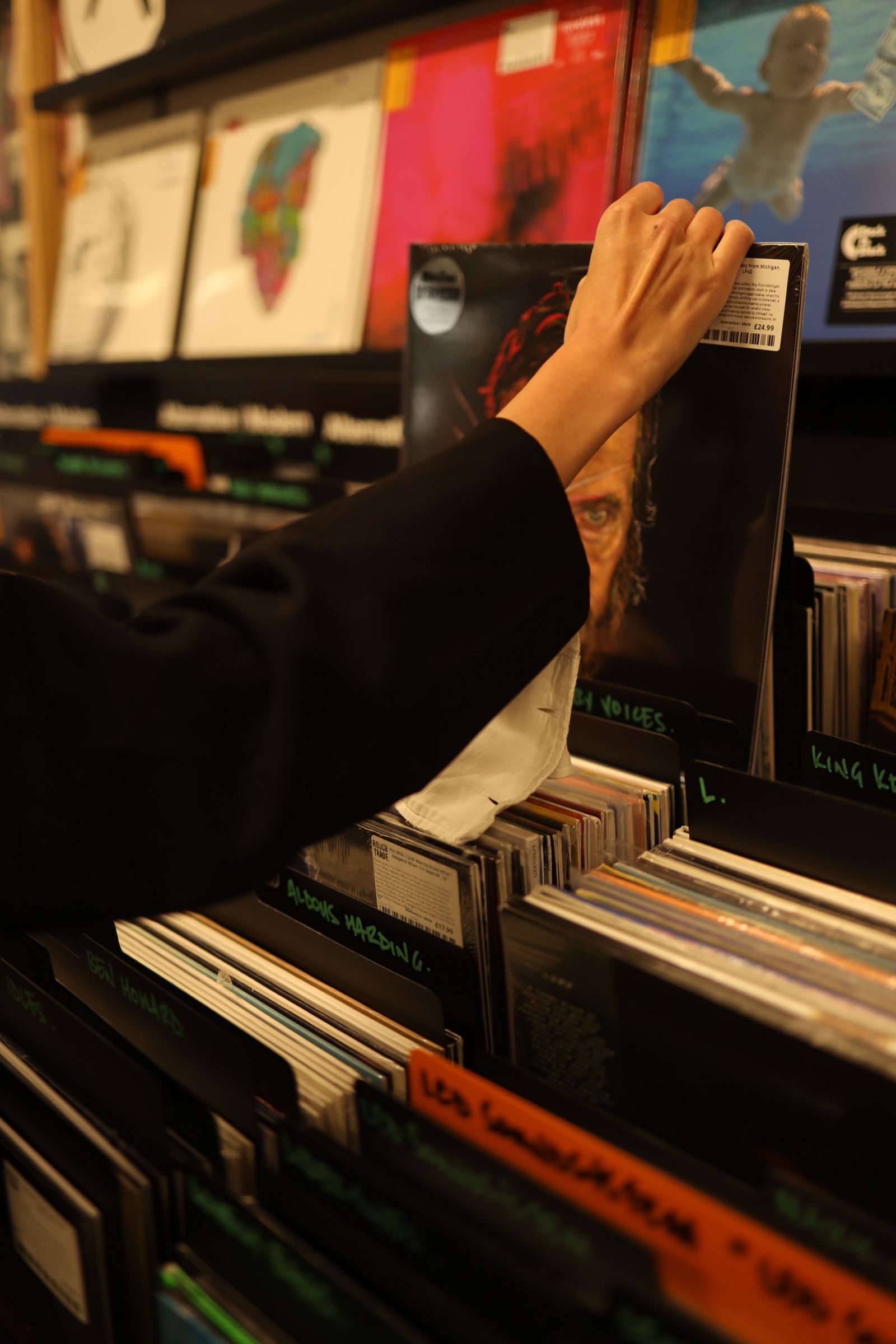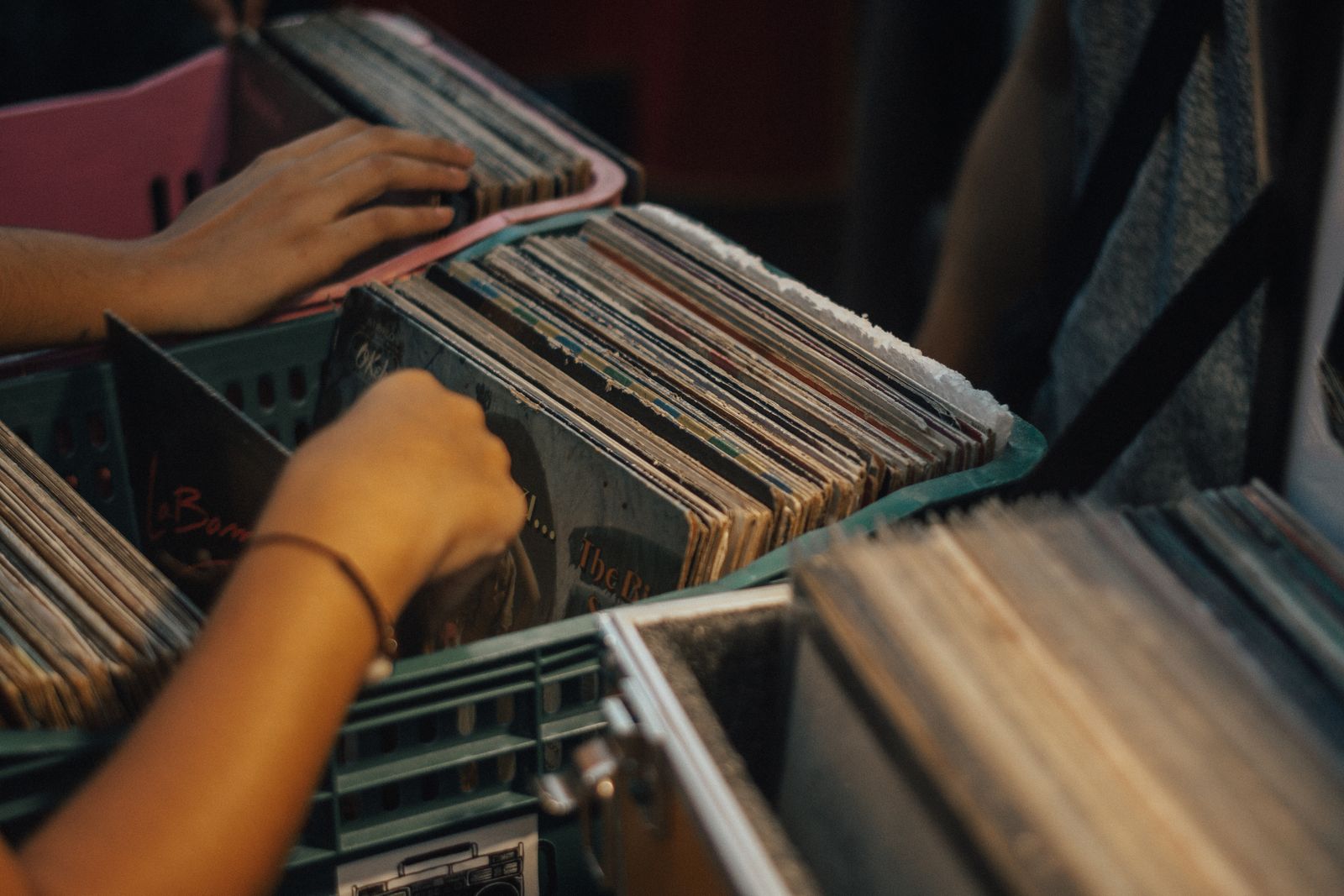
Record-cleaning machines are lovely and expensive. I have never owned one. Almost every record on my shelf has been cleaned at the kitchen table with things that cost less than a new album.
Dry first
Every record gets a dry brush before its first play: a carbon-fibre brush, held lightly, while the record turns. That lifts dust and fluff. For records that look clean, that is all they need.
Wet clean for the dirty ones
Estate-sale and dollar-bin records often need more. My routine is gentle and slow.
Kitchen-table wet clean
- Mix distilled water with one drop of mild, unscented washing-up liquid per half litre.
- Lay the record on a clean towel, label up, and keep the label dry.
- Wipe with a microfibre cloth following the grooves, never across them.
- Rinse with a second cloth damp with plain distilled water.
- Stand the record up in a dish rack to dry completely, then put it in a new inner sleeve.
Things I avoid
Tap water leaves minerals in the grooves. Household cleaners and anything with alcohol in high strength can damage the vinyl. Paper towels shed fibres. And never wipe across the grooves: you push dirt into them instead of out.
New inner sleeves
The quickest upgrade for an old record is a clean, anti-static inner sleeve. Paper sleeves shed dust onto the disc every time you pull it out.
Is it worth it?
A clean record sounds quieter, sounds clearer and wears your stylus less. The difference on a grubby three-dollar find can be startling: crackle that seemed part of the record simply disappears.
Clean records, clean stylus, then decide whether the pressing is noisy.
Do it in batches with a podcast on. Twenty records is a pleasant evening.
Keep a small notebook of what you cleaned and how it sounded afterwards. After a few months you will know which pressings were only dirty and which were simply noisy from the start, and you will stop blaming the wrong thing.