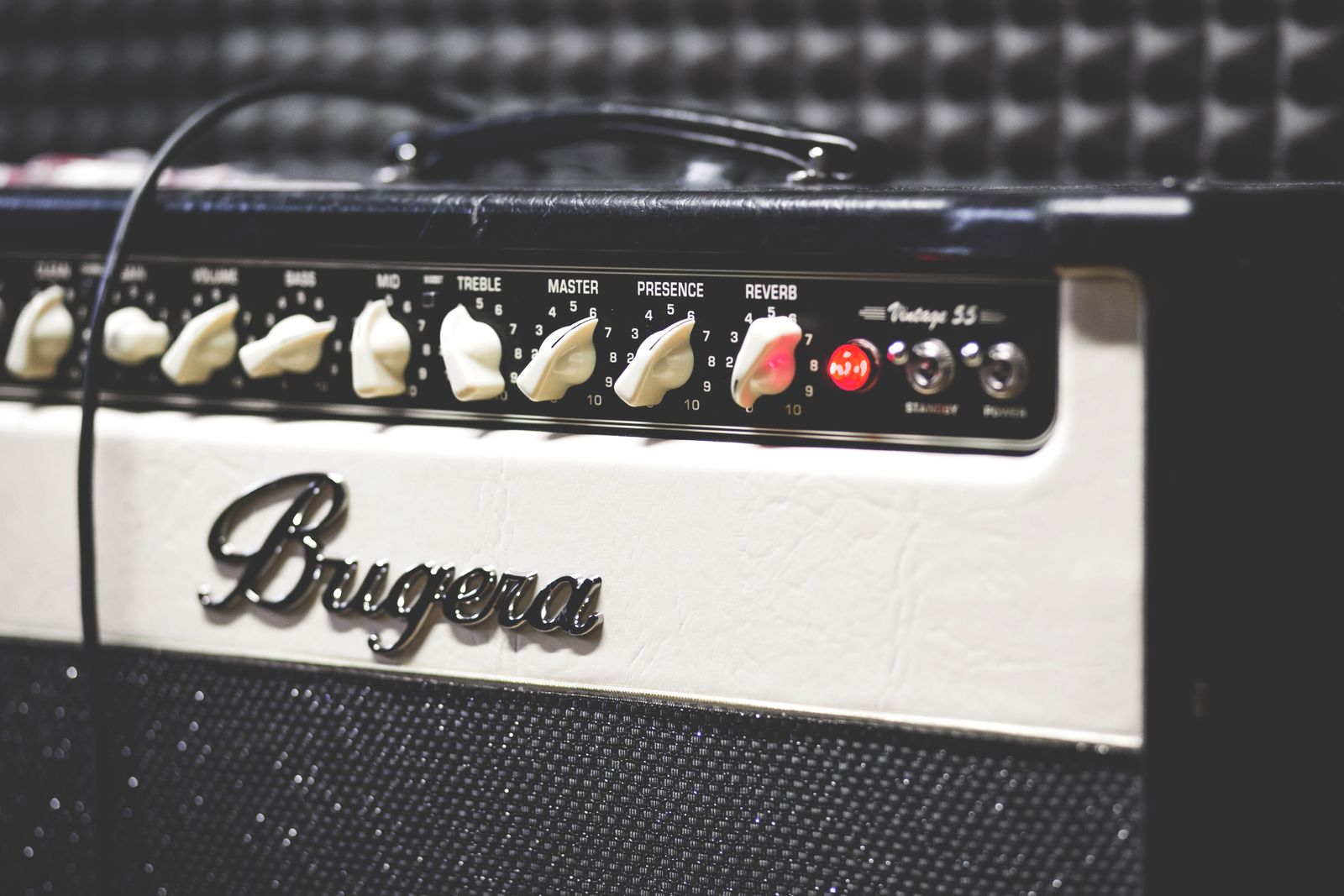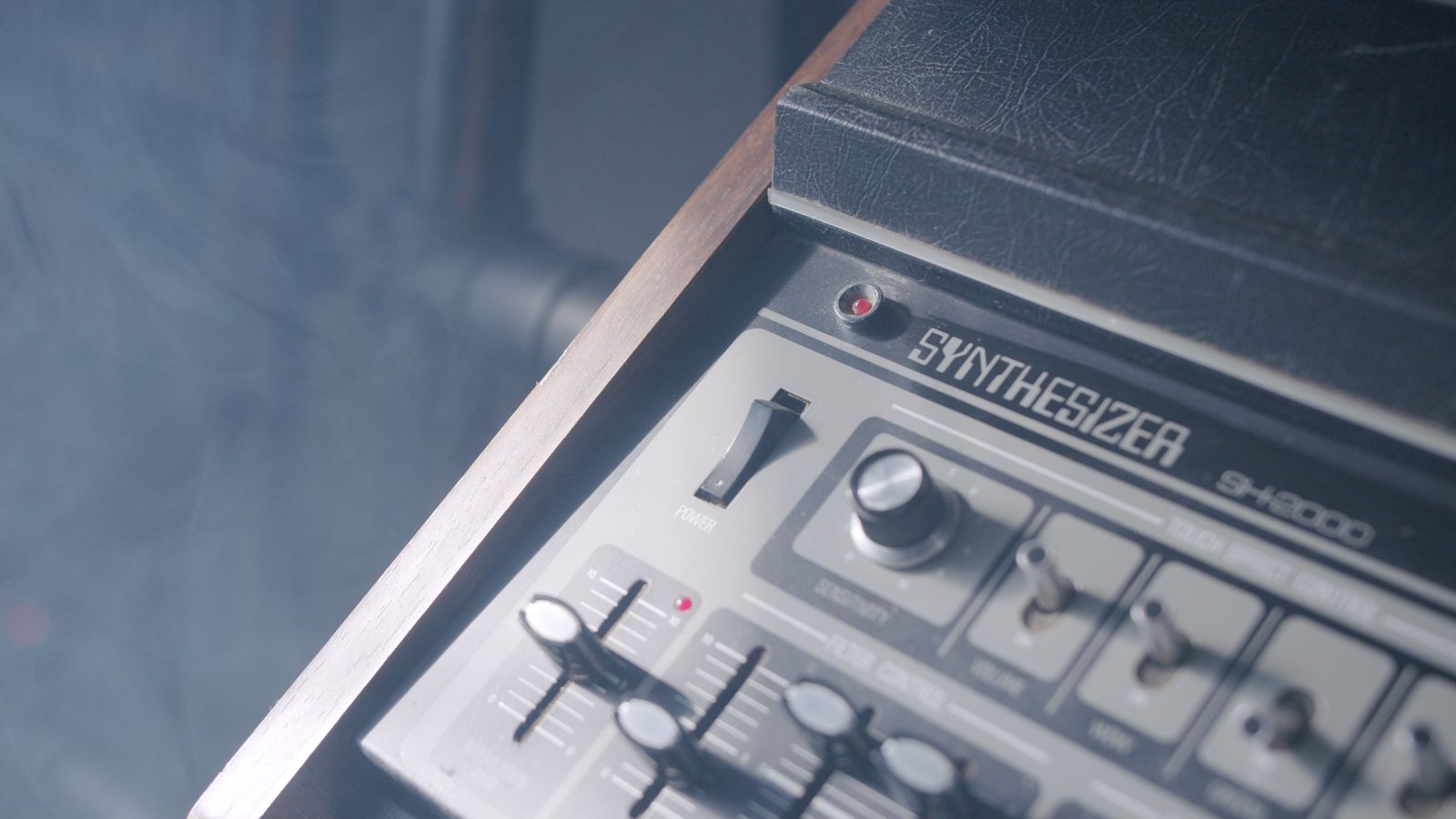
Unit Pallas was one person, a sound engineer named Pell Ardent, who borrowed gear from the studio where she worked and recorded at night. Grid Lullabies was pressed in a run of a thousand and sold mostly at the studio’s front desk.
The idea is simple and still lovely: lullabies built from drum machines and slow synthesizer lines. No vocals, no drops, nothing that asks for your attention. Every track is a small machine left running in a dark room.
Why it works
Machine music from this era can sound cold. This does not, because Ardent ran everything through an old tape echo that smears the edges. Notes bloom and fade. The drum machine is set so soft it sounds like a clock in the next room.
The best track, the eleven-minute closer, is just three notes and a pulse, shifting so slowly you only notice when the whole thing has changed key.
Grid Lullabies
- Artist
- Unit Pallas
- Label
- Self-released
- Year
- 1983
- Format
- LP, 33⅓
- A1 Night Shift Console (6:12)
- A2 Patch Bay Lullaby (5:40)
- A3 Tape Echo Rain (7:05)
- B1 Grid (4:58)
- B2 The Machines Are Sleeping (11:22)
On the pressing
Small runs from the early eighties can be noisy, and mine has a light hiss in the quiet passages. It suits the record. If yours is worse, a careful wet clean helps more than any amount of fiddling with settings.
A record to fall asleep to that never once sounds boring when you are awake.
Copies are scarce. Expect to pay more than you want to, or find it the way I did, in a box marked “studio junk” at a yard sale.
Play it late, at low volume, with one lamp on. Side one works as a slow warm-up and side two as the long fade. By the last track the room feels a few degrees warmer, which is more than most machines manage.