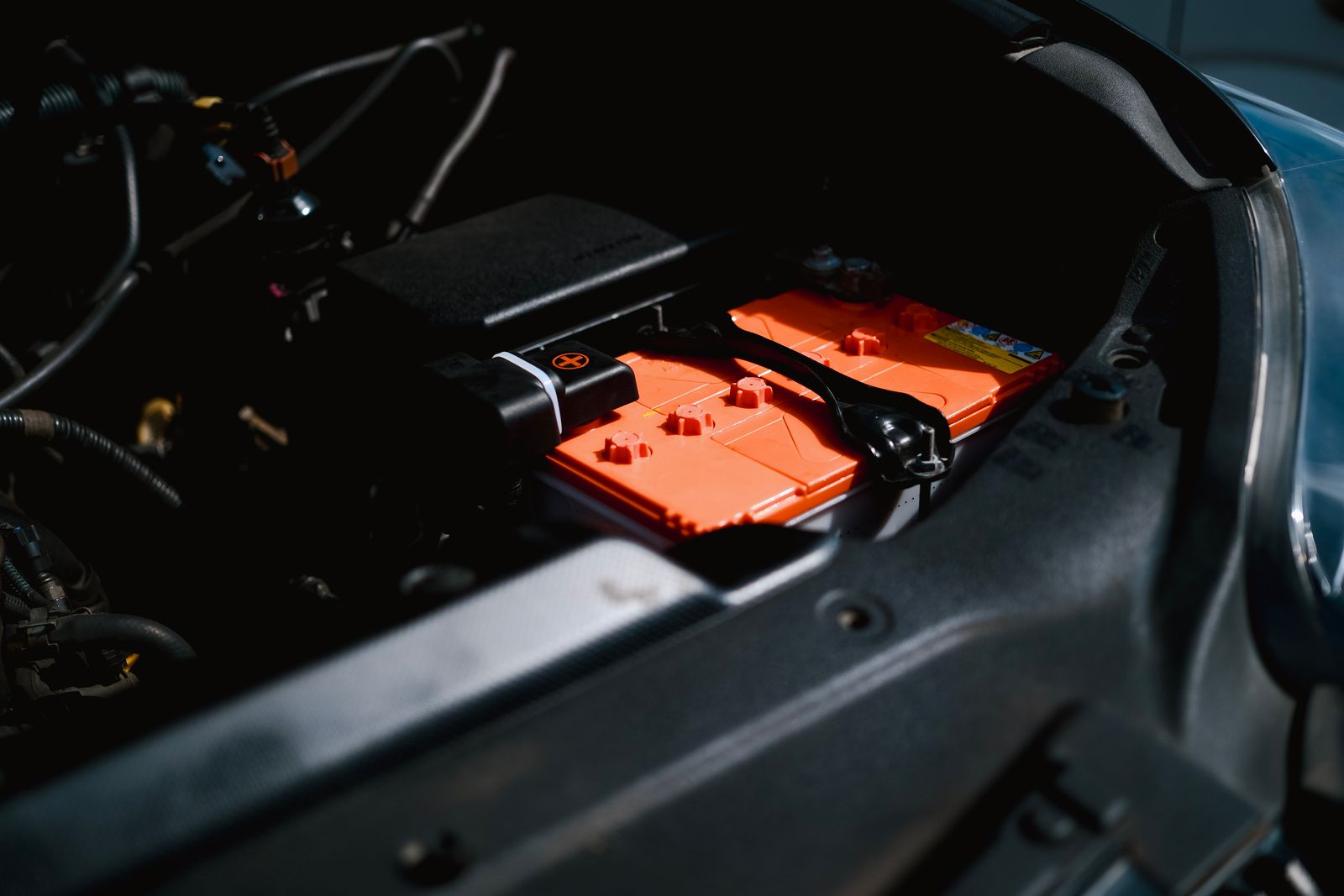
Every week someone pulls into our quick lane with a car that runs perfectly, no warning lights, and still cannot pass. Ask a few questions and the story is usually the same: a new battery or a repair a few days ago. The car is fine. It just has not finished its homework yet.
What readiness monitors are
Your car’s computer constantly tests its own emissions system: the catalytic converter, the oxygen sensors, the evaporative system and more. Each test is called a monitor, and each one reports ready once it has run successfully.
When the battery is disconnected or a mechanic clears fault codes, every monitor goes back to not ready. The smog check equipment sees that and cannot certify the car until enough monitors have run again.
How long it takes
There is no single answer, because each monitor needs its own conditions: a cold start, a steady highway speed, a period of idling, a fuel tank between a quarter and three quarters full. For most cars, a week of normal mixed driving is enough. Some evaporative monitors take longer.
Short trips around the neighbourhood alone may never set them. Try to include at least two drives of twenty minutes or more with some freeway time.
How to check before you come in
Many inexpensive code readers show monitor status. If you do not have one, call us: we can check readiness in a couple of minutes without running a full test, and there is no charge if the car is not ready yet.
If your registration is about to expire
Do not wait until the last day. If you are short on time, renew as early as you can after the repair and give the car a few days of driving. Your renewal notice shows the deadline; the certificate is valid for 90 days once issued.