Starting weekly sessions is a new routine for the whole family. A little preparation makes the first visits feel friendly and familiar, for your child and for you.
What to tell your child
Keep it simple and positive. For a young child, something like “We are going to play games with Rachel, and she will help you with talking” is plenty. Older children usually like to know how long it takes and that you will be close by.
Try not to describe it as a test or as something to fix. Most of what happens in a session looks and feels like play.
What to bring
Bring a drink, a small snack and, for toddlers, a favourite toy or book. If your child wears glasses or hearing aids, bring them along. School-age children can bring a book they are reading at school; we sometimes use it in the session.
Arrive five minutes early so nobody feels rushed. Parking is free behind the building and the waiting room has a play corner.
Your part in the room
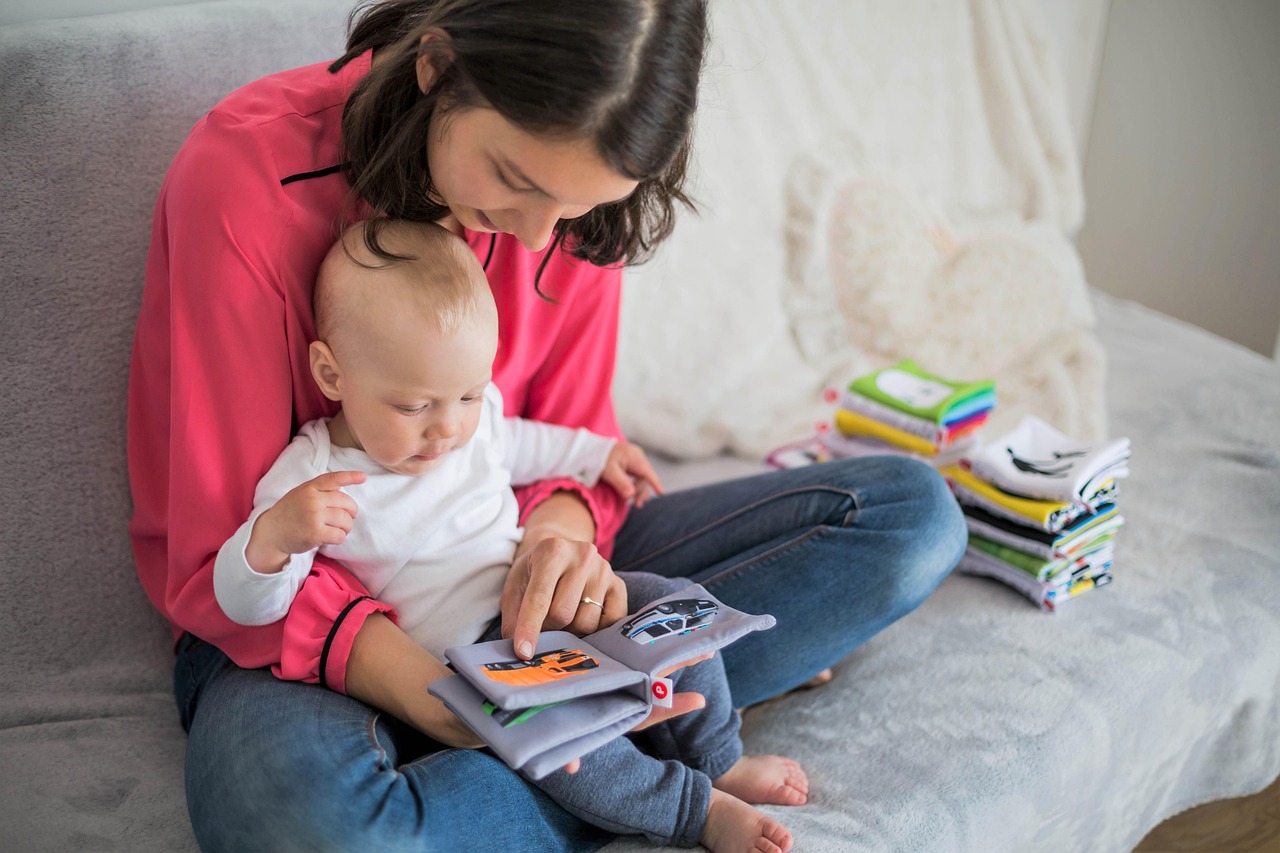
For toddlers and young children, a parent usually joins the session. We show you the games and the words we practise, so you can repeat them at home in short, everyday moments: at bath time, in the car or at dinner.
With older children and teens, we often work one to one and spend the last five minutes with you. That way they have space to try new things, and you still know what to practise.
After the session
You go home with a short practice plan for the week. Ten minutes most days is more useful than an hour on Sunday. If the plan does not fit your week, tell us and we change it.
This article is general information, not medical advice. Call us to talk about your situation.