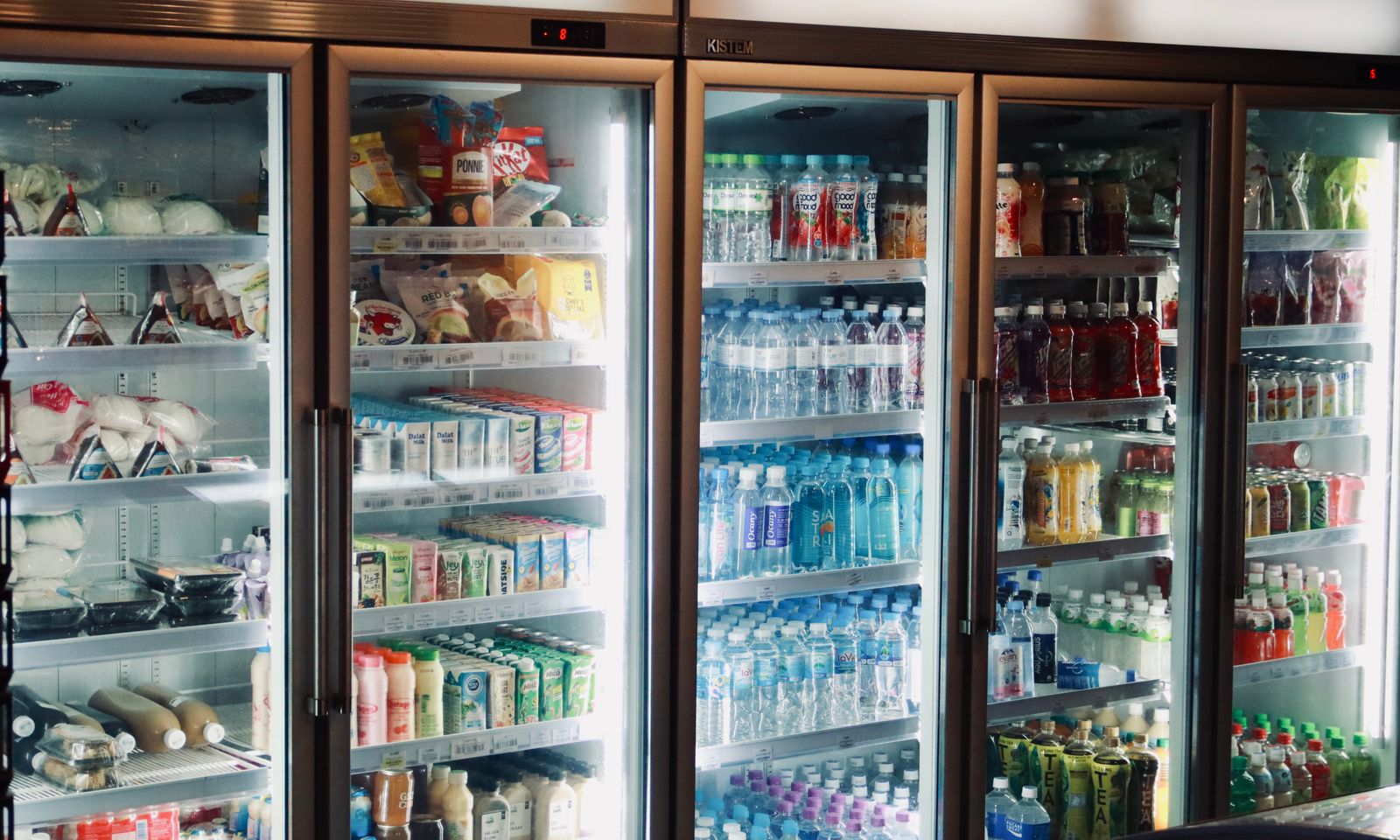
A refrigerator that slowly gets warmer is stressful, because the food inside has a clock on it. The good news is that many cooling problems are airflow problems, and you can rule them out in half an hour. Keep a thermometer in a glass of water on the middle shelf so you know the real temperature: it should be at or below 40°F.
Clean the condenser coils
The condenser coils release the heat the fridge pulls out of your food. On most models they sit behind a grille at the bottom front or on the back. Dust and pet hair act like a blanket. Unplug the fridge and clean them with a coil brush and a vacuum twice a year.
Clear the vents inside
Cold air reaches the fridge section through a vent from the freezer. A tightly packed freezer, or a bag of frozen vegetables pushed against that vent, can leave the fridge warm while the freezer stays frozen. Move things back and leave room for air to circulate.
Test the door seal
Close the door on a dollar bill. If it slides out with no resistance, the seal is leaking cold air. Clean the gasket with warm water; if it is torn or flattened, it needs replacing.
Signs it is time for a technician
Frost building up on the back wall of the freezer often means the defrost system has failed. A fan you cannot hear, or a clicking every few minutes from the back, points to a fan motor or start relay.
Defrost repairs start at $189. Our refrigeration lead tests the parts before quoting, and if the sealed system has failed on an older fridge, we tell you honestly whether the repair is worth it.