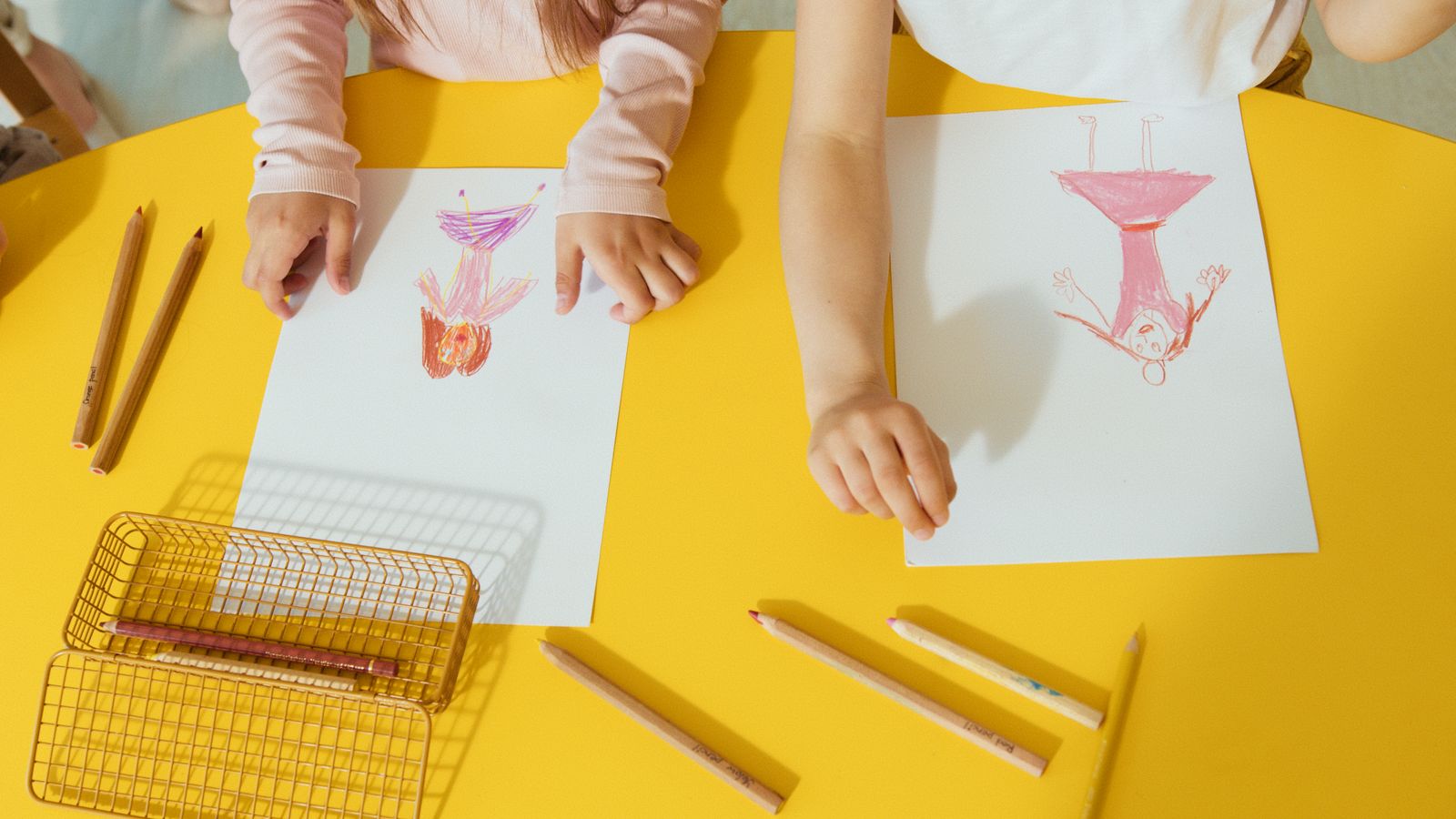
Many parents of four year olds worry about kindergarten. Will my child know enough letters? Will they cope with a bigger class? Every child develops at their own pace, and kindergarten teachers expect a wide range. What helps most is less about worksheets and more about everyday independence.
Looking after themselves
Kindergarten teachers often tell us the same things: they love children who can put on their own coat, open a lunch box, use the bathroom alone and ask for help when they need it. In pre-K we practise these every day, and you can at home too.
Let your child zip their coat, even when it takes three minutes. It is slower now and much faster in September.
Getting along
Waiting for a turn, listening to a story in a group and solving a small argument with words are big skills at four. Our pre-K day has lots of small-group projects where children plan, share tools and take on jobs, such as feeding the fish or setting the lunch table.
Letters, numbers and curiosity
Children in our pre-K room meet letters and numbers through play: finding the first letter of their name on a sign, counting beans in the garden, measuring how tall the sunflowers have grown. We follow their interests, and we never push a child to read before they are ready.
The most useful thing you can do at home is read together every day. Talk about the pictures, guess what happens next and let your child turn the pages.
Talking with us
In the spring of the pre-K year, each family has a meeting with their key teacher. We share what we have seen your child enjoy and find tricky, and we write a short, friendly note you can pass on to the kindergarten teacher if you wish.