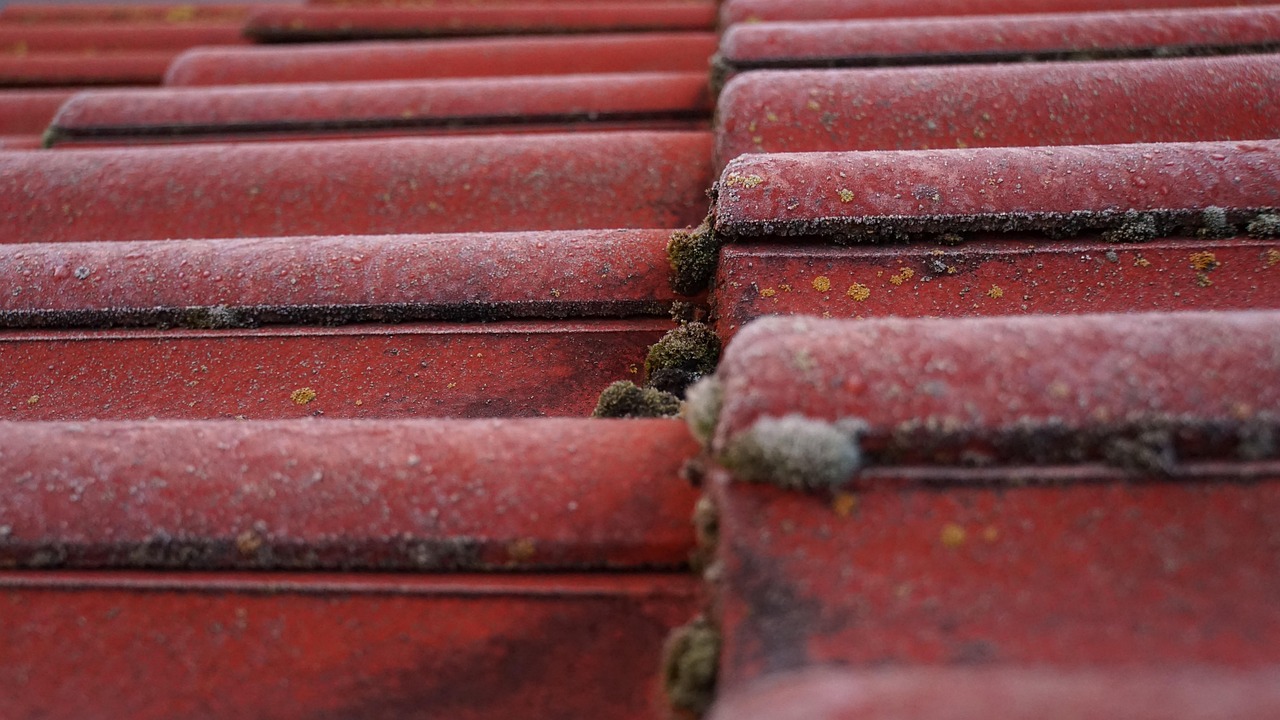
Moss loves a shaded, north-facing roof in a wet climate, which describes a large part of the Eastside. A little green on the shingles looks harmless, but it holds water like a sponge and keeps the roof damp for weeks after the rain stops.
Why moss is a problem
Asphalt shingles are designed to shed water quickly. Moss lifts the edges of the shingles as it grows, lets water work underneath and slowly breaks down the granules that protect them from the sun. Over a few years that shortens the life of the roof.
Moss also washes into the gutters as it dies back, which is one of the main reasons roofs with moss need more frequent gutter cleanings.
Why we never pressure wash a roof
A pressure washer will take moss off in minutes, along with a lot of the shingle granules. It can also force water up under the shingles. We remove moss by hand with soft brushes and plastic scrapers, working down the slope so we never lift a shingle edge.
The treatment that keeps it away
After brushing, we apply a moss treatment along the ridge and over the affected areas. Rain carries it down the roof over the following weeks, so the remaining roots die off gradually. Fall and late winter are the best times, when the moss is growing and the rain helps the treatment spread.
Trimming branches that shade the roof makes a big difference. More sun and air means the roof dries faster and the moss has less chance to settle back in.
Cost and timing
Most roofs start at $249 for brushing and one treatment, priced after we see the size and pitch. Many customers pair it with a November gutter cleaning, so the debris we brush off goes straight into clean gutters and is taken away the same day.