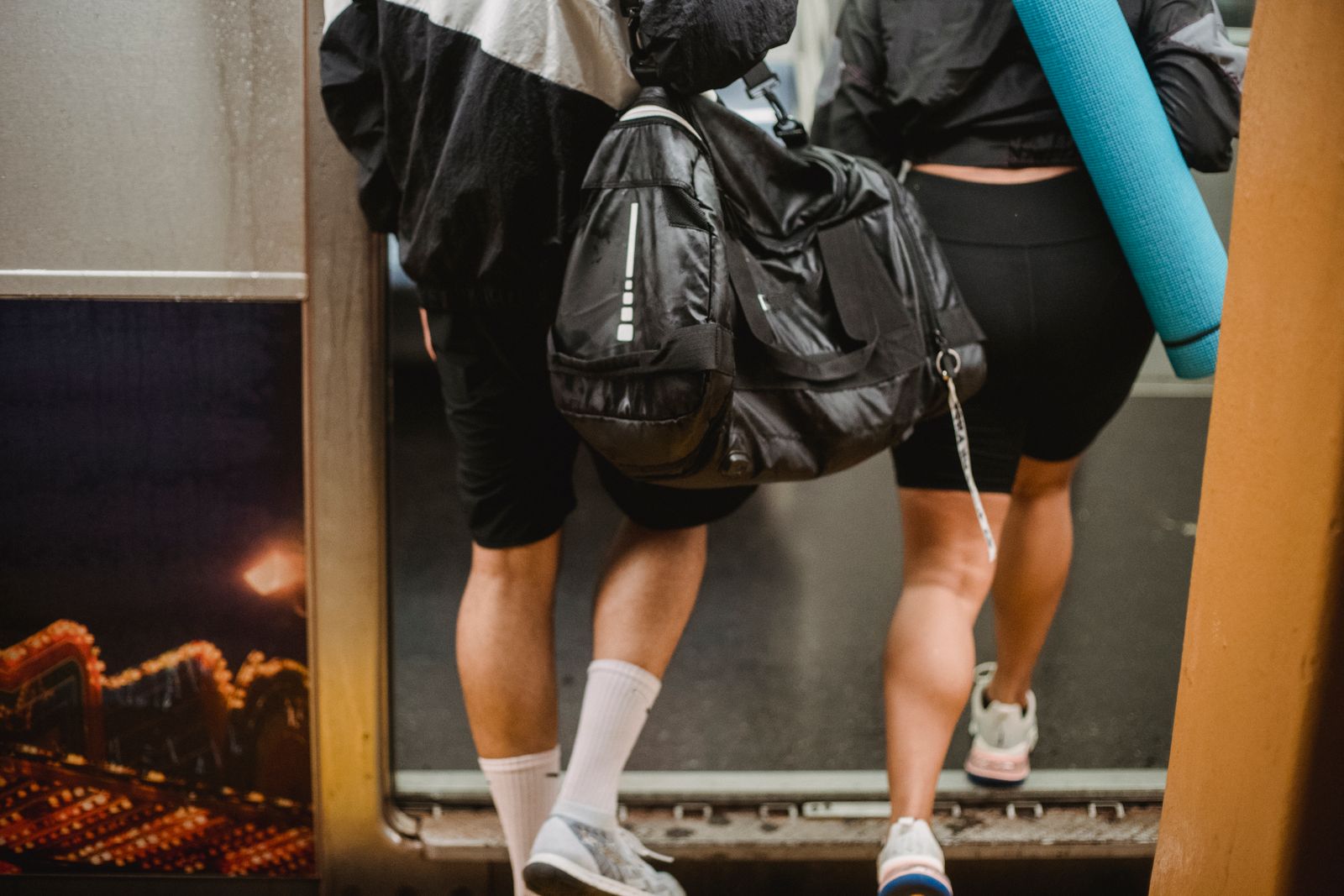
Physical therapy is active. Most sessions include exercise on our training floor, and your therapist will often need to see or reach the area being treated. What you wear makes a real difference to how smoothly the hour goes.
Clothes that move with you
Choose loose or stretchy clothes you would wear to a gym class: leggings, joggers or athletic shorts, and a T-shirt or tank top. Jeans, skirts and stiff fabrics make it hard to test movement.
Dress for the area we are working on. For a knee, ankle or hip, bring shorts or wear trousers that roll up above the knee. For a shoulder or neck, a tank top or a loose T-shirt helps. We have private changing rooms and gowns if you prefer to change at the clinic.
Shoes
Wear the shoes you train or walk in most. If you run, bring your running shoes, even if they are old: they tell your therapist a lot. For a running assessment, bring the pair you run in now and, if you have one, the pair you plan to use next.
What to bring
For a first visit, bring a photo ID, your insurance card if you are using it, and any reports or notes from a doctor or surgeon. A list of your current exercise routine is also useful.
For every visit, bring a water bottle. Our training floor is air-conditioned, and there is a filtered water station by the lockers.
After surgery
If you have a brace, sling or crutches, bring them, along with the protocol your surgeon gave you. Your therapist follows those instructions closely.
This article is general information, not medical advice. Call us to talk about your situation.