Charleston does not have a dramatic autumn. The trees stay green for weeks and the evenings stay warm enough for the courtyard well into November. But on the farms and on the water the season turns quickly, and our menu turns with it.
The last of the shrimp, the first of the oysters
White shrimp are at their biggest in the autumn, and the boats that dock at Shem Creek bring them in until the water cools. We buy them head-on and use the shells for the stock that goes into our grits.
Oysters start when the water drops below seventy degrees. The first clusters from Bull’s Bay are small and very salty, and by December they are plump enough to serve on the half shell every night.
Roots, greens and field peas
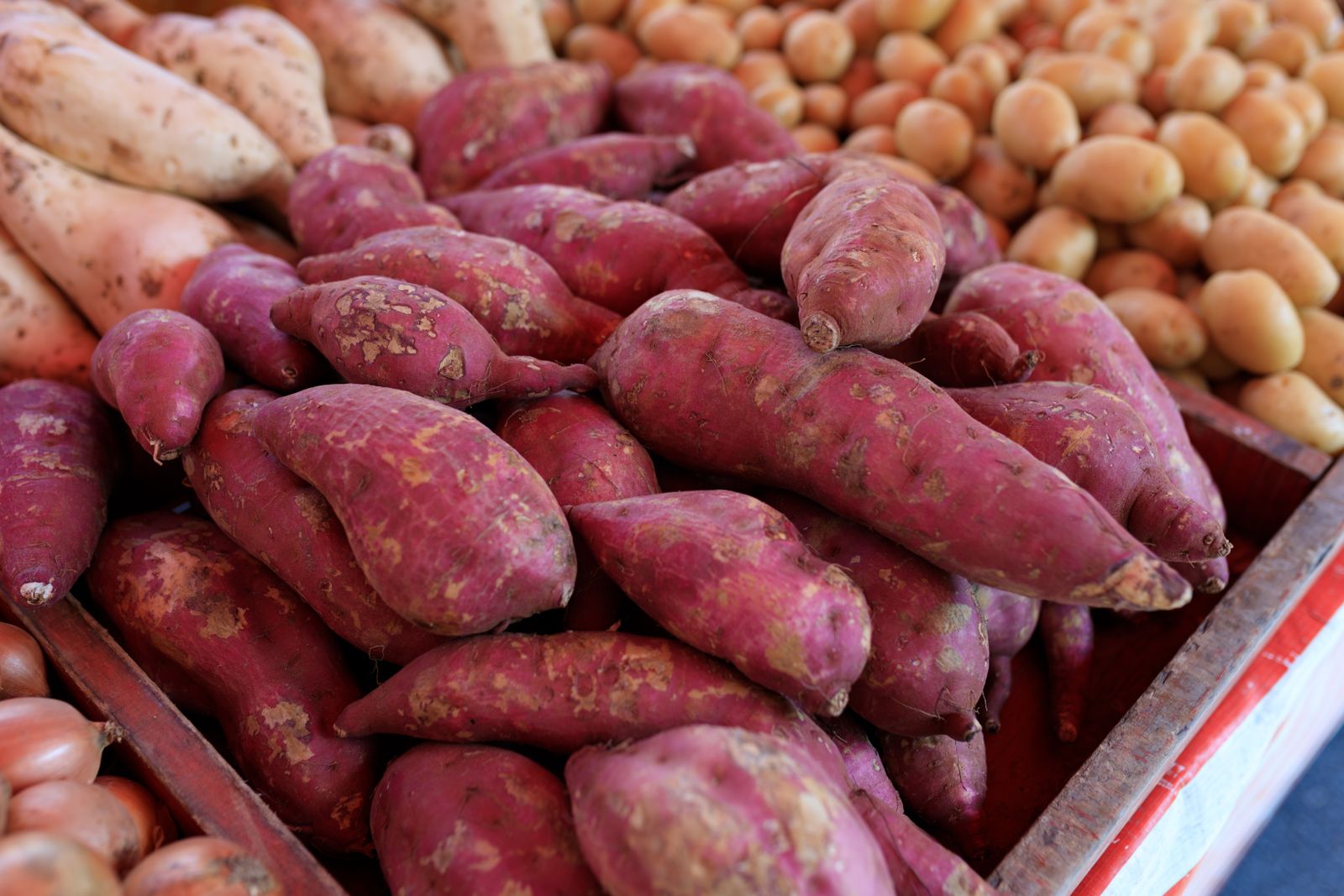
The farms on Johns Island and Wadmalaw dig sweet potatoes in October and cure them for a few weeks so the starch turns to sugar. We roast them whole in the wood oven and serve them with the chicken.
Collards get sweeter after the first cool nights. We braise them slowly with smoked ham hock, and there is always a vegetarian version on the stove for guests who ask.
Dried field peas from last summer come out of the store room for soups, salads and the risotto that replaces our summer tomato plates.
Why the menu is short
We keep the dinner menu to twelve plates so that every one of them can change when the ingredients do. When a farm calls to say the okra is finished, the okra comes off the menu that night and something else goes on the board.
That is also why the specials board exists: a whole fish, a small catch of soft-shell crabs or a crate of muscadines rarely lasts more than two evenings. Ask your server what came in that morning.