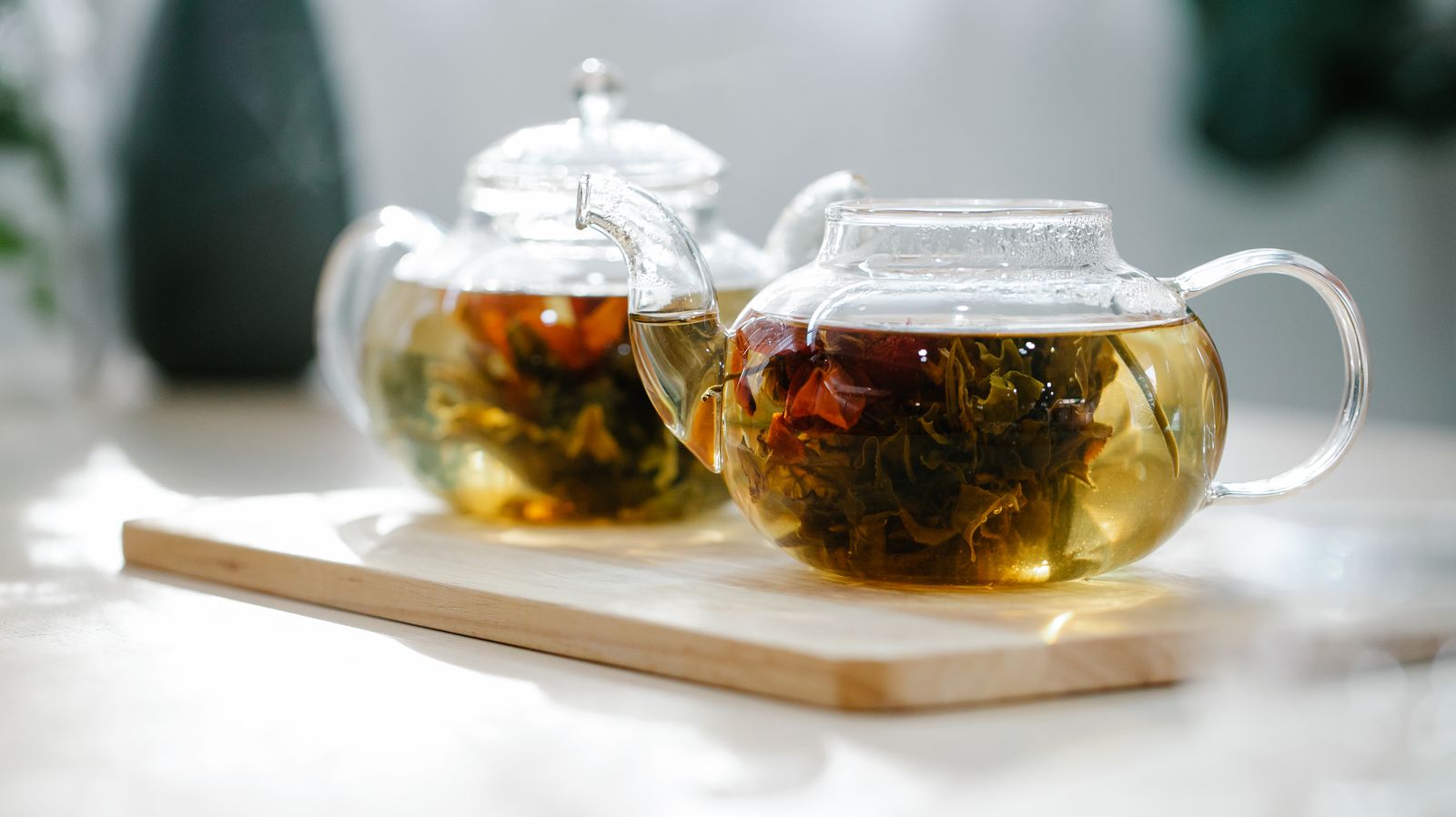
Most of the questions we hear at the shop counter come down to one worry: the tea tasted wonderful in the tea room and bitter at home. The leaf is the same. What changes is the water, the amount of tea and the timing, and all three are easy to get right in your own kitchen.
Start with the water
Use fresh, cold water and bring it to the right temperature for the tea. Water that has boiled twice tastes flat, and very hard tap water can dull a delicate green or white tea, so a simple jug filter is worth having.
Black teas and herbals like water just off the boil, around 205 to 212°F. Oolongs sit in the middle at about 195°F. Greens and whites prefer 175 to 180°F, which is when small bubbles first cling to the side of the kettle. If your kettle has no settings, boil it and let it rest with the lid open for three or four minutes.
Measure the leaf
Our house rule is one heaped teaspoon, about 2.5 grams, for every eight ounces of water. Large, open leaves like white peony are light and bulky, so use two teaspoons. Tightly rolled teas such as jasmine pearls or tieguanyin need a little less.
Give the leaves room. A basket infuser that fills the pot works far better than a small ball, because the leaves need space to open.
Time it, then taste
Black tea needs about four minutes, green two to three, oolong three, white four and herbal blends five to seven. Set a timer, take the leaves out, and taste before adding milk or sugar.
If it is too strong, shorten the time rather than using less tea; you will keep the flavour and lose the bitterness. Many oolongs and greens can be steeped two or three times, each a little longer than the last.
A note on milk
Milk suits robust black teas such as our Savannah breakfast blend. We would never stop you adding it to anything, but try greens, whites and oolongs on their own first.