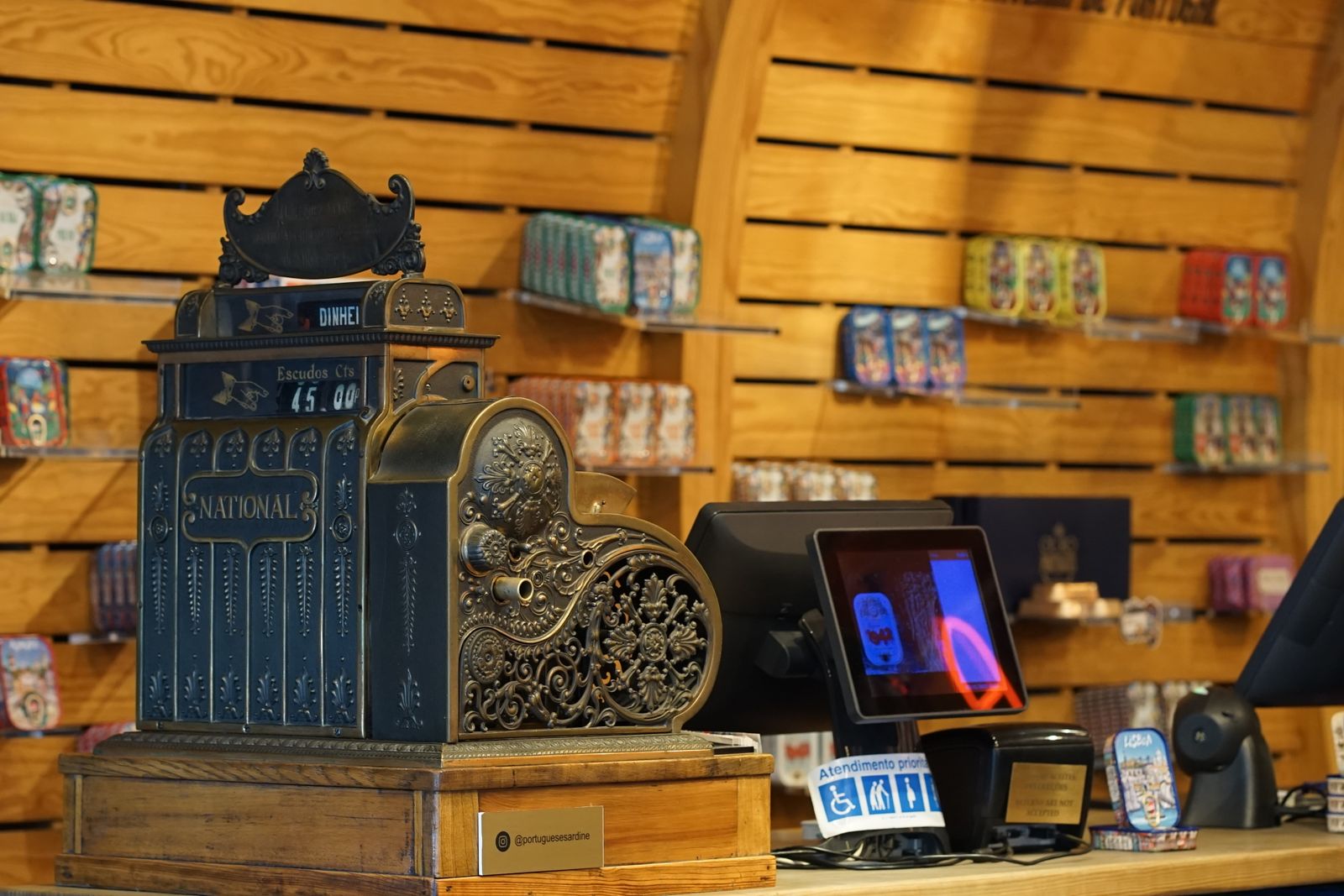
Consigning should be simple, and we try to keep it that way. You keep ownership of your pieces until they sell, we do the pricing, steaming and selling, and we share the sale price with you. This is how it works, from the counter to the payout.
At the counter
When you drop off, one of our buyers goes through your pieces with you. We set a price for each one based on similar pieces we have sold recently, and you see every price before you sign. You can take back anything you do not want to sell at that price.
You get a consignor number and a printed list of your pieces. You can check what has sold at any time by calling or asking at the counter.
Your split
For pieces priced under $150 you receive 50% of the sale price. For pieces of $150 and over, usually designer resale and rare vintage, you receive 60%. If you choose store credit instead of a payout, we add another 10% on top.
There are no fees to consign, no fees to collect and no charge for steaming, minor repairs or hangers.
Sixty days on the rail
Your pieces hang for 60 days. After 30 days unsold pieces move to a colour tag and are marked down by 25%, and after 45 days by 50%. The colour tags change each Tuesday, so shoppers always know what is discounted.
At the end of the 60 days you can collect anything unsold within a week, or let us donate it to a local shelter.
Payday
Payouts are made on the 10th of each month for everything that sold in the month before. Choose a check, a bank transfer or store credit when you sign up, and change it whenever you like.
Payout balances under $5 roll over to the next month. Your printed statement lists every piece that sold, its price and your share.