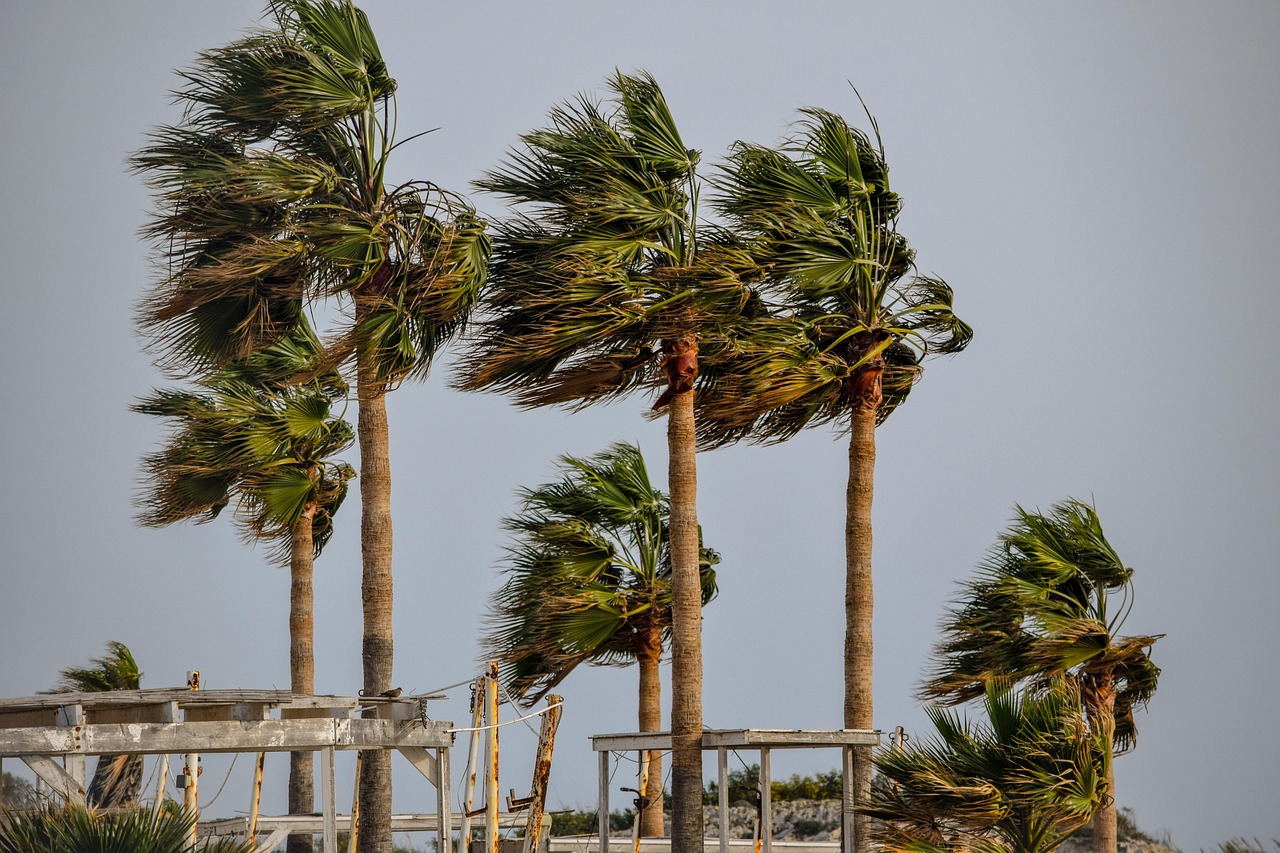
Hurricane season in North Florida runs from June to the end of November, and the best time to prepare your trees is before it starts. Crews get booked solid once a storm has a name, and a tree pruned in a rush is rarely pruned well.
Prune for wind, not for looks
Good storm pruning removes dead wood, weak and crossing limbs and a little weight from the ends of long branches. It lets wind pass through the crown instead of catching it like a sail.
Heavy thinning or topping does the opposite. It leaves a tree full of fast-growing shoots that break easily, and it stresses the tree right before the windiest months.
Know which trees worry us most
Laurel and water oaks, which are common around Tallahassee, grow fast and often decay from the inside by the time they are fifty. Tall pines close to a roof are another concern after a dry spring. Live oaks and longleaf pines tend to stand up to wind much better.
Clear the roof and the lines
Limbs over the roof should be cut back so they cannot hit it in a gust. Branches near the service line to your house can be cleared by an insured tree crew; lines on the street poles belong to the utility, so call them first.
Book early
We take storm-prep bookings from February to May, when we can give each tree the time it needs. A pre-season walk-around with an arborist is free if you book any pruning with us.
Before a named storm arrives, the most useful things you can do yourself are simple: bring in loose pots and furniture, park cars away from big trees and save our storm line in your phone.