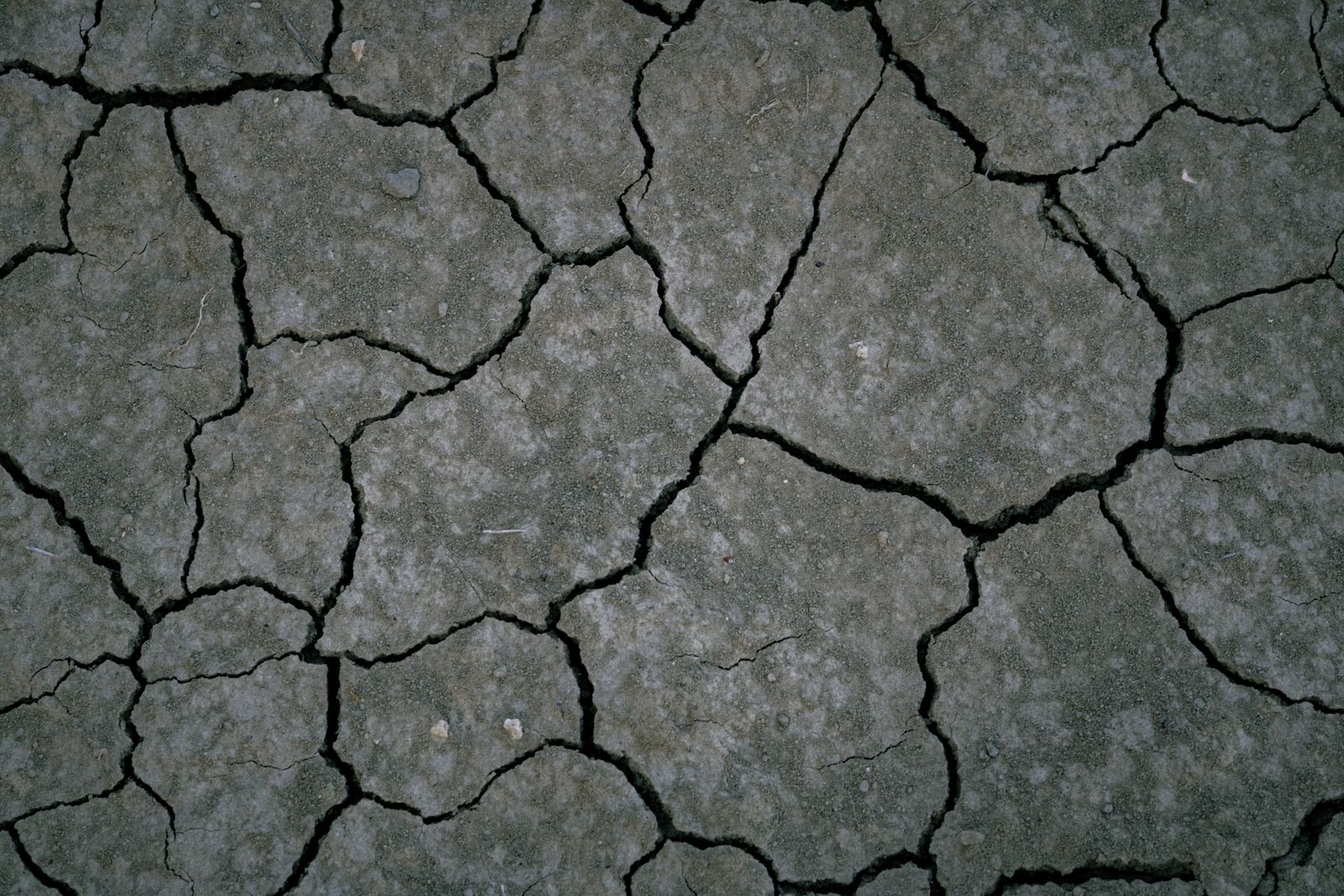
Look closely at the ground beside many desert trails and you will see a dark, knobbly crust, a bit like burnt sugar. It is easy to mistake for dirt. In fact it is a living community of tiny organisms that holds the sand together, feeds the plants and keeps the desert from blowing away.
Why it matters
This biological soil crust grows incredibly slowly. A single boot print can crush it, and it may take years or even decades to recover. Without it, wind and rain carry the soil away and plants struggle to take root.
That is why so many trails here are marked with lines of small stones, and why your guide will ask you to stay on the path or on bare rock.
Walking lightly
The simplest rule is to step on rock, in sandy washes or on the trail itself. When you stop for a photo, find a patch of bare slickrock. If you need to step aside for other hikers, choose sand or stone rather than the crusty ground.
Cairns, the little stacks of rock that mark many routes, help you find the way across bare stone. Please do not build new ones or knock old ones down. A misplaced cairn can lead the next hiker the wrong way.
Leave it as you found it
Rock art, old cabins and pottery shards are part of the story of this land. Look, photograph and leave them where they are. Never touch rock art; the oils on your fingers damage it.
We pack out everything we bring in, including fruit peel. In the dry air even an orange peel can take a long time to break down.
Ask your guide
Our guides love this topic. Ask them to show you the crust up close on your hike, and you will never look at desert ground the same way again.