Homework fights usually start with the same three things: no fixed time, no fixed place and a phone within reach. A routine does not have to be strict to work. It has to be predictable, so that the question each evening is not whether homework happens but only what comes first.
Pick a time and protect it
Most children work best after a snack and a short break, not straight off the bus and not after dinner when they are tired. For many families that means 16:30 or 17:00 on weekdays.
Write the time on the fridge and keep it the same on most days, even when there is little homework. On light days, use the slot for reading, so the habit holds through the dark months when everyone would rather be on the couch.
One place, ready the night before
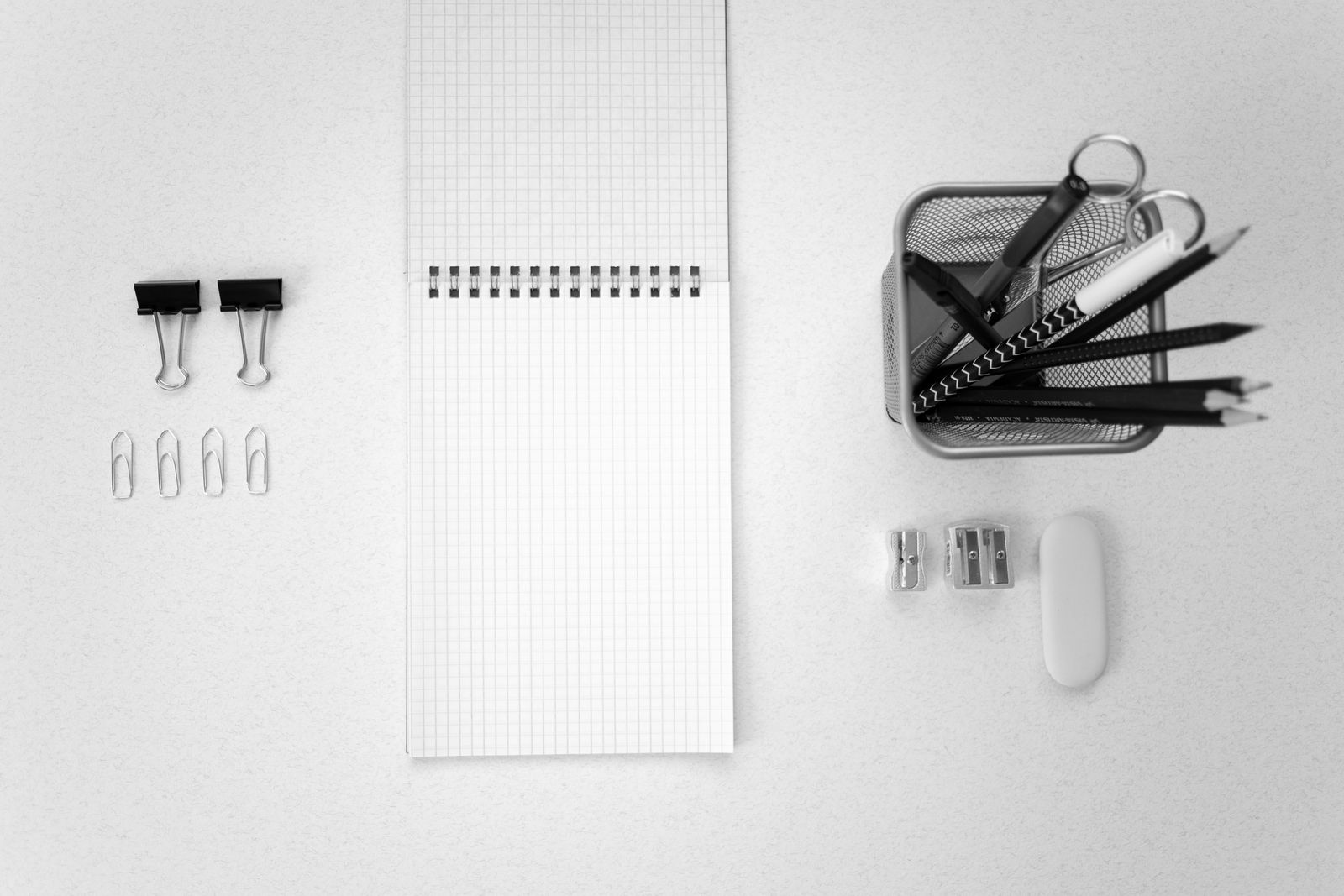
A kitchen table works as well as a desk, as long as it is the same spot. Keep a box with pencils, a ruler, a calculator and lined paper, so nobody spends ten minutes looking for a sharpener. Phones and tablets go in another room unless the work needs them.
Start with the hardest task
Attention is highest in the first twenty minutes. Encourage your child to start with the subject they find hardest and save the easier work for later. A short list on a sticky note, crossed off as they go, makes progress visible.
Break longer tasks into chunks of fifteen to twenty minutes with a two-minute stretch in between. That works far better than sitting at the table for an hour.
Stay close, not too close
Be nearby to answer a question, but resist doing the work for them. If the same subject causes tears week after week, that is useful information to share with their teacher.
Our homework club runs Monday to Thursday afternoons for families who would rather hand over this part of the day, with a snack first and a tutor at every table.