Last July a viewer named Ade sent us a question: why does her street in Eastyard feel like an oven when the next street over is fine? We borrowed a thermal camera from the university and walked both streets at 3 p.m. on a hot afternoon.
The answer took about three minutes to film and it comes down to three things: shade, surfaces and space for the air to move.
In this video
- 00:00 The question
- 00:20 Shade: the 9 degree difference
- 01:15 Dark roofs and black asphalt
- 02:05 Why wide streets cool faster
- 02:40 What the city is planting
Every reading in the video was taken between 2:45 and 3:15 p.m. on the same day.
Shade does most of the work
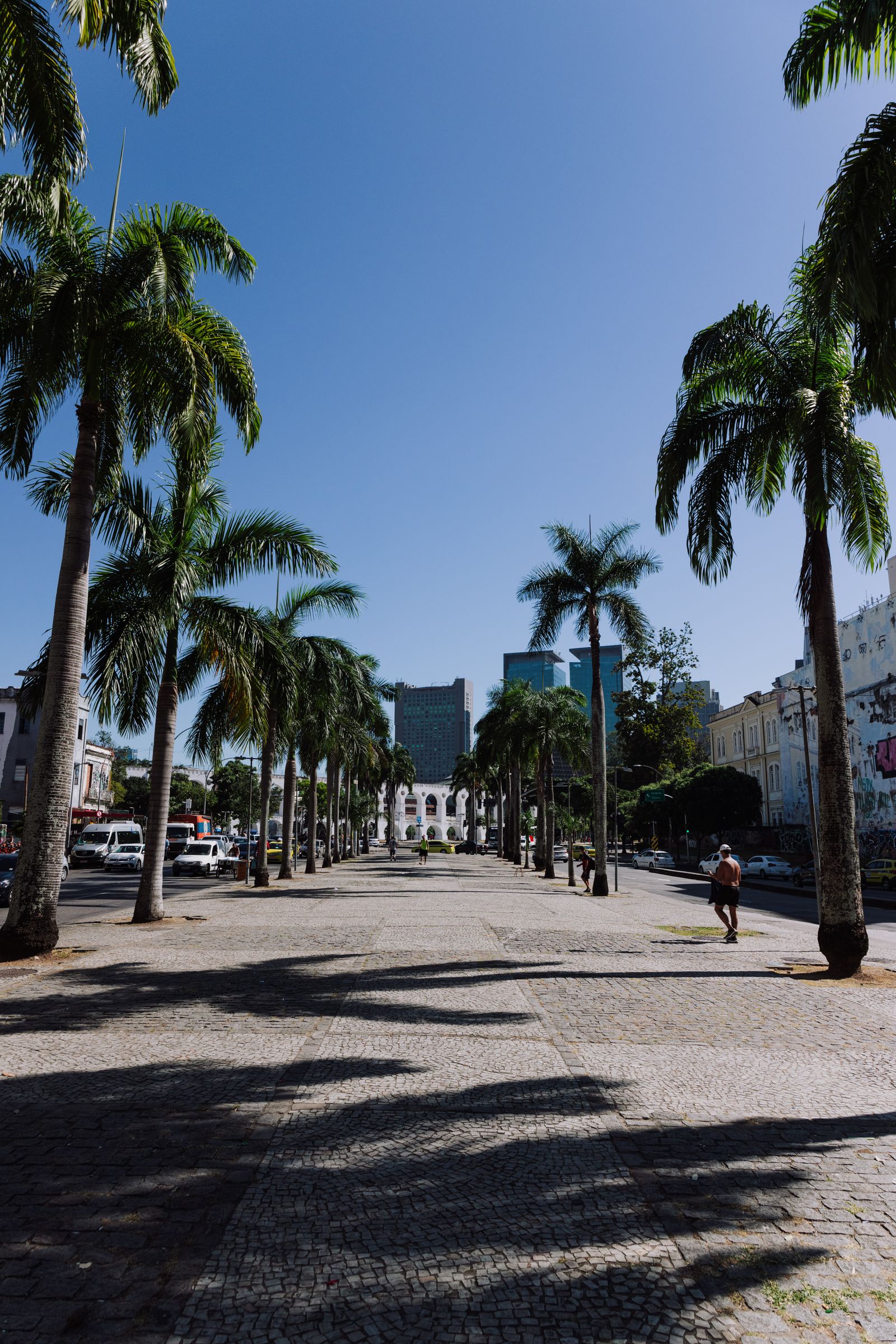
Ade’s street has no trees. The next street has eleven old plane trees. On the camera, the pavement under the trees read 31°C; in the sun on her street it read 40°C. Trees cool twice: their shade stops the ground heating up, and their leaves release water into the air.
Dark surfaces store heat
Black asphalt and dark roofs soak up sunlight all day and give it back all night, which is why her bedroom stays warm until midnight. Light-coloured roofs on two buildings on the same block were 14 degrees cooler on the camera.
Where the air goes
Narrow streets with tall buildings trap warm air. Wider streets and small gaps between buildings let the breeze from the river through.
The cheapest air conditioner a street can have is a tree. It just takes ten years to switch on, said Dr Lena Achterberg, the urban climate researcher who lent us the camera.
The city plans to plant 400 street trees in Eastyard over the next three years. Ade’s street is on the list for next spring.
Sources
- Thermal camera readings filmed on screen
- City street tree planting plan
- Interview with Dr Lena Achterberg