Most electric cars do almost all of their slowing down with the motor. When you lift off the accelerator, the motor turns into a generator, puts energy back into the battery and slows the car. It is efficient and it saves brake pads, but it also means the friction brakes can go weeks without real work.
What happens to idle rotors
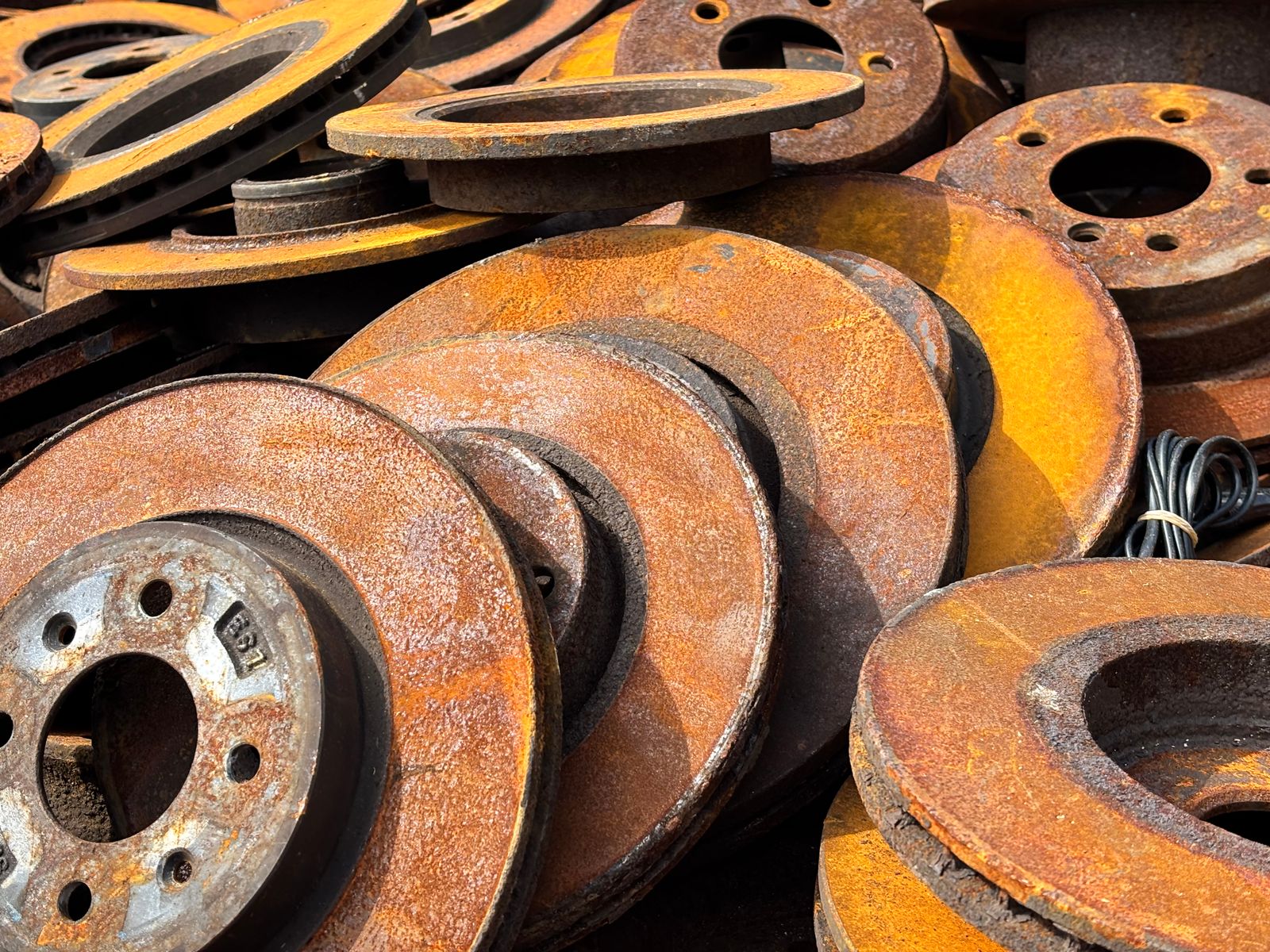
Cast-iron rotors rust on the surface every time they get wet, even in Southern California. On a petrol car, the next few stops scrub that film away. On an EV, the pads barely touch the rotors, so the rust stays and slowly builds into pitting and uneven patches.
Calipers suffer too. Slide pins that rarely move dry out and stick, and a sticking caliper can drag on one wheel or fail to clamp evenly when you finally need a hard stop.
Signs to look for
A grinding or scraping sound in the first few stops of the day, a vibration in the pedal, or rotors that look orange and dull behind the wheel spokes. Some cars also flag a brake warning when the system detects uneven pressure.
Squealing after rain is normal and should clear within a few stops. If it does not, have the brakes checked.
A simple habit that helps
Once a week, on a quiet road, make two or three firm stops from about 40 mph. Some EVs let you lower the regen level for a drive, which uses the friction brakes more. Either way, the pads get a chance to clean the rotors.
Brake fluid still absorbs water over time, whatever kind of car you drive, so change it every two to three years.
What our brake service includes
Our EV brake service starts at $129. We remove the rust layer from the rotors, clean and lubricate the slide pins, check pad wear and fluid, and photograph every wheel. If the rotors are too pitted to clean, you get the measurement and a price for new ones before we fit anything.