Vaccines are the reason many owners first come to see us, and the schedule can feel confusing at first. This guide covers the practical side: how appointments are spaced, what you take home and how we remind you when the next one is due.
A schedule written for your pet
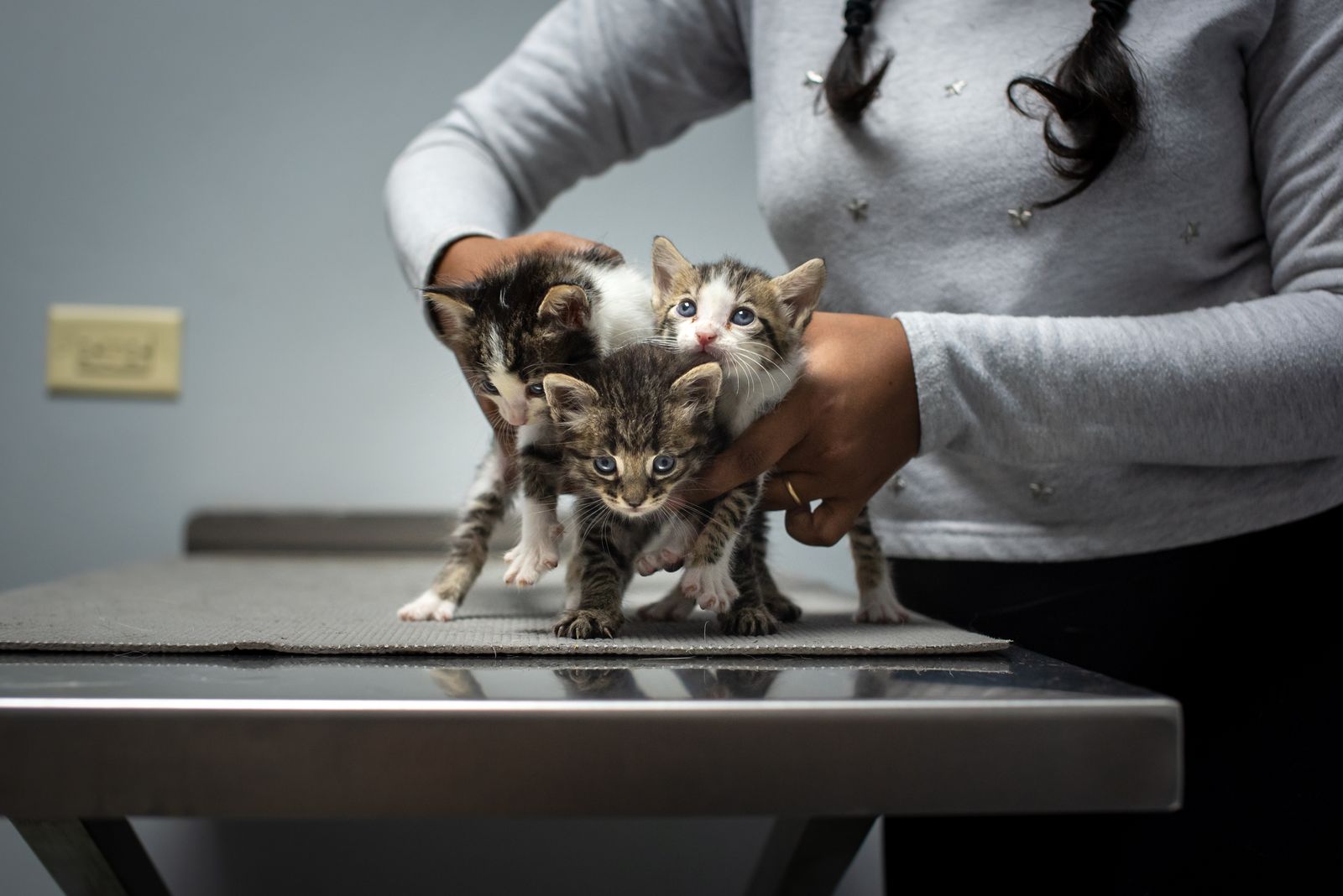
There is no single schedule for every pet. The vet looks at age, species, previous vaccines and lifestyle, such as boarding, dog parks or time outdoors, and writes a plan with dates. Puppies and kittens usually need a short series of visits a few weeks apart.
Bring any vaccine records you have. If a pet arrives with no history at all, we explain the options and the fees before giving anything.
What happens at the appointment
Every vaccine visit starts with an exam, because vaccines are given to pets who are well on the day. If something comes up during the exam, we may suggest waiting a week and rebooking.
The visit takes about 20 minutes. We record the vaccine, batch number and date in your pet’s file.
Certificates and tags
North Carolina requires a current rabies vaccination for dogs, cats and ferrets. You leave with a rabies certificate and a tag, and we can email the full vaccine record to a boarding kennel, groomer or day care if you ask us to.
Reminders
We send a text and an email two weeks before a vaccine is due, and another a few days before. If you move or change number, let us know so reminders keep arriving. Missed one? Call us and we will look at the record together.
This article is general information, not medical advice. Call us to talk about your pet’s situation.