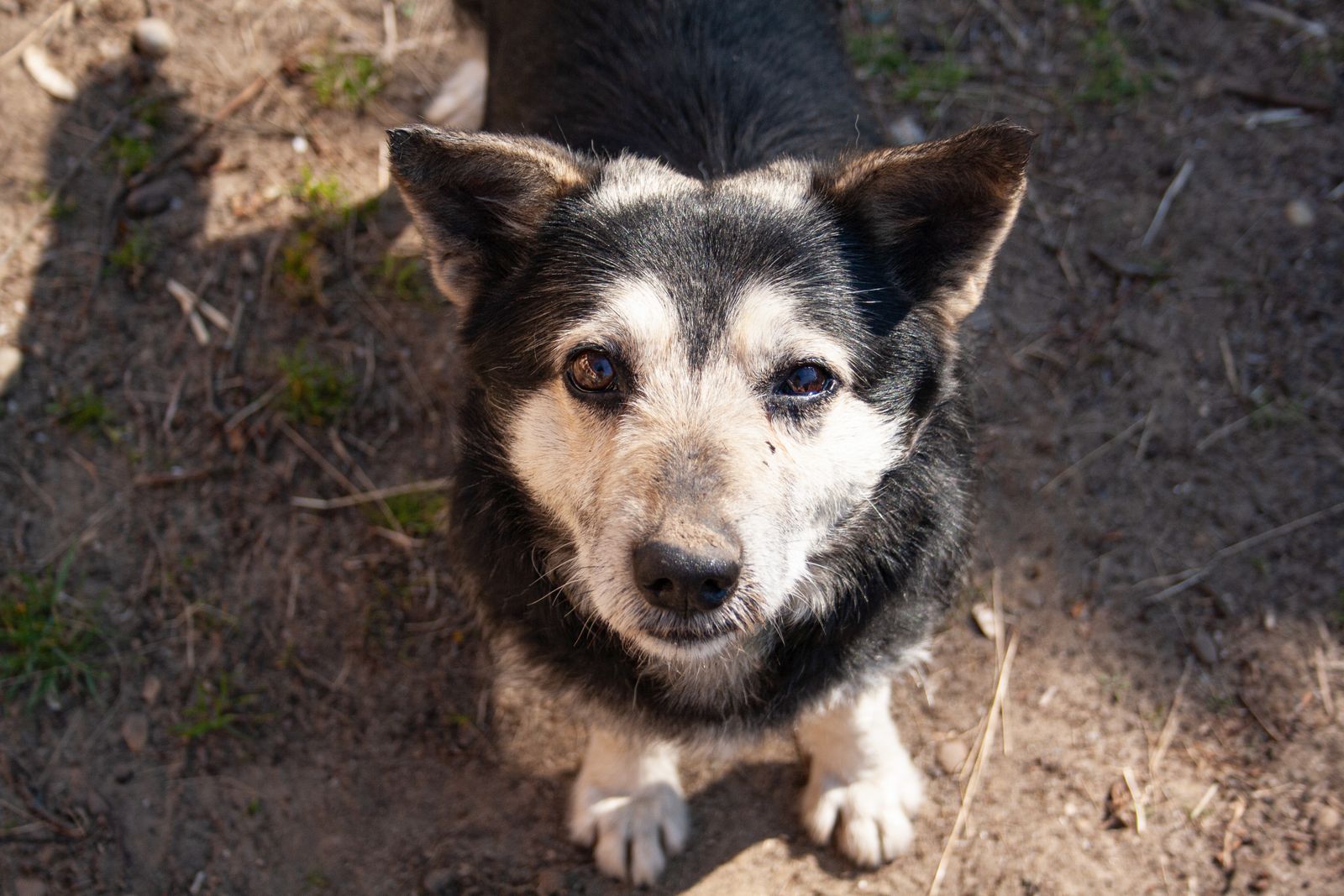
Pets age faster than we do, and many changes happen slowly enough that they are easy to miss at home. That is why we usually offer older dogs and cats a check-up twice a year. Here is what those visits include and how you can help them go well.
When a pet counts as senior
It depends on species and size. Cats and small dogs are often considered senior from around eight to ten years, large breeds a little earlier. The vet will talk with you about timing at a regular wellness exam.
What a senior check-up includes
A senior check-up takes about 45 minutes. As well as the full exam, the vet looks closely at weight, teeth, joints and movement, eyes and skin. We measure blood pressure and often suggest blood and urine tests, so there is a record to compare from one visit to the next.
You get a written summary, and any tests come with an estimate first.
Notes from home help a lot
You see your pet every day, so your notes matter. Before the visit, jot down anything that has changed: drinking or eating, sleep, toilet habits, stairs or jumping, weight, coat or mood. A short phone video of something unusual, like a cough or a stiff walk, is very useful.
Making visits easier
Older pets may find the car and the exam table harder. Ask for a ground-floor mat, a quieter time of day or a longer slot when you book. Our senior wellness plan covers two check-ups and the usual tests for one monthly amount.
This article is general information, not medical advice. Call us to talk about your pet’s situation.