Central Oregon surprises a lot of first-time campers. The camp sits at about 4,000 feet in dry high-desert air, and dry air loses its heat fast once the sun goes down. A summer afternoon in the eighties can become a night in the forties, and in May or October the grass can be white with frost at sunrise.
Sleep warm
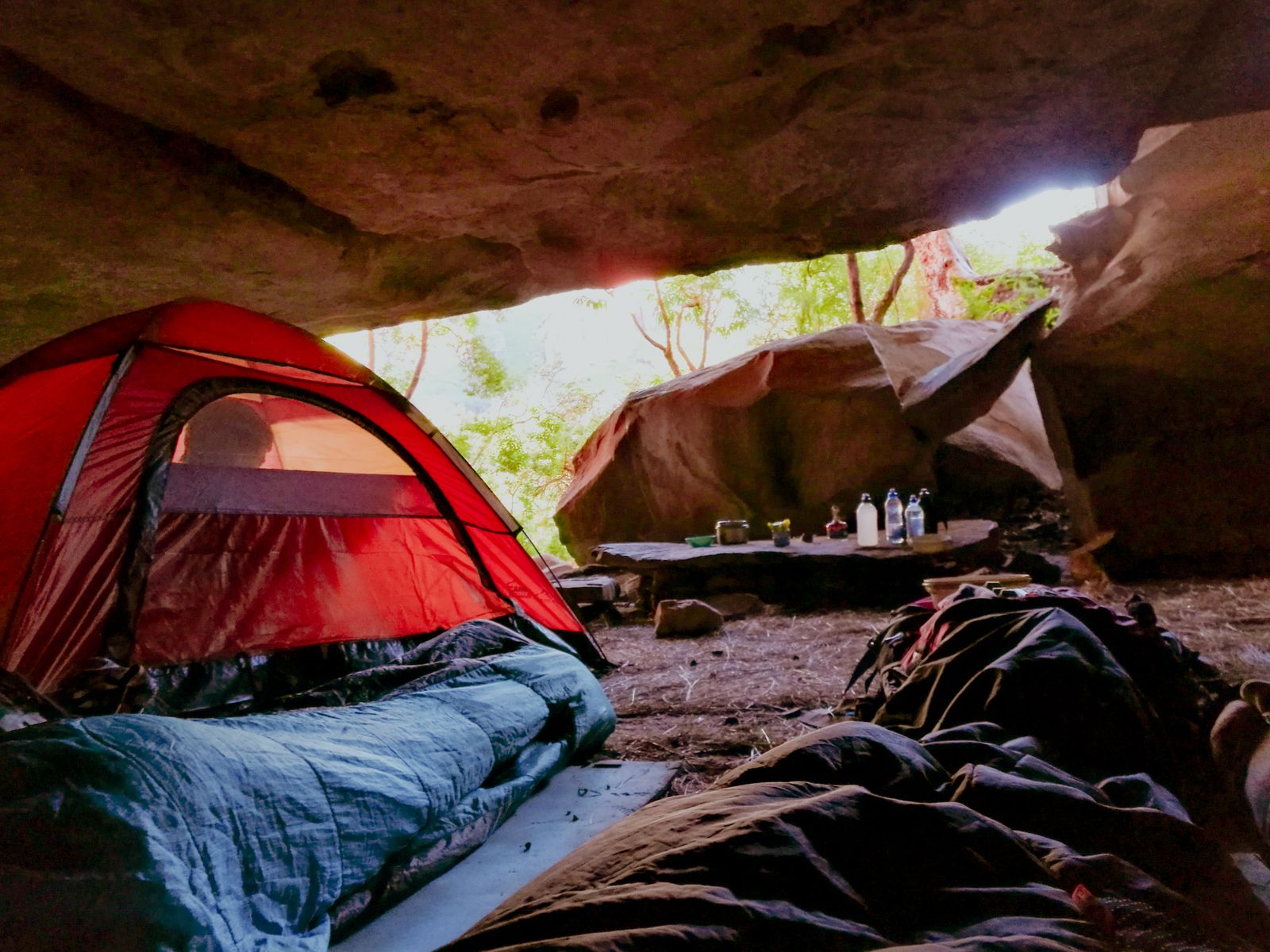
The single biggest difference is what goes under you, not over you. A foam pad or an insulated air mattress keeps the cold ground from taking your body heat. A sleeping bag rated to about 30 degrees covers most of our season.
Wear a dry hat and dry socks to bed. Clothes you wore all day hold a little sweat, and that sweat makes you cold at three in the morning.
Dress in layers
Pack a warm fleece or a light down jacket even in July. Evenings around the fire start pleasant and turn chilly within an hour of sunset.
A rain shell is worth bringing too. Summer storms are rare here, but they do happen, usually as a short afternoon thunderstorm.
Mind the sun
At this altitude the sun burns faster than people expect. Bring a hat, sunglasses and sun cream, and drink more water than you think you need. The dry air takes moisture from you without you noticing.
If you forget something
The camp store sells firewood, ice, propane canisters, wool socks and the hats Dana orders every spring. If your sleeping bag turns out too thin, ask at the office: we keep a few spare blankets to lend. Safari tents and cabins come with heaters or stoves and warm bedding, so glampers can skip most of this list.