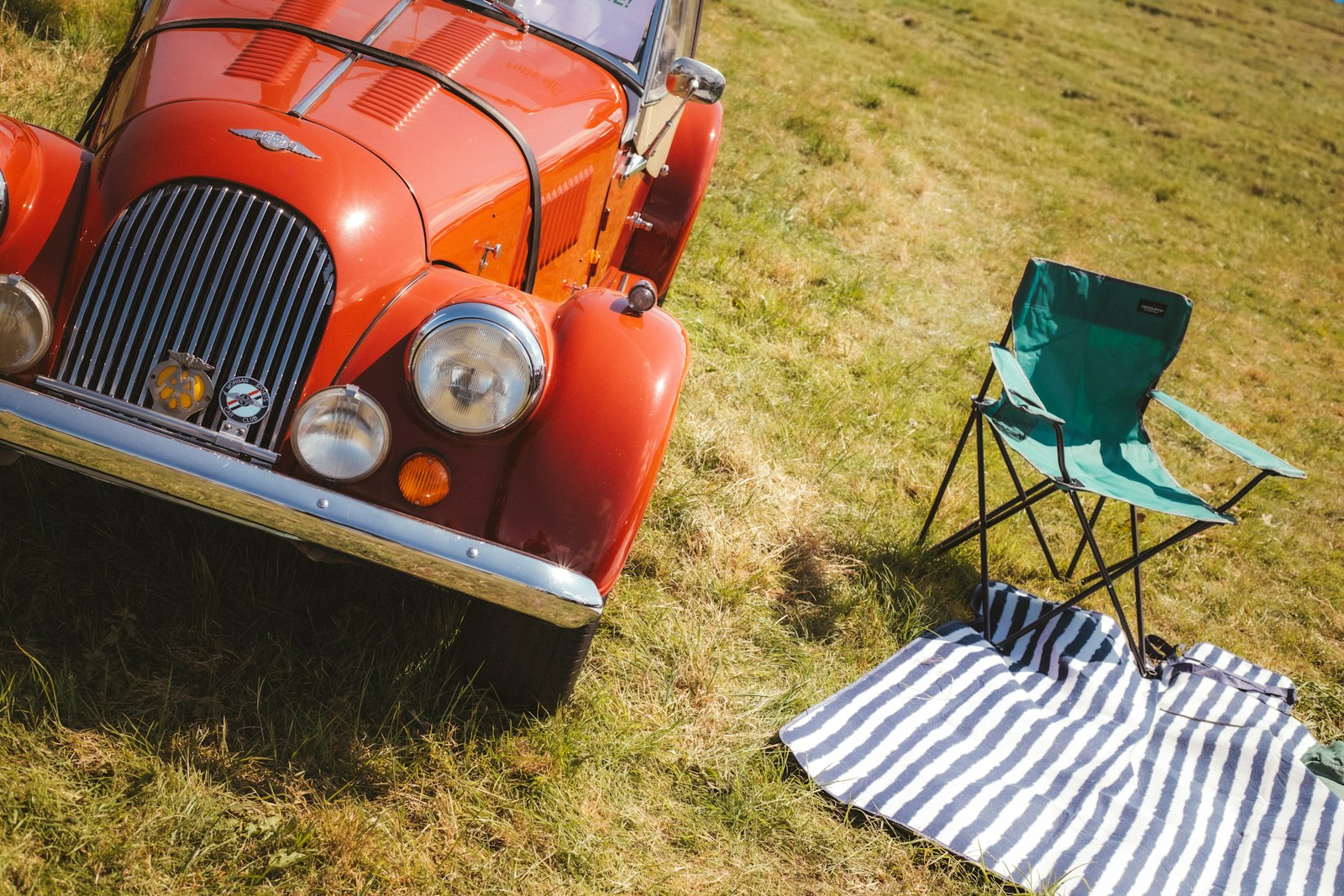
A concours is part car show and part inspection. Your car is parked on the grass, judges walk round with a scoring sheet, and points are taken off for anything that is incorrect, dirty or not working.
Know your class
Read the entry rules early. Some classes judge strict originality, others allow period-correct modifications. A car with a later engine or modern radial tires may be welcome in one class and lose points in another.
Most shows ask for photos with the entry, and some will only accept cars they have seen.
Six weeks out
Start with function: lights, horn, wipers, gauges and the clock all need to work, because judges will try them. Then correctness: hose clamps, battery, fasteners and finishes should match what the factory used.
Detail the places owners forget, such as the door jambs, the underside of the hood and the inside of the wheels. Judges carry flashlights and mirrors.
On the day
Arrive early and give the car a final wipe once it is parked. Keep a small kit with microfibre cloths, a quick detailer and a tire brush. Be by the car when the judges come; they will ask about its history and they enjoy a good story.
Bring the documents too: the build sheet, old photos, receipts and any letters from previous owners. A folder of history will not win points on its own, but it answers questions and shows the judges how carefully the car has been kept.
Do not be discouraged by the score sheet. Most first-time entrants lose points for small things, and the judges usually explain them. Treat the first show as a list of jobs for the next season.
Our concours preparation
We prepare cars against the judging sheet for their class, correct the finishes and fasteners, and trailer the car to the show field in our enclosed trailer. A typical preparation takes one to three weeks.