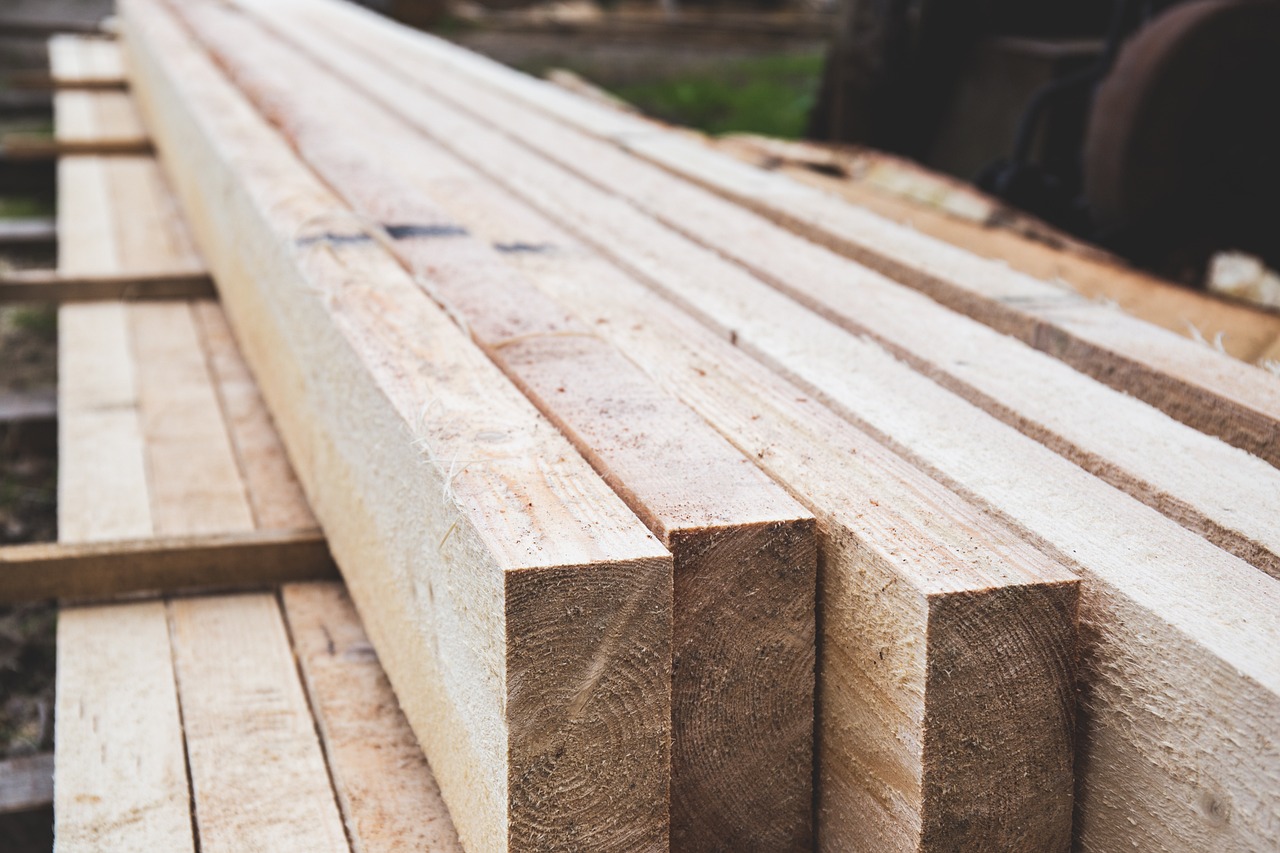
Wood is never finished moving. It takes on moisture when the air is humid and gives it back when the air is dry, and a board three and a quarter inches wide can change width by a sixteenth of an inch between August and January.
What acclimation means
Acclimation means letting the boards reach a moisture level close to the subfloor and the room they will live in. If boards straight from a cold warehouse are nailed into a humid house, they swell and cup. If damp boards go into a dry house, they shrink and leave gaps.
How we check
At the measure visit we take readings of the subfloor with a pin meter, and when the wood is delivered we read the boards too. Most solid hardwood is within range after three to five days in the house with the air conditioning or heating running normally.
Engineered hardwood is far more stable and often needs only a day or two. Vinyl plank and tile do not need to acclimate for moisture, though vinyl should sit at room temperature for a day.
Keeping it steady afterwards
A floor stays flatter if the house stays between about 35 and 55 percent relative humidity all year. In a Nashville summer that usually means running the air conditioning even on mild days, and in winter a humidifier helps if you see gaps opening.
Small seasonal gaps in winter are normal in solid wood. They close again when the humidity comes back in spring.
Wider boards move more than narrow ones, so if you love five-inch planks or wider, engineered hardwood is usually the safer choice on a Nashville slab or over a crawl space. We explain the options at the measure visit, with the moisture readings in hand.