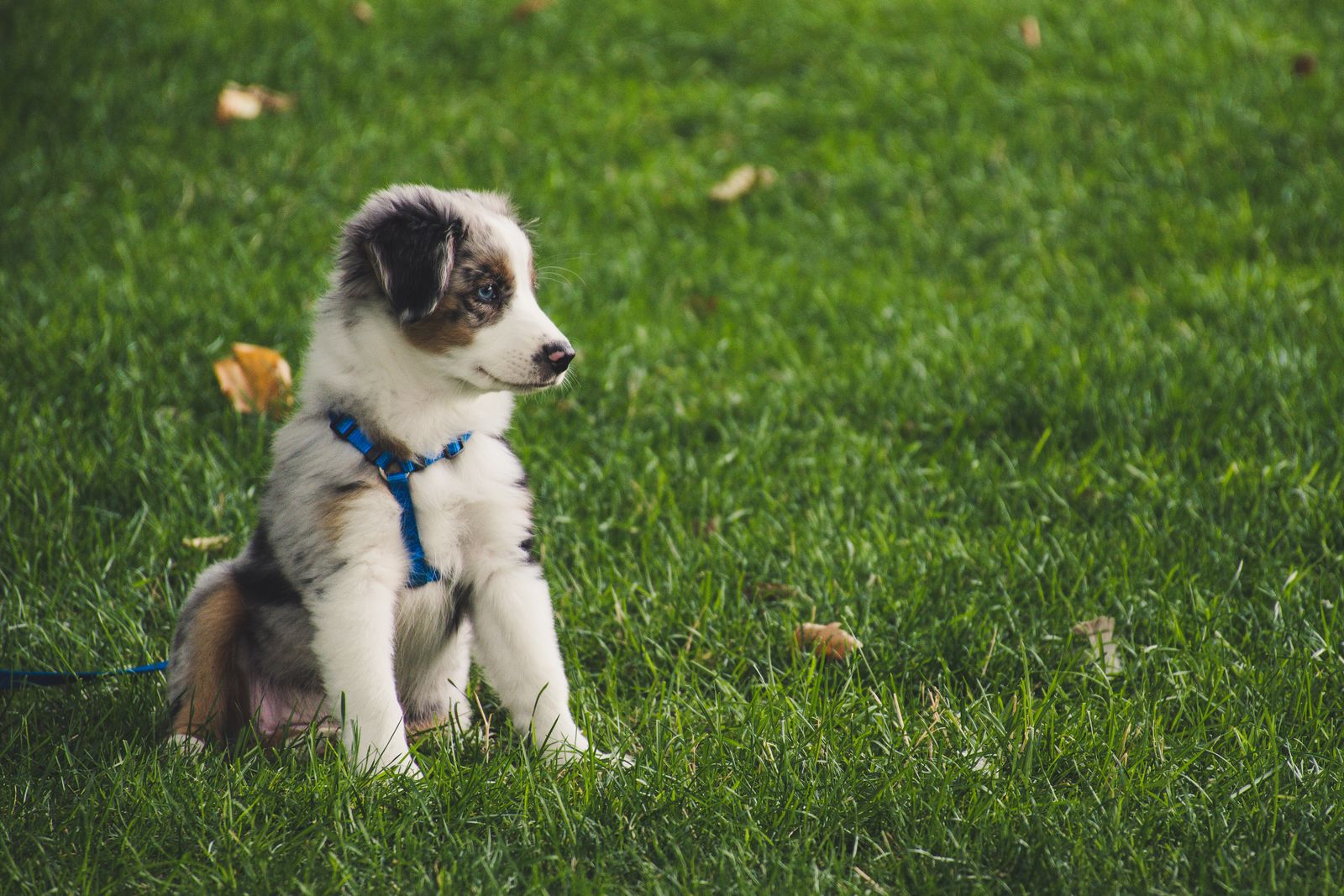
Many new owners wait until their puppy is six months old before thinking about training. By then, the puppy has already learned plenty, just not always what you hoped. The weeks between eight and twenty are when puppies are most open to new people, sounds and places, so a well-run class can help a lot.
What a puppy class covers
A good puppy class is less about formal commands and more about life skills. Expect name games, gentle handling of paws and ears, settling on a mat, short walks on a lead and calm greetings with people.
Play with other puppies happens in short, supervised rounds, matched by size and confidence. A shy puppy should never be overwhelmed by a bolder one, and the trainer should step in early.
Vaccinations and safety
Most schools, including ours, ask for proof that your puppy has had at least the first round of vaccinations before the first session. Classes are held indoors on floors that are cleaned before every class, and adult dogs are not in the room.
Your vet can tell you which vaccines your puppy needs and when it is reasonable to start mixing with other puppies.
What you can do this week
Start with three short sessions a day of one to two minutes each. Say your puppy’s name, reward the moment they look at you, and stop while they still want more. Hand-feed part of a meal to build the habit of working for food.
Introduce new things slowly: a hat, an umbrella, the vacuum cleaner from across the room. Pair each one with something good.
Booking a place
Puppy classes fill up, so it helps to enquire as soon as your puppy comes home. You can join the waiting list before the vaccinations are complete and we will hold a place for the next course. Ask your vet about your pet’s health.