A large share of the houses we inspect in Greenville, Taylors and Greer sit on a crawlspace rather than a slab. It is the least pleasant part of the job and one of the most useful, because problems that start under the floor rarely announce themselves upstairs until they are bigger.
Moisture first
Upstate soil holds water, and summer air is humid. We look at the vapor barrier on the ground, check whether it covers the soil and is sealed at the seams, and note standing water, damp soil or water lines on the piers.
Downspouts that drain against the foundation and grading that slopes toward the house are the most common causes we see, and both are usually simple to correct.
Wood and supports
We look at the floor joists, the sill plates and the piers that can be seen from the access path. Dark staining, soft wood or shims that have slipped are all noted with photos and a location.
We do not drill or probe wood in a way that damages it, so a finding may say that a specialist should take a closer look.
Ducts, pipes and insulation
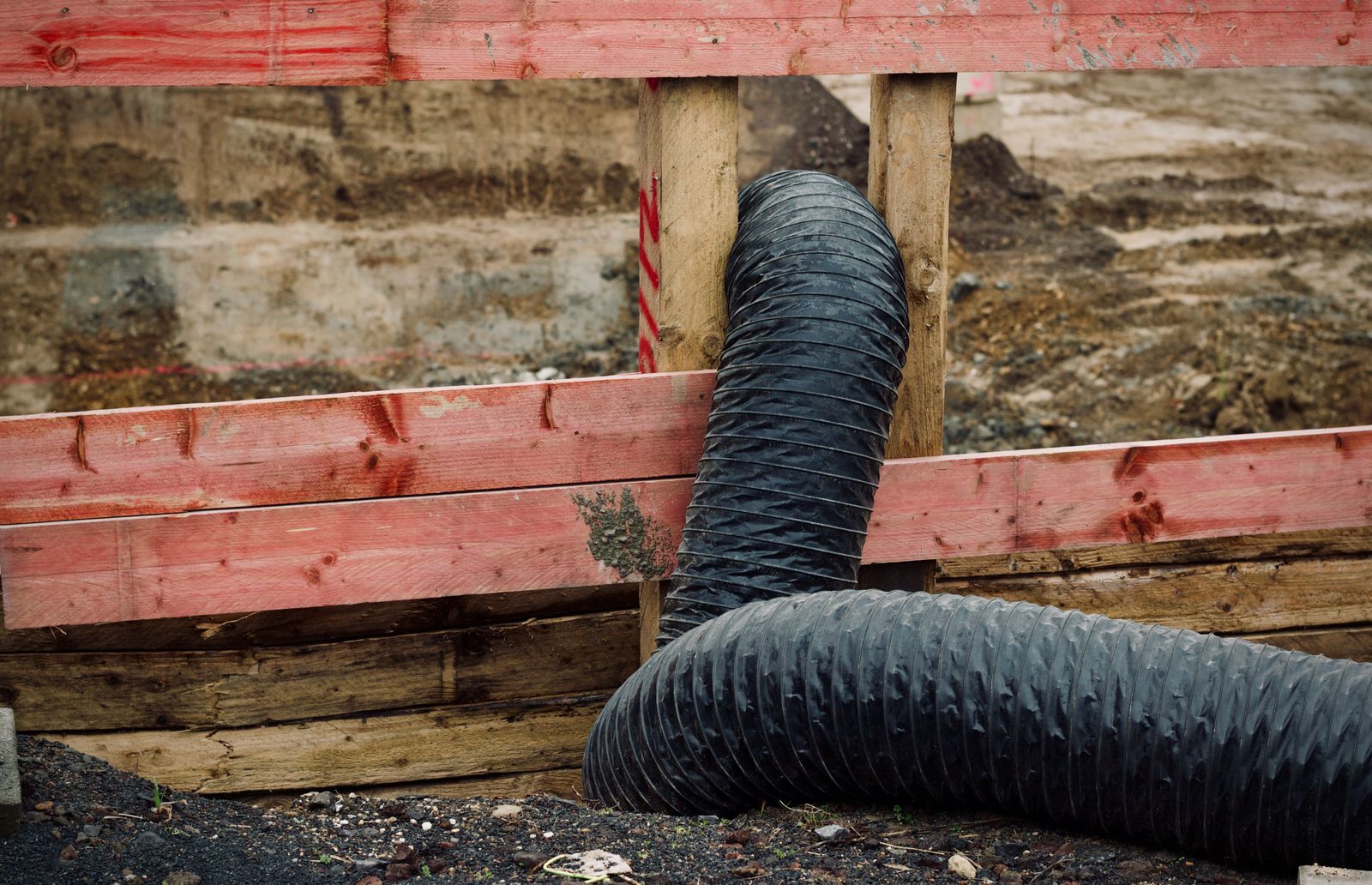
In many homes the heating and cooling ducts run through the crawlspace. Loose or crushed ducts waste energy, and sweating ducts add moisture. We also look at supply and drain pipes and at any insulation between the joists.
When we cannot get in
Sometimes an access hatch is blocked or a section is too low to enter safely. When that happens the report says so plainly, with a photo of what blocked us, so you know which parts were not seen.
If you are buying the house, ask your agent whether the seller can clear the access before the visit. A short return trip to finish the crawlspace is cheaper than guessing about what is down there.