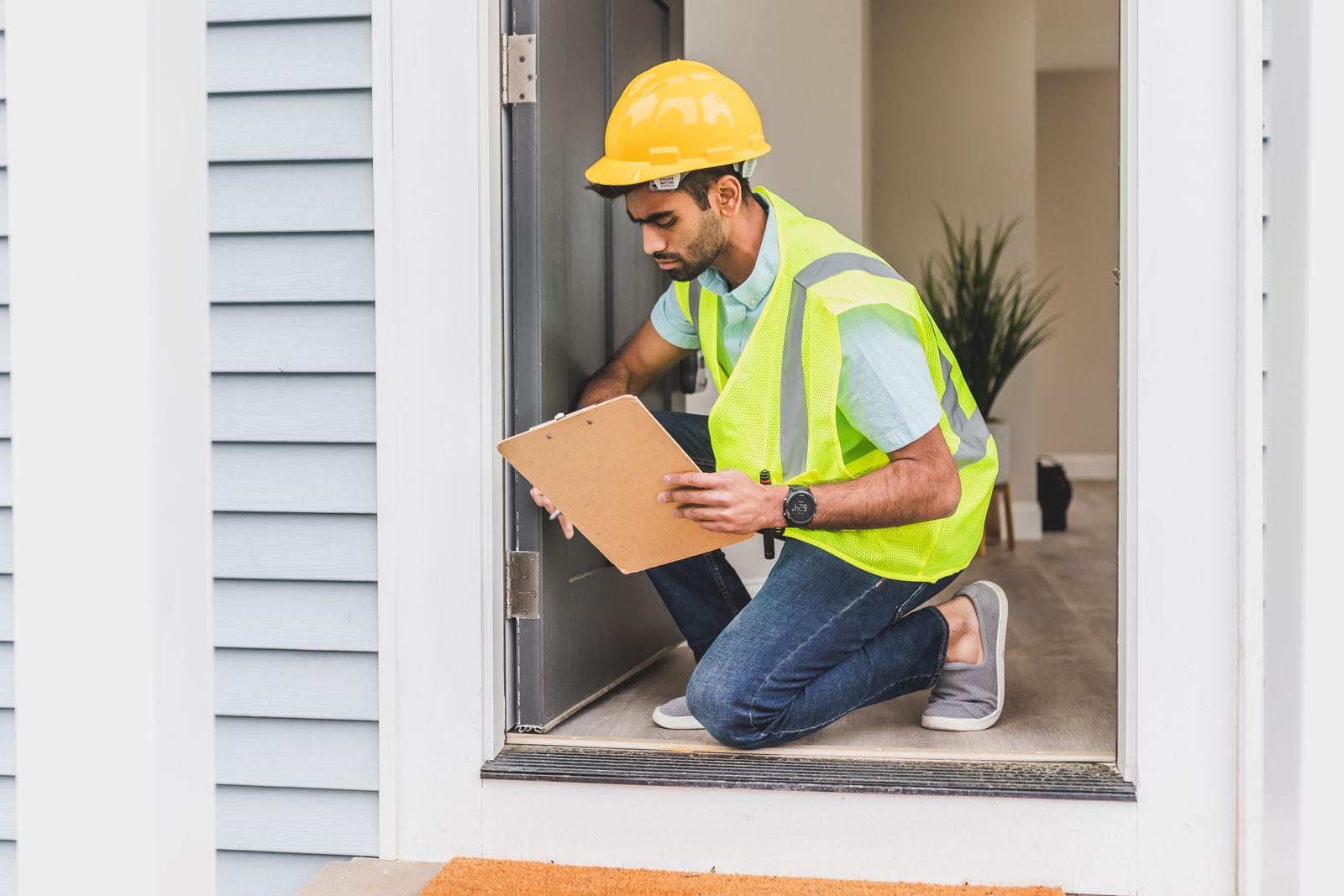
Most buyers book a home inspection because their agent tells them to, and many are not sure what they will get. The short answer: a trained person spends three to four hours looking at the parts of the house that can be seen and safely reached, and writes down what they find. It is a snapshot of one day, not a guarantee of the future.
What we look at
A standard inspection covers ten systems: the roof, the exterior and grading, what can be seen of the structure, the crawlspace or basement, electrical, plumbing, heating and cooling, the attic, the interior and the built-in appliances.
We walk the roof when it is safe to do so, open the electrical panel, run the water at every fixture, operate the heating and cooling, and go into the attic and the crawlspace. Each finding gets a photo, a location and a plain next step.
What we do not do
We do not open walls, lift carpets, move furniture or stored boxes, or dismantle equipment. We cannot see inside pipes without a sewer scope, and we cannot test for radon, mould or asbestos without a separate test.
We also do not certify a house to the building code, estimate repair costs or tell you whether to buy. Those decisions are yours, with your agent and the contractors you trust.
Why the limits matter
A finding marked Monitor today may become a Repair in two years, and a dry crawlspace in a dry week may be damp after a wet month. Reading the report with those limits in mind helps you ask the right questions before closing.
If something in the report is not clear, call us. Explaining what we saw is part of the fee, whether the call comes the next morning or three months after you move in.