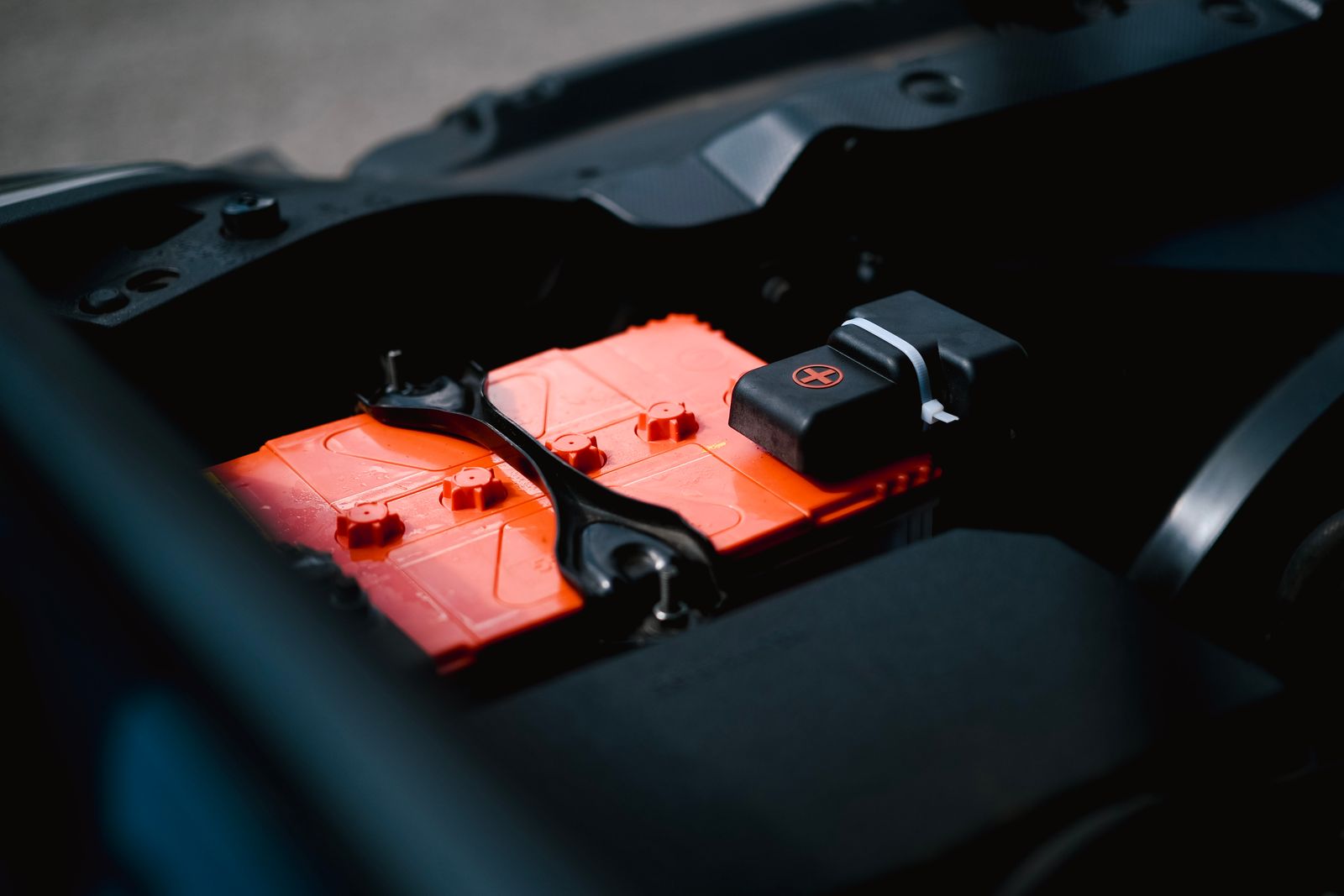
In colder states, batteries fail on the first frosty morning. In Phoenix, the first jump-start rush comes in June and the second in September. Heat does the damage all summer; the first cool morning simply exposes it.
What heat does to a battery
A car battery is a box of lead plates and acid. Under the hood on a 110-degree afternoon, that box can reach 140 degrees, which speeds up corrosion inside and makes the fluid evaporate.
The result is a battery that still starts the car on a hot day but has lost much of its reserve. When the engine needs a little more effort, the battery simply gives up.
How long a battery lasts here
Nationally, batteries are often quoted at four to six years. In the Valley, three years is more realistic, and some last barely two. If yours is over three years old, have it load-tested before summer.
The warning signs
A slow, lazy crank on start-up is the clearest sign. Others include headlights that dim at idle, a battery light that flickers, a swollen case, or white and green crust on the terminals.
What our drivers do on a jump call
We jump the car with a professional booster, then test the battery and the charging system on the spot. If the battery is finished, we can fit a new one at the roadside, so you do not need a second jump tomorrow morning.
A jump start is $75 inside our service area, and the battery test is included.
A few habits help a battery survive the summer. Park in shade or a garage when you can, use a windshield sun shade, and keep the terminals clean. Short trips are hard on a battery in any climate, so a longer drive once a week gives it a chance to recharge fully. If the car sits for weeks while you travel, a small trickle charger is a cheap insurance policy.