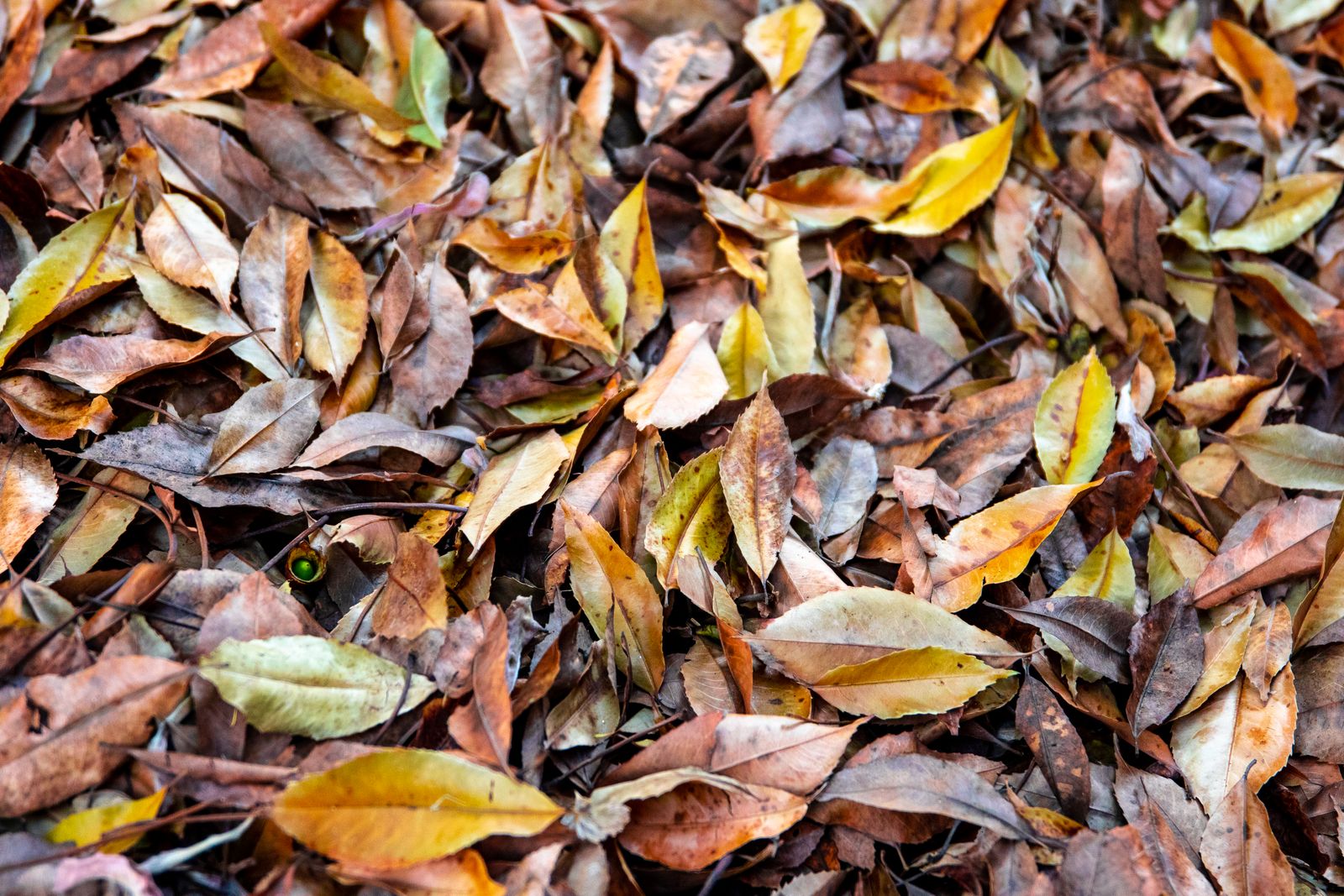
Every November our plot stewards walk the gardens and see two kinds of plots: bare soil that will crust and wash away in the spring rains, and beds tucked under leaves that will be soft and full of worms in April. The difference is about an hour of work.
Clear what is finished
Pull up tomato, squash and bean plants once frost has finished them. Put healthy plants in the compost bins. Anything with blight, mildew or rust goes in the bags by the shed gate, not in the compost, so the disease does not come back next summer.
Leave the roots of beans and peas in the ground: they break down slowly and feed the soil. Cut the stems at soil level instead of pulling them.
Cover the soil
Bare soil loses its structure over winter. Spread shredded leaves, straw or a layer of compost over every empty bed, two to four inches thick. If you planted a cover crop such as winter rye in September, leave it growing; it holds the soil for you and you turn it under in April.
Kale, leeks, parsnips and carrots can stay in the ground well into December. A little mulch around them keeps the soil soft enough to dig.
Look after the shared things
Bring back any tools you borrowed from the shed, coil your hose and leave it by the tap. The water lines at every garden are drained in the first week of November, so the taps will be off after that.
Plot holders who would like to keep their plot next year can renew from January 5. If you are not coming back, tell the shed by the end of the year so the next neighbor on the waiting list can start in spring.
Write it down
Before you forget, sketch your plot on a page: what grew where and what did well. Rotating crop families each year is the simplest way to keep pests and diseases down, and your notes from November make the March plan easy.