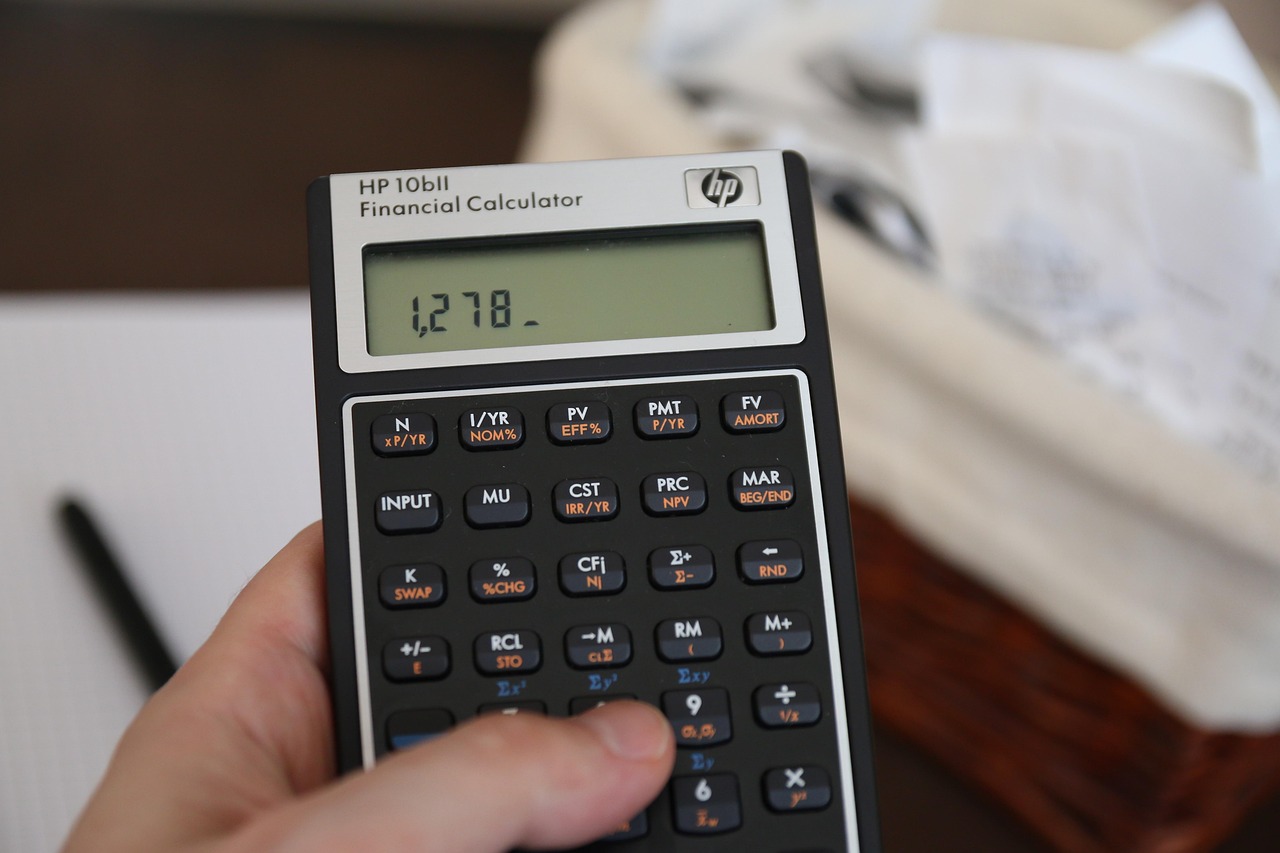
The most common question at a first visit is how many panels a house needs. The honest answer is that it depends less on the size of the house than on how you use electricity, and the best record of that is already in your inbox: your last twelve months of bills.
Start with a full year of use
One summer bill tells us very little. Albuquerque homes with refrigerated air use far more in July than in April, and homes with gas heat use less in winter than all-electric homes. We add up the kilowatt-hours for twelve months and look at the shape of the year, not just the total.
If you moved in recently, we estimate from the size of the house, the cooling system and the appliances, and we say clearly that it is an estimate.
Then look at the roof
A south-facing roof without shade produces the most per panel, but east and west roofs work well too and often match afternoon cooling loads. We measure the usable area after setbacks from the edges and ridge, which the fire code requires, and we check shade from trees, chimneys and neighbouring buildings through the whole year.
Sometimes the roof is the limit. If your use calls for 9 kW and the roof fits 6 kW, we tell you, and we show what 6 kW covers.
Plan for the next five years
An electric car adds roughly 3,000 to 4,000 kWh a year for a typical commute. A heat pump, a pool pump or a new home office changes the picture too. Tell us what is likely, and we design for it, or leave room on the roof and in the electrical panel to add panels later.
What you get from us
You receive a written design with the number of panels, their layout, the expected yearly production from modelling software, and the assumptions behind it. We do not put a savings figure on the page, because rates, rules and your own use will change. We do show how the production compares with your past use, month by month, so you can judge for yourself.