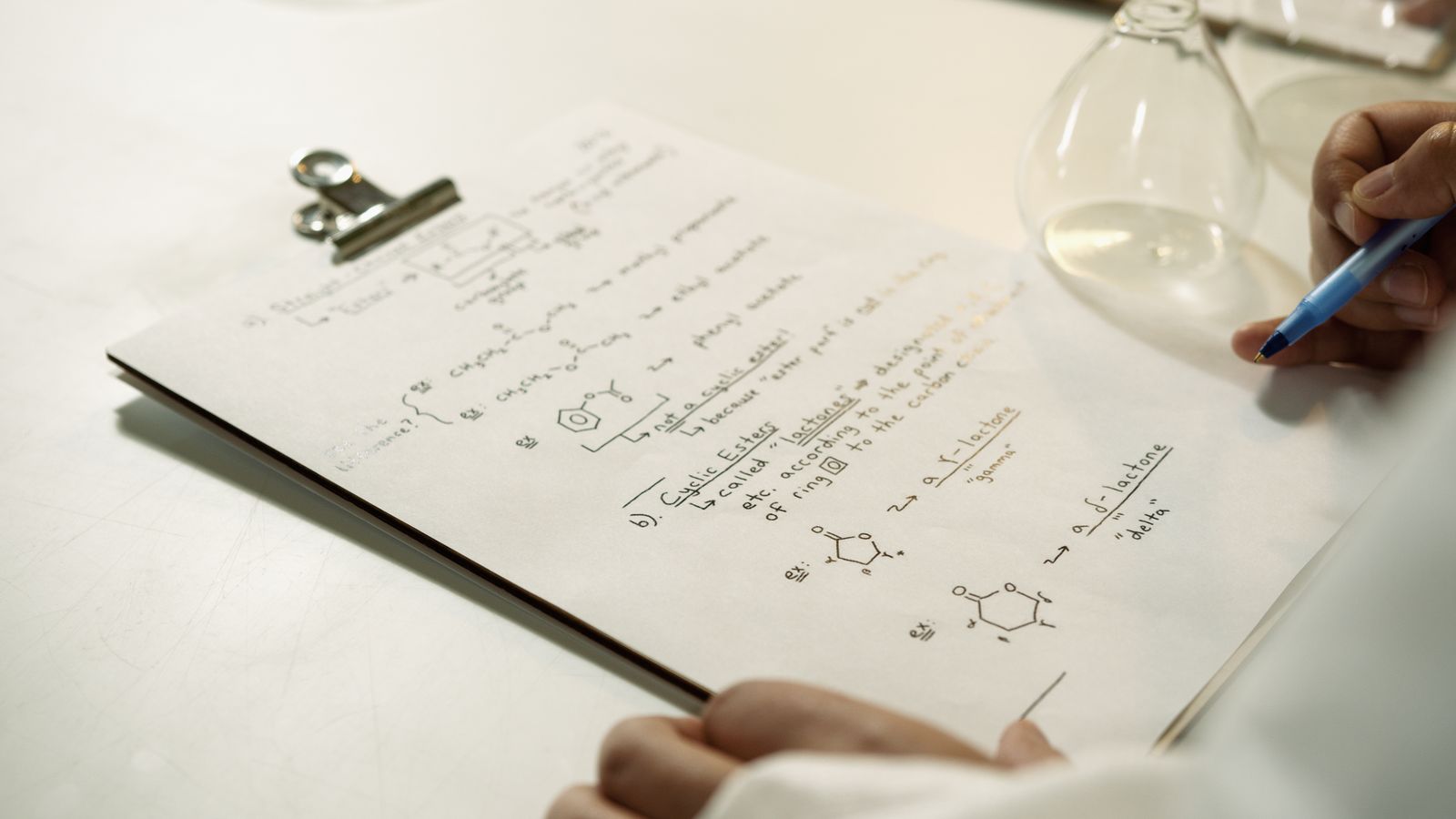
Every six weeks, each student at Fernwood gets a written progress note. Parents often tell us it is the most useful page they receive all term, and also that it takes a minute to understand the first time. Here is what each part means and how to use it at home.
What we worked on
The first part lists the two or three skills the tutor focused on since the last note, in plain language: for example, adding fractions with different denominators, or using evidence from the text in a paragraph.
It is linked to the plan we agreed after the free assessment, so you can see whether lessons are staying on track or have moved to something more urgent.
What is going well
Next comes a short description of what your child can now do with confidence, with an example from a real lesson. We describe the work rather than giving a grade, because a grade says little about what to practise next.
Keep the notes together in a folder. Read side by side over a school year, they show how much ground has been covered, which is easy to forget on a hard homework night.
What comes next
The tutor names one or two next steps and a simple way to practise at home, usually ten minutes a few times a week. If a step does not fit your family’s week, tell us and we will suggest another.
Talking about it together
Read the note with your child and start with the part about what is going well. Ask which lesson they enjoyed most and what still feels tricky.
If you would like to talk it through, book a free fifteen-minute call with the tutor at the front desk or by phone. We never promise particular grades, but we always tell you honestly how lessons are going.