Science at school is full of words like hypothesis, variable and fair test. They make far more sense once a child has run an experiment of their own. These three take less than an hour, use things most kitchens already have and suit children from about Grade 2 to Grade 6, with an adult nearby.
Which paper towel is strongest?
Cut equal strips of three different paper towels, wet each one with the same amount of water and hang a small bag from it. Add coins one at a time until the strip tears.
Ask your child what has to stay the same for the test to be fair: the size of the strip, the amount of water and the way the coins go in. That is the idea of a controlled variable, learned without the vocabulary.
Dancing raisins
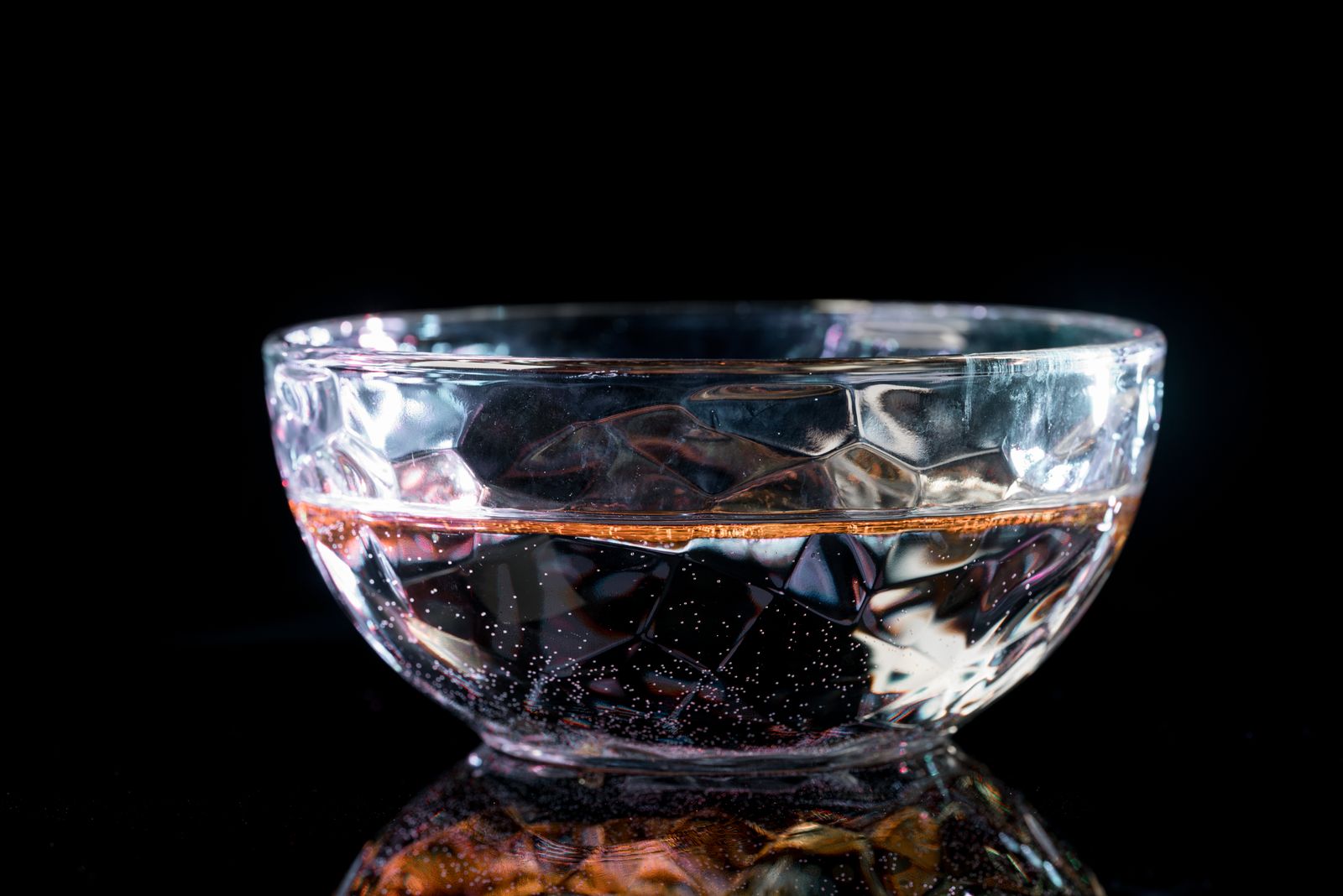
Drop a few raisins into a clear glass of sparkling water and watch. Bubbles of carbon dioxide cling to the wrinkled skin, lift the raisin to the surface, pop and let it sink again.
Set up a glass of plain water next to it and talk about why nothing happens there. Then try a smooth grape and compare.
Which ice melts fastest?
Put three ice cubes on three plates. Sprinkle one with salt, one with sugar and leave the third alone. Check every five minutes and write the result in a small table. Older children can turn the table into a simple bar chart, which brings maths into the experiment too.
Keep a lab notebook
Give each experiment its own page with four headings: the question, a guess before you start, what happened and one new question it raises.
Our science tutors use the same four headings in lessons at the centre, so children who practise at home feel at ease in their first class.