A viewer asked a simple question: does anything in my blue bin really get recycled? To find out, we followed one bin from a kitchen in Northbank on a Tuesday morning to the sorting plant at the edge of the city, then to where each material is sold.
In this video
- 00:00 Tuesday, 7 a.m. collection
- 00:35 At the sorting plant
- 01:20 Magnets, air and cameras
- 02:10 The bits that cannot be saved
- 02:45 Three things you can do
Filmed with the permission of the plant operator.
The sorting plant
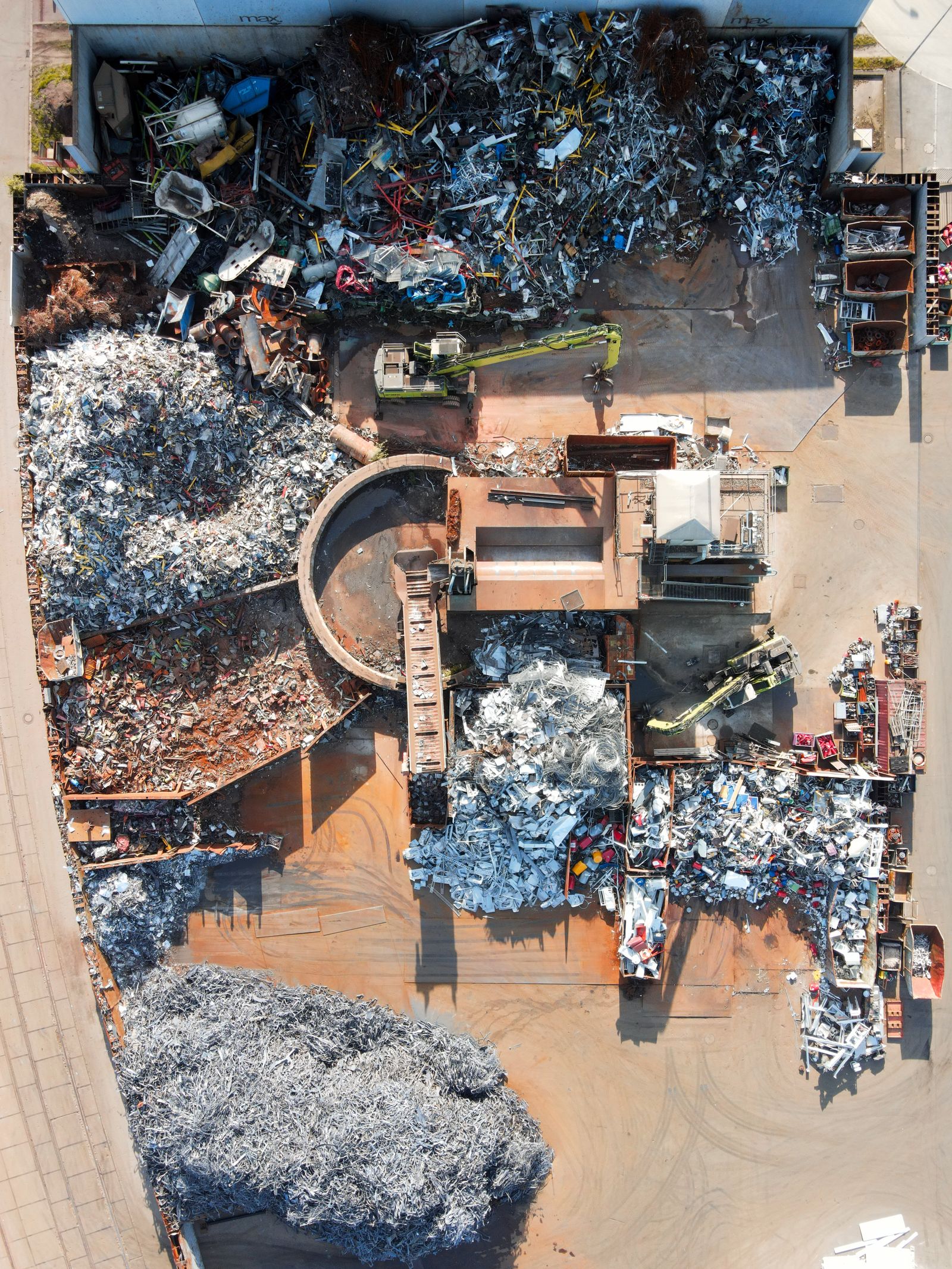
The plant handles about 300 tonnes a day. Magnets pull out steel cans, a spinning current pushes aluminium off the belt, and cameras with air jets pick out plastic bottles by type. People on the line take out what the machines miss.
What happens next
According to the plant’s figures for last year, 81 percent of what arrived was sold to be recycled. Paper and card go to a mill two hours away. Cans and glass are sold within the region. Clear plastic bottles are made into new bottles.
What does not make it
The plant also pulls out things that should never be in a blue bin at all. On the morning we filmed, the line caught a garden hose, two phone batteries and a pair of boots. Batteries are the most dangerous: when crushed they can start fires, and the plant had three small fires last year because of them.
The other 19 percent is mostly food-soaked card, plastic bags that wrap around the machines, and items that are not recyclable at all. One greasy pizza box can spoil a whole bale of clean card.
We can sort almost anything that arrives clean and loose. Bags and food are what beat us, said plant supervisor Oyelaran Bassey.
Three things help most: rinse containers quickly, keep plastic bags out of the bin, and put card in flat. The full list of what the city collects is on the waste office’s site.
Sources
- Sorting plant figures for last year
- Waste office collection guide
- Interview with the plant supervisor